 Seattle
 Storm Damage Roof Repair for Capitol Hill Homes
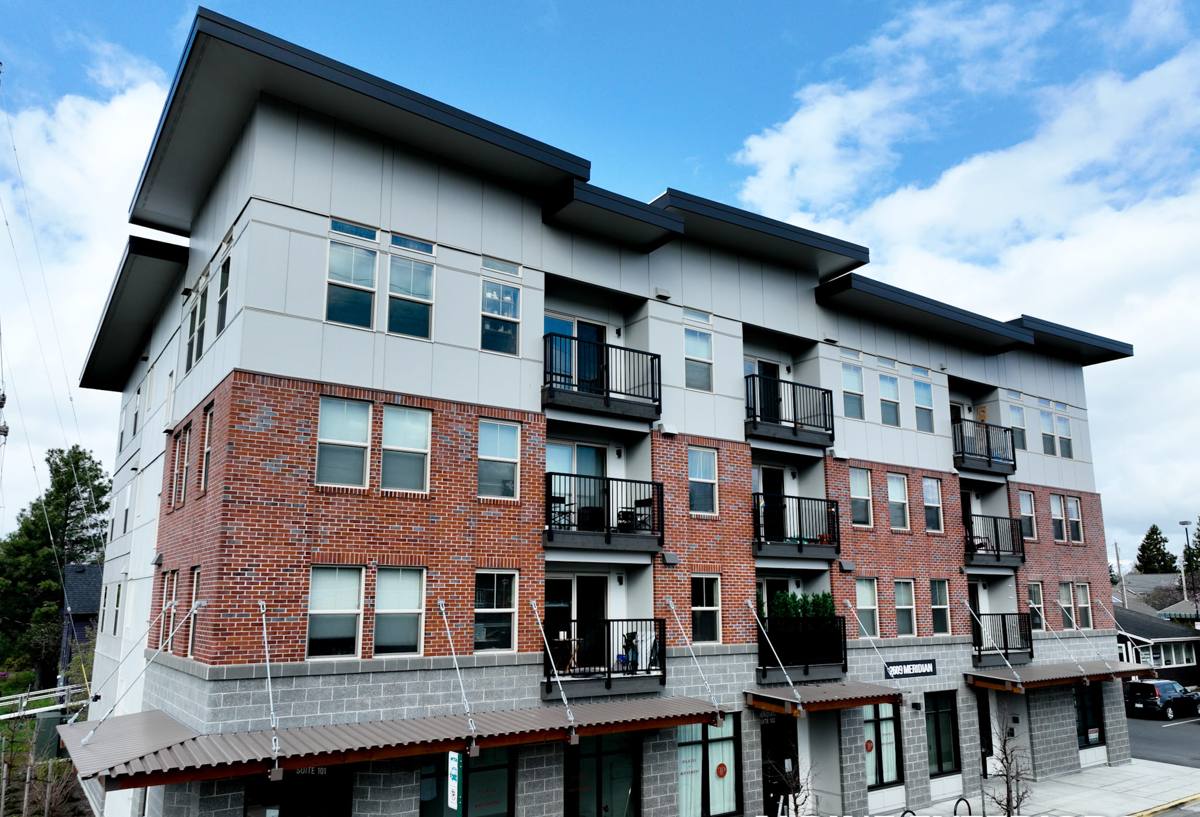
Capitol Hill's mix of century-old craftsman bungalows, converted multi-unit buildings, and newer infill construction means no two roofs on the hill are dealing with storm exposure the same way. What they have in common is Seattle's weather pattern: long stretches of steady, wind-driven rain, short but intense storm systems that roll in off the Sound, and a wet season that can stretch from October well into spring. When a storm damages a roof here, the fix needs to account for the specific roof, the specific slope, and the specific way water moves across it — not a generic patch job.
We work storm damage calls throughout Seattle and King County, and Capitol Hill's density and older housing stock mean we see a fairly consistent set of problems after a hard blow. This page covers what storm damage actually looks like on a Capitol Hill roof, what a correct repair involves, and how our process works from first call to finished repair.
What Counts as Storm Damage (and What Doesn't)
Not every roof problem that shows up after a storm was caused by that storm. Part of an honest inspection is telling the difference, because it affects both the repair plan and, often, an insurance claim.
- Storm-caused damage: shingles or panels lifted, cracked, or torn loose by wind; flashing bent or pulled away at valleys, chimneys, and vents; punctures from wind-blown branches or debris; gutters and downspouts torn loose or crushed.
- Storm-revealed damage: a roof section that was already weakened by age, moss, or a prior poor repair, and simply failed under the added stress of wind and rain. This is common on older Capitol Hill roofs where a marginal area finally gives out during a storm, even though the storm wasn't the root cause.
- Pre-existing wear mistaken for storm damage: granule loss, curling shingle edges, or minor moss staining that was there before the storm and isn't an emergency.
We point out which category applies to each issue we find. It matters for your budget, and it matters if you're filing an insurance claim, since insurers distinguish between sudden storm damage and gradual deterioration.
Why Capitol Hill Roofs Take a Particular Kind of Beating
Driving Rain and Wind-Loaded Flashing
Seattle storms rarely bring the kind of straight-down downpour you'd get elsewhere. Wind pushes rain sideways and up under roof edges, at valleys, and around anything that penetrates the roof deck — chimneys, skylights, vent stacks. On Capitol Hill's older homes, flashing at these points was often installed decades ago to a lower standard than current practice, and it's usually the first thing to fail in a wind-driven storm. A shingle field can look intact while water is actively getting in at the flashing.
Mature Tree Canopy
Capitol Hill has a lot of mature street trees and established yard trees, which is part of the neighborhood's character but also a real factor in roof wear. Overhanging limbs drop debris that clogs valleys and gutters, branches come down in wind events and can crack or puncture roofing material directly, and the shade those trees provide keeps roof surfaces damp longer after a storm passes — which leads into the next issue.
A Long Moss Season
Between shaded roof sections, tree debris, and Seattle's extended wet season, moss gets a long runway to establish itself on Capitol Hill roofs. Moss isn't just cosmetic — it holds moisture against the roofing material, lifts shingle edges as it grows, and works its way under flashing over time. A roof with an active moss problem is more vulnerable in a storm because the moss has already been prying at seams and edges that wind and rain will exploit further. When we're called out for storm damage, we're often also looking at moss that made the damage worse than it needed to be.
Our Storm Damage Repair Process
1. Inspection and Documentation
We do a full roof walk (or a close ground and ladder inspection where the roof pitch or condition makes that the safer call), checking the field, all flashing points, gutters, and the attic or top-floor ceiling for signs of water intrusion that hasn't shown up outside yet. We photograph and document everything we find, both to explain the repair to you plainly and to support an insurance claim if you're filing one.
2. Temporary Protection, If Needed
If there's active water intrusion or an opening in the roof deck, we prioritize getting it covered and dry before anything else. This isn't a permanent fix — it's damage control while the real repair is scoped and scheduled.
3. Repair Plan and Straight Answers
We tell you what's storm damage, what's pre-existing, and what your realistic options are — patch repair versus a larger section replacement — along with the trade-offs of each. We don't upsell a full roof replacement when a targeted repair will hold up.
4. The Repair Itself
Matching materials as closely as possible, correcting the underlying cause (not just patching the symptom), and re-securing or replacing flashing at any point that failed — not just the spot that's visibly leaking, since wind-driven rain often finds a second weak point near the first.
5. Follow-Up Check
For larger repairs, we recommend a follow-up look after the next significant rain event to confirm the fix is holding under real conditions, not just a dry-day inspection.
Common Capitol Hill Storm Repairs at a Glance
| Damage Type | Typical Cause Here | Urgency |
|---|---|---|
| Lifted or missing shingles | High wind gusts, especially on exposed upper-story roofs | High — exposed deck lets water in fast |
| Flashing separation at chimney/valley | Wind-driven rain forcing water under aged flashing | High — often invisible until interior staining appears |
| Punctures or dents from debris | Falling branches from mature canopy trees | Moderate to high depending on size and location |
| Clogged valleys and gutters | Leaf and needle debris combined with moss buildup | Moderate — causes backup and overflow damage over time |
| Moss-lifted shingle edges | Extended shade and long wet season | Lower urgency alone, but compounds storm damage |
Insurance Claims: What's Actually Useful to Know
Most homeowner policies cover sudden storm damage but exclude damage attributed to long-term neglect, like an unaddressed moss problem or years of deferred maintenance. That's exactly why an honest inspection matters — an adjuster is going to ask the same question we do: was this storm damage, or something that was already failing?
A few things that make the claims process smoother:
- Photos and a written scope from an inspection done close to the storm date, before any cleanup happens.
- A clear separation between storm-caused items and any pre-existing condition, so nothing looks inflated.
- A repair estimate that matches what's actually needed — insurers scrutinize scope creep on storm claims.
We're happy to provide documentation you can hand to your insurer. We don't handle the claim itself or promise claim outcomes — that's between you and your insurance company — but we won't leave you guessing about what's real damage.
Choosing a Storm Damage Roofer on Capitol Hill
Storm damage brings out door-knocking crews who work a neighborhood for a week after a big weather event and are gone before any warranty issue could surface. A few things worth checking before you sign anything:
- A physical, verifiable business presence in the Seattle area — not just a truck and a phone number.
- Washington contractor licensing and insurance you can actually verify, not just a claim of it.
- A written estimate that itemizes the repair, not a vague lump sum.
- Willingness to explain what's storm damage versus pre-existing wear, rather than maximizing the scope automatically.
- A crew that's familiar with older Seattle roof framing and flashing details, common on Capitol Hill's building stock, not just newer production-home roofing.
Reducing the Next Storm's Impact
Once the immediate repair is done, a few maintenance steps meaningfully reduce how much damage the next storm causes:
- Trim back limbs that overhang the roofline where it's safe and practical to do so.
- Keep gutters and valleys clear going into the wet season, since debris buildup is what turns heavy rain into backed-up water at the roof edge.
- Address active moss growth before it has another full wet season to work under shingle edges.
- Have flashing points checked periodically, especially on a roof that's already 15-plus years old, since that's where wind-driven rain does its damage first.
None of this prevents storm damage entirely — Seattle weather is Seattle weather — but it narrows the window where a storm can turn a minor weak point into a real leak.
Get a Straight Look at Your Roof
If a recent storm has you wondering whether your Capitol Hill roof took real damage or just looks rough, we'll come take an honest look. The estimate is free, there's no pressure to act on it immediately, and you'll get a clear answer about what's actually wrong and what it'll take to fix it. Use the form below to get started.