 Seattle
 Why Window Replacement in Bellevue Is Different From a Catalog Job
Bellevue sits in one of the wetter, more humid pockets of King County. Between the marine air moving in off Puget Sound, months of driving rain, and the long moss season that comes with mature tree cover and shaded lots, windows here take a beating that homes in drier climates never have to deal with. A window that would last decades in Arizona can start failing in half that time here if it wasn't installed correctly in the first place.
That's really the core issue with window replacement: the window itself is only part of the job. Bad flashing, a skipped moisture barrier, or a frame that was never properly shimmed and sealed will let water in no matter how good the glass is. In a climate like ours, those mistakes show up faster — as fogged glass, soft trim, or mold at the sill — than they would somewhere drier.
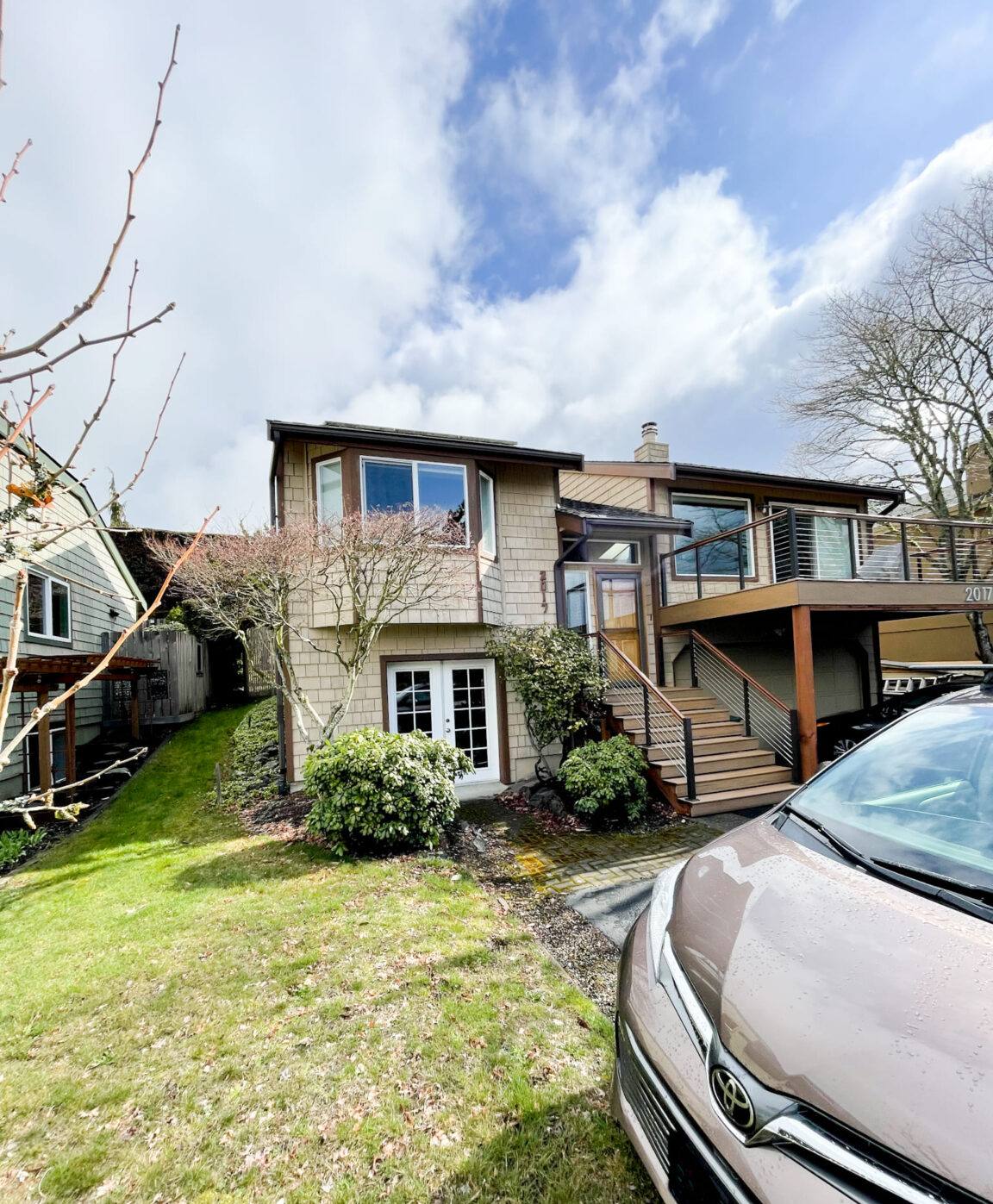
Signs Your Bellevue Home's Windows Are Due for Replacement
Some warning signs are obvious. Others build up slowly over a few wet seasons before a homeowner notices. Here's what we look for, and what you can check yourself before calling anyone:
- Fogging or a visible film between the panes of double-pane glass — this means the seal has failed and the argon or air gap is gone
- Windows that are difficult to open, close, or lock, especially after humid weather
- Visible gaps around the frame, or you can feel a draft standing near the window on a windy day
- Soft, discolored, or spongy wood trim or sill, which usually means water has been getting behind the frame
- Condensation forming on the inside of the glass regularly, which can point to a failed seal or poor insulation value
- Moss or dark streaking on the exterior trim around the window, a common sign in shaded, tree-covered yards
- Noticeably higher heating bills without another clear explanation
Any one of these on its own might not mean full replacement is needed. Several together, especially on a window that's original to an older home, usually does.
What a Correct Window Replacement Job Actually Involves
Full-Frame vs. Insert Replacement
There are two basic approaches. An insert (or "pocket") replacement fits a new window into the existing frame, which is faster and less invasive, but only makes sense if the existing frame is still sound and square. A full-frame replacement removes everything down to the rough opening, which costs more and takes longer but is the right call when there's rot, water damage, or the opening has shifted over time — something we see more often on older Bellevue homes with original wood-frame windows.
We don't default to the cheaper option just because it's faster. If we open a window and find compromised framing, we'll tell you before proceeding, not after.
Flashing and Moisture Management
This is the part that matters most in our climate and gets skipped most often on rushed jobs. Correct installation means a sloped sill pan so any water that does get past the window drains outward instead of pooling, proper flashing tape integrated with the house wrap (not just caulk over the gap), and backer rod and sealant sized correctly for the joint. Caulk alone is not a moisture barrier — it's a maintenance item that will eventually crack and need attention. A window installed with proper flashing will stay dry behind the trim even after a full winter of driving rain.
Choosing the Right Window for Bellevue's Climate
Frame material and glass package both matter more here than in drier regions, because the window has to handle constant humidity swings, not just occasional rain.
| Frame Material | How It Handles Our Climate | Trade-Offs |
|---|---|---|
| Vinyl | Won't rot, low maintenance, handles moisture well | Limited color/finish options compared to other materials |
| Fiberglass | Very stable through temperature and humidity swings, holds paint well | Higher upfront cost than vinyl |
| Wood (clad exterior) | Warm appearance inside, exterior cladding protects from weather | Interior wood still needs periodic maintenance; any cladding gap invites moisture |
| Aluminum | Strong and slim sightlines | Conducts cold and can condense more in humid, cool weather unless thermally broken |
Glass and Coatings
For this region, we generally recommend double-pane glass with a low-E coating and argon gas fill as the practical baseline — it cuts heat loss and reduces the condensation you'd otherwise see on cold, humid mornings. Triple-pane is available and does add performance, but the difference is often marginal for our winter temperatures and comes at a real cost premium; it's worth it for north-facing rooms or homes right along the lake with more wind exposure, less so as a blanket upgrade. Look for NFRC-rated U-factor and solar heat gain numbers on any quote rather than taking "energy efficient" as a given claim.
Our Process
- On-site assessment: We look at existing frames, flashing, and any signs of water damage before quoting anything — not just measuring glass.
- Honest scope: If insert replacement will work, we say so. If full-frame is needed, we explain why with photos of what we found.
- Written estimate: Clear pricing by window, materials specified by brand and series, and a realistic timeline.
- Installation: Removal, inspection of the rough opening, correct flashing and sill pan work, window set and shimmed level and plumb, interior and exterior trim finished.
- Walkthrough: We check operation, look, and seal on every window with you before we consider the job done.
What Affects Cost
We won't quote a per-window price without seeing the job, but these are the factors that actually move the number up or down:
| Factor | Why It Matters |
|---|---|
| Insert vs. full-frame replacement | Full-frame involves more labor, framing repair, and exterior finish work |
| Frame material chosen | Vinyl, fiberglass, and clad-wood carry different material costs |
| Window size and configuration | Large picture windows, bays, and custom shapes cost more than standard double-hungs |
| Number of windows done at once | Doing a whole house in one project is usually more cost-efficient per window than one-offs |
| Existing damage | Rotted framing or water damage found during removal adds repair work |
| Access and height | Second-story or hard-to-reach windows take more time and equipment |
A Quick Checklist Before You Sign With Anyone
- Ask whether they're doing insert or full-frame replacement, and why
- Get the brand, series, and NFRC ratings in writing, not just "energy efficient windows"
- Confirm flashing and sill pan details are part of the scope, not left to caulk alone
- Check WA contractor license and bonding/insurance before any work starts
- Ask what the warranty covers — labor and installation, not just the manufacturer's glass warranty
Why Local Experience in Bellevue Matters
A crew that regularly works in Bellevue and the surrounding King County area already knows what to expect: the humidity levels that push us toward certain glass packages, the moss and shade issues common on heavily wooded lots, and the permitting and inspection process for the jurisdictions we work in. That's not a small thing — window replacement that changes the size of an opening, or full-frame work on some properties, can require permits, and a contractor unfamiliar with local requirements can leave you exposed if an inspection is ever needed down the line.
Local experience also means we're not guessing at what actually holds up here. We've seen what happens when flashing is skipped through a wet Pacific Northwest winter, and we build every installation around avoiding that outcome rather than finding out the hard way.
After Installation: What Bellevue Homeowners Should Keep Up With
New windows still need a little attention, especially in a climate this wet. Keep weep holes (the small drainage openings at the base of the frame) clear of debris and dirt. Rinse pollen, moss spores, and grime off the exterior glass and frames a couple of times a year. Check exterior caulking annually for cracking, since even the best sealant is a maintenance item over time, not a permanent fix. And keep tree branches and shrubs trimmed back from windows where possible — reducing shade and standing moisture around the frame goes a long way toward keeping moss and mildew from taking hold.
If you're noticing drafts, fogged glass, or trouble operating your windows, we're happy to take a look and give you a straight answer about what your home actually needs — no pressure, no upsell. Use the form below to request a free estimate and we'll get back to you to schedule a time that works.