 Seattle
 A Siding Style That Fits West Seattle's Character
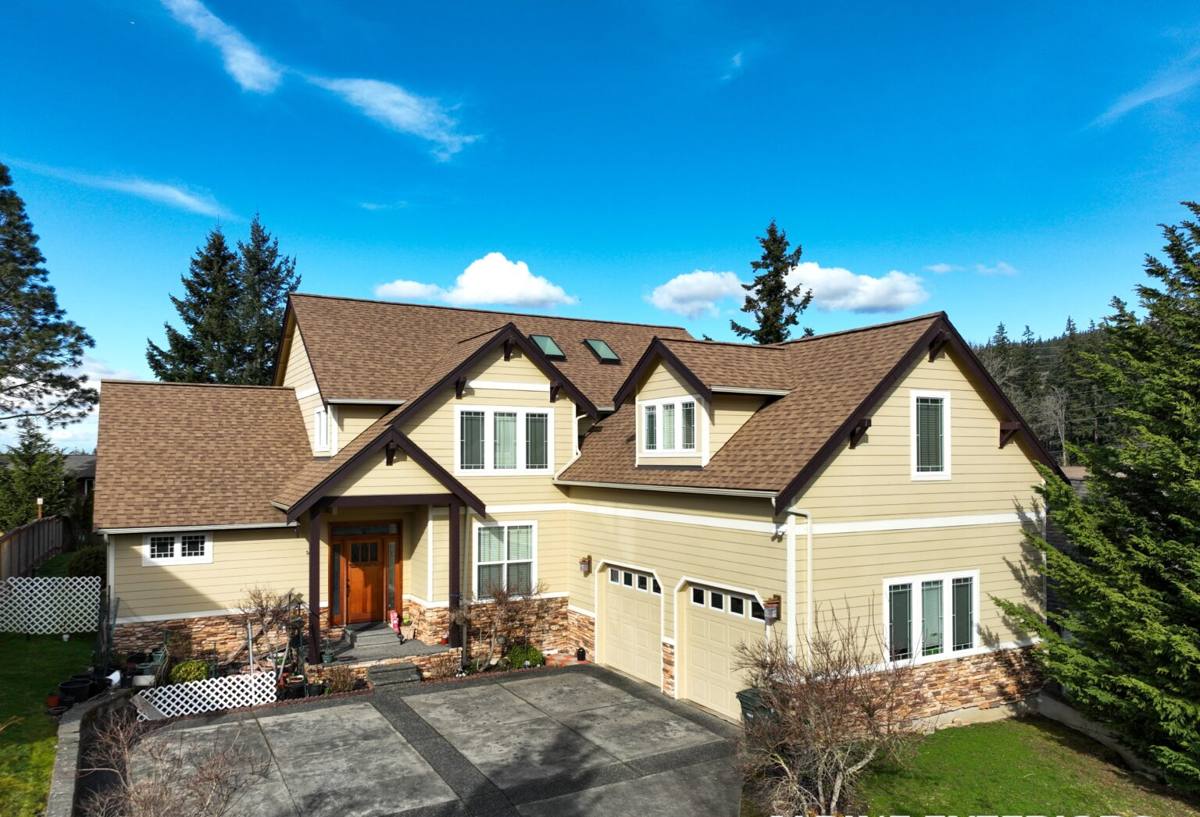
Board and batten has become one of the most requested siding styles in West Seattle, and it's easy to see why. The vertical lines read as clean and modern on newer builds taking advantage of view lots above Puget Sound, while on older bungalows and craftsman-style homes it works well as an accent on gables, dormers, and entry features paired with traditional lap siding on the rest of the house. It's a style that photographs well and holds up visually over time, but only if the wall behind it is built correctly for this climate.
West Seattle sits on a peninsula bordered by Puget Sound, which means homes here deal with a mix of coastal exposure and typical Pacific Northwest rain that inland Seattle neighborhoods don't see in quite the same combination. That mix matters more for board and batten than it does for standard lap siding, because vertical siding manages water differently and depends more heavily on what's happening behind the boards, not just the boards themselves.
What Puget Sound Weather Does to Vertical Siding
Salt Air
Homes closer to the water pick up salt-laden air that accelerates corrosion on fasteners, trim, and any hardware that isn't rated for it. Over years, that corrosion can show up as rust streaking through paint or finish failure concentrated on the sides of a house that face the Sound directly.
Driving Rain
Fall and winter storms in this area don't just fall straight down — wind off the water pushes rain sideways into walls, especially on west- and southwest-facing elevations. Board and batten has more vertical seams than lap siding, and every one of those seams is a potential entry point if the wall isn't detailed to handle wind-driven rain rather than just light drizzle.
A Long Moss Season
King County's mild, damp climate keeps moss and algae active for most of the year, not just a few winter months. Shaded lots with mature tree cover — common throughout West Seattle — see the heaviest growth on north-facing and tree-shaded walls, where siding stays damp longer between dry spells.
Why We Install James Hardie for Board & Batten in This Climate
Fiber cement doesn't rot, swell, or delaminate the way wood-based sidings and trim can when they stay damp for extended periods, which matters in a climate that doesn't give siding many long dry stretches to recover. James Hardie's HZ5 product engineering is built around exactly this kind of moisture exposure, and the factory-applied ColorPlus finish holds color and resists UV and salt air breakdown far better than field-applied paint, which tends to fail first at cut edges and joints — exactly the areas board and batten has more of.
We only install James Hardie fiber cement. We don't install vinyl, LP SmartSide, or primed wood board and batten, because we've seen how each of those products performs over time in exactly this kind of marine climate, and we'd rather stand behind one system we trust than offer options we wouldn't want on our own homes.
What a Correctly Installed Board & Batten Wall Actually Involves
Board and batten looks simple from the street, but the assembly behind a correctly built wall has several layers working together. Skipping or shortcutting any one of them is where problems start.
- A continuous weather-resistant barrier installed and lapped correctly, with a drainage gap (rainscreen) behind the siding so any moisture that gets past the surface can drain and dry rather than sit against the wall
- Flashing at every window head, door head, and penetration — not caulk substituting for flashing
- Fastening pattern and fastener spacing that follows Hardie's published installation requirements, not just "whatever holds it up"
- Battens placed to cover panel joints correctly, with consistent reveal and spacing
- Quality sealant used as a secondary line of defense at trim and penetrations, never as the primary water barrier
- Proper clearance from grade, roof lines, decks, and patios so siding isn't sitting in constant ground or splash moisture
Caulk and paint can hide a lot of shortcuts for the first year or two. In a climate that gets this much rain, the difference between a wall built this way and one that wasn't usually shows up three to five winters later — as staining, soft trim, or moisture damage that's expensive to trace back once it's inside the wall.
Mistakes We Commonly Find on Existing West Seattle Homes
When we're called out to look at siding problems on board and batten walls in this area, the issues tend to repeat themselves:
- Battens installed directly over siding with no drainage plane behind them, trapping moisture instead of letting it escape
- Vertical joints relying entirely on caulk, which eventually cracks and opens a direct path for wind-driven rain
- Siding installed tight to grade, decking, or hardscaping, allowing moisture to wick upward from below
- Missing or incomplete flashing at window heads, which often isn't visible until interior sheathing damage forces a wall to be opened up
None of these are visible from the sidewalk. They're the kind of details that separate a wall that holds up through Puget Sound winters from one that quietly fails behind a good-looking surface.
Our Process for a Board & Batten Project
| Step | What Happens |
|---|---|
| Assessment | On-site evaluation of existing siding, sheathing condition, and exposure on each elevation of the house |
| Tear-off & prep | Removal of old siding, inspection and repair of sheathing, correction of any existing moisture damage before covering it up |
| Weather barrier & flashing | Installation of the weather-resistant barrier, drainage gap, and flashing at all windows, doors, and penetrations |
| Board & batten installation | Panels and battens installed to Hardie fastening specifications, with consistent reveal and joint placement |
| Trim & finish detail | Corner trim, caulking at appropriate joints, and final finish work |
| Final walkthrough | Inspection with the homeowner before we consider the job complete |
Cost Factors for Board & Batten Siding
| Factor | Why It Affects Cost |
|---|---|
| Tear-off vs. new construction | Removing old siding and repairing any hidden sheathing damage adds labor beyond a straightforward install |
| Wall complexity | Homes with more gables, dormers, and window/door openings require more flashing and cutting |
| Batten spacing & reveal | Wider or custom spacing patterns take more layout time than a standard reveal |
| Height & access | Multi-story walls, steep lots, and limited access common on West Seattle's hillside streets can require additional equipment |
| Color & trim package | ColorPlus finish options and trim choices affect material cost |
We don't quote board and batten projects off a generic price list — the assessment on your specific walls is what determines an accurate number, and that's part of what a free estimate is for.
Maintaining Board & Batten Siding in a Marine Climate
James Hardie fiber cement is low-maintenance compared to wood, but "low-maintenance" doesn't mean "no maintenance" in a climate like this one. A little attention goes a long way toward protecting the investment:
- Rinse siding periodically to remove salt residue, pollen, and general grime before it builds up
- Check shaded and north-facing walls for moss or algae growth, especially under tree cover
- Inspect caulk lines at trim, windows, and penetrations annually and have any cracked sealant addressed early
- Watch for staining below gutters or downspouts, which can signal a drainage issue rather than a siding issue
- Keep plantings, mulch, and hardscaping from building up against the base of the siding
- Avoid aggressive pressure washing directly into joints and seams — a soft wash approach is safer for the finish
Why It Matters to Hire a Crew That Already Works in West Seattle
Board and batten performs differently depending on which direction a wall faces, how exposed it is to wind off the Sound, and how much shade and tree cover it gets — details that vary house to house, and sometimes wall to wall on the same house. A crew that regularly works in this specific area has already seen how those conditions play out over multiple winters on homes similar to yours, and builds accordingly rather than treating every wall the same way. We've installed and repaired enough siding around King County to know which details actually matter here versus in a drier inland climate, and we bring that judgment to every board and batten project we take on.
If you're considering board and batten siding for your West Seattle home, we're happy to take a look and give you an honest read on what your walls need. Reach out for a free, no-pressure estimate using the form below.