 Seattle
 Roof Repair Built for Wallingford's Older Housing Stock
Wallingford is one of Seattle's older residential neighborhoods, and that shows up on the roofline as much as anywhere else in the house. A lot of the homes here are early-1900s craftsman bungalows and post-war infill, many with steeper pitches, dormers, and multiple roof planes that were common to that era of construction. Roofs built or re-roofed decades ago weren't always detailed the way modern codes and materials require, and even a roof that's only 12-15 years old can develop trouble spots around old flashing, valleys, and chimney penetrations. Repairing a roof correctly in this neighborhood means understanding both the age of the housing stock and the way King County's climate wears on it year after year.
We work on Wallingford roofs regularly, which means we're not guessing at what a given roof style or era typically needs. That familiarity matters when you're trying to fix a leak correctly the first time instead of chasing it around the roof for two more winters.
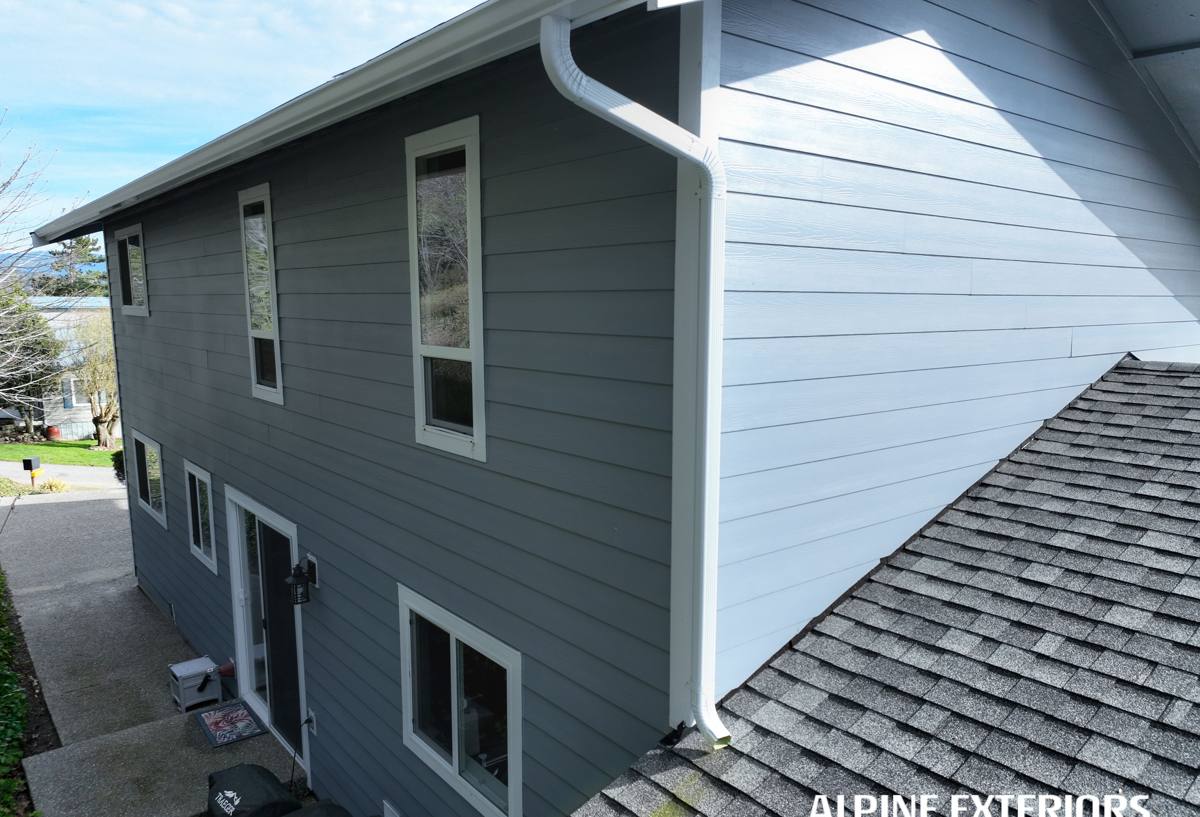
What Seattle's Climate Actually Does to a Wallingford Roof
Roof repair here isn't just about patching a hole. The Puget Sound climate creates a specific set of stresses that homeowners in drier parts of the country never have to think about.
Driving Rain and Wind-Driven Moisture
Seattle doesn't just get a lot of rain — it gets long stretches of it, often paired with wind off the Sound that pushes water sideways under shingles, into open laps, and behind poorly sealed flashing. A roof that would shed a straight-down rain just fine can still leak under driving rain if the underlayment, flashing, and shingle overlap aren't installed with that in mind.
A Long Moss and Algae Season
Between the shade from mature trees common in Wallingford's older lots and the region's damp, mild winters, moss has a long growing season here. Moss doesn't just look bad — it holds moisture against the roof surface, lifts shingle edges as it grows, and works its way into seams over time. Roofs on the north-facing or heavily shaded sections of a house are almost always the first to show moss growth and the first to develop related leaks.
Salt Air and Corrosion
Wallingford's proximity to Puget Sound means homes here deal with some degree of salt-laden air, which accelerates corrosion on exposed metal — flashing, fasteners, vent caps, and gutter hardware in particular. Standard fasteners and thin-gauge flashing that might last decades inland can corrode noticeably faster this close to saltwater, which is one reason material choice matters as much as workmanship on a repair.
Signs a Wallingford Roof Needs Repair
Most roof problems don't announce themselves with an obvious hole. They show up as smaller signals that are easy to miss until they've caused interior damage. Homeowners in this neighborhood should watch for:
- Water stains on ceilings or upper interior walls, especially after a stretch of heavy rain or wind
- Visible moss or algae buildup, particularly on shaded, north-facing roof sections
- Curling, cracked, or missing shingles, or granules collecting in gutters
- Rusty streaks or soft spots around chimney flashing, vent pipes, or skylights
- Sagging in the roofline or soft, spongy decking felt underfoot during inspection
- Daylight visible through the roof deck from inside an attic space
- Gutters pulling away from the fascia or overflowing during normal rainfall
Any one of these on its own doesn't necessarily mean a full replacement is coming, but they all warrant a proper inspection rather than a guess-and-patch approach.
What a Correct Roof Repair Actually Involves
A repair that's done right addresses the cause, not just the symptom. That distinction matters a lot on older Wallingford roofs, where the visible leak point and the actual entry point for water are often several feet apart — water can travel along rafters or sheathing before it shows up as a stain on a ceiling.
Diagnosis Before Repair
Before any material comes off the roof, we trace the leak back to its actual source. That usually means checking flashing at every penetration — chimneys, vent stacks, skylights — along with valleys, ridge lines, and any transition where two roof planes meet, since those are the highest-risk spots on any pitched roof.
Addressing the Deck, Not Just the Surface
If water has been getting in for a while, the roof deck underneath the shingles may be softened or rotted. Patching new shingles over compromised decking is a short-term fix that fails again quickly. A correct repair replaces any damaged sheathing before new roofing material goes back down.
Matching and Integrating Materials
New shingles, flashing, and underlayment need to tie into the existing roof system correctly — proper overlap, compatible materials, and fasteners rated for the exposure. A patch that doesn't integrate cleanly with the surrounding roof often just moves the leak a few feet over instead of solving it.
Repair or Replace? How We Help You Decide
Not every roof problem calls for a full replacement, and not every leak should be patched indefinitely. The right call depends on the roof's age, how much of it is affected, and what's underneath the surface layer.
| Factor | Leans Toward Repair | Leans Toward Replacement |
|---|---|---|
| Roof age | Well within expected material lifespan | At or past the end of its expected service life |
| Extent of damage | Isolated to one section, flashing, or penetration | Multiple areas failing, widespread moss or granule loss |
| Decking condition | Sound, dry sheathing under the affected area | Soft, rotted, or repeatedly wet decking |
| Repair history | First or second repair in this area | Same spot has been patched multiple times already |
| Overall material condition | Shingles elsewhere are still flexible and intact | Shingles are brittle, curling, or granule-bare across the roof |
We'll walk you through where your roof falls on this before recommending anything — an honest repair is often the right answer, and we'll say so when it is.
Our Repair Process, Start to Finish
- Inspection. We get on the roof (not just a ground-level look) and check the deck, flashing, ventilation, and surrounding shingles, not just the spot you noticed leaking.
- Diagnosis and estimate. We explain what we found in plain terms, what's causing the issue, and what it will take to fix it correctly — including if we think repair isn't the right long-term move.
- Scheduling around weather. Roof work depends on dry conditions to install correctly, so we plan the work for a realistic weather window rather than rushing it into a wet stretch.
- Removal of damaged material. Compromised shingles, underlayment, and flashing come off; any soft decking underneath is identified and replaced.
- Reinstallation with correct detailing. New underlayment, flashing, and shingles go back in with proper overlap and fastening for wind and driving rain exposure.
- Cleanup and walkthrough. We clear debris and nails from the yard and gutters, then walk you through what was done and what to keep an eye on going forward.
Materials and Methods We Rely On
Material choice matters as much as installation quality, especially given the corrosion and moss pressure common to this area.
- Corrosion-resistant flashing and fasteners suited to a marine-influenced climate
- Ice-and-water or self-sealing underlayment at valleys and eaves, where wind-driven rain is most likely to get pushed underneath shingles
- Shingle and flashing overlap detailing sized for wind exposure, not just minimum code
- Zinc or copper strips at ridge lines where moss is a recurring problem, which discourages regrowth without relying on harsh chemical treatments
We don't push products based on what's cheapest to install — we frame recommendations around how a material actually performs in this climate over the long run, including maintenance burden and how it holds up to repeated wet-dry cycling.
Roof Maintenance Between Repairs
A repair lasts longer when it's not fighting moss and clogged drainage on top of everything else. A few habits go a long way for Wallingford homeowners:
- Keep gutters clear, especially in fall when leaf debris from mature street trees builds up fast
- Have moss and algae growth addressed before it spreads across a full slope, not after
- Trim back branches that keep sections of the roof shaded and damp longer than the rest
- Get a roof looked at after any major windstorm, even if nothing looks obviously wrong from the ground
Why a Crew That Knows Wallingford Matters
Roofing crews who mostly work outside this climate — or outside King County's older neighborhoods specifically — tend to underestimate two things: how much a long moss season changes a roof's maintenance needs, and how differently older roof framing and decking behave compared to newer construction. On a Wallingford home, that can mean the difference between a repair that holds and one that reopens the following winter.
Working this neighborhood regularly also means we're familiar with the permitting expectations in Seattle and King County for roof work, and with the practical realities of the lots here — narrower access, mature trees close to the roofline, and older framing that needs to be handled carefully rather than assumed to match modern spec.
If you've got a leak, visible moss buildup, or a roof that's just due for an honest look, we're glad to come take a look and give you a straight answer — repair, monitor, or replace. Reach out below for a free, no-pressure estimate.