 Seattle
 Roofing a Neighborhood Built Before Modern Roofing Codes
Wallingford's housing stock skews old. Craftsman bungalows, older Seattle boxes, and early-20th-century homes make up a large share of the neighborhood, and most of those roofs have been re-covered at least once, sometimes more, over the decades. That history matters when it's time for a new roof. A roof going onto a 90-year-old structure has to account for original framing that was never designed around today's ventilation standards, decking that may have been patched piecemeal over the years, and rooflines with dormers, additions, and bump-outs that all create their own flashing and drainage challenges.
A new roof installation in a neighborhood like this isn't just "strip and re-shingle." It's an opportunity to correct decades of small compromises — undersized ventilation, missing ice-and-water barrier at eaves, flashing that was reused instead of replaced — that generic re-roofing jobs tend to leave in place.
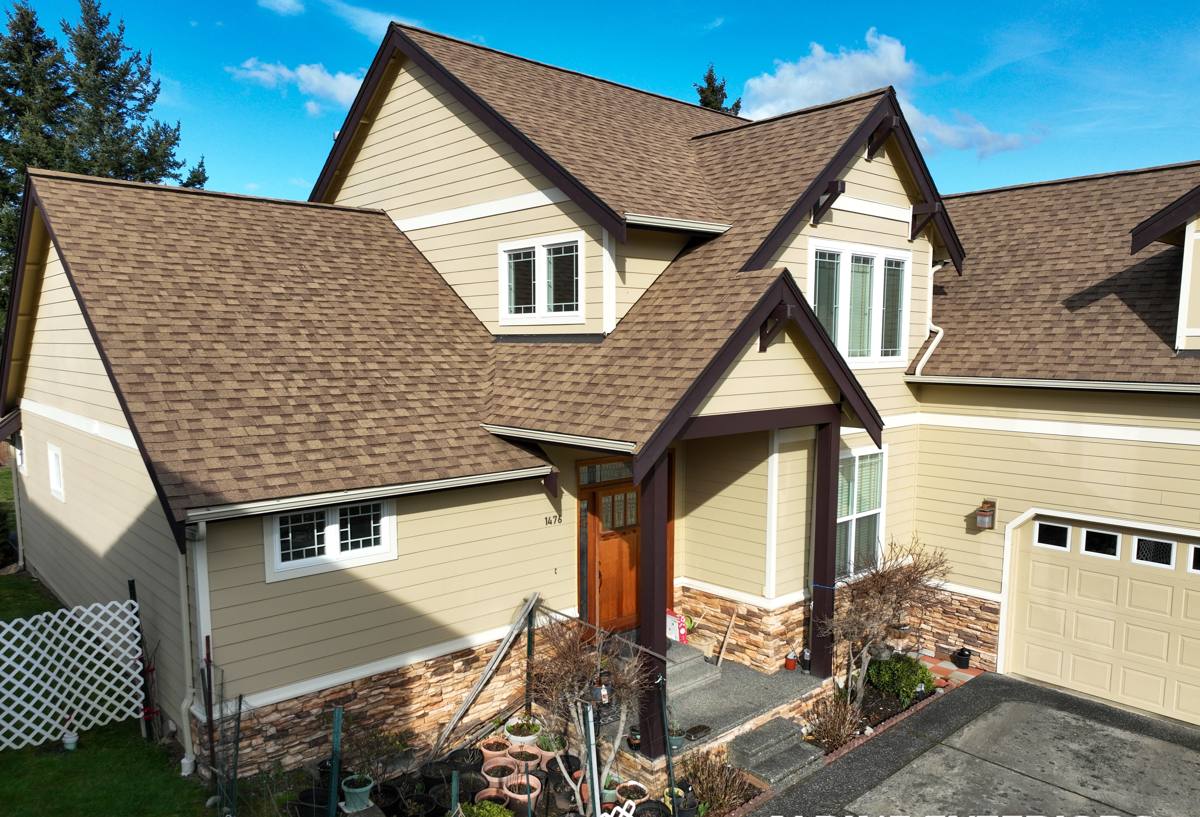
What Seattle's Climate Actually Does to a Roof
King County doesn't get the hail or wildfire exposure some other regions deal with, but it has its own slow, grinding set of pressures. Driving rain off the Sound, long stretches of damp shade under mature trees, and a moss season that can run most of the year all add up to a very specific kind of wear.
Moss and Organic Growth
Moss doesn't just sit on top of shingles — it holds moisture against the roofing material, works its way under shingle edges as it grows, and can lift tabs enough to let wind-driven rain in underneath. North-facing slopes and roof sections shaded by trees are the most affected, and Wallingford has plenty of both.
Driving Rain and Wind-Driven Moisture
Seattle rain is rarely a downpour, but it's frequent and often comes in sideways during winter storms off the water. That means flashing details, underlayment quality, and how well shingles are sealed matter more here than in drier climates where roofs mostly deal with straight-down rain.
Salt Air and Metal Components
Wallingford's proximity to Lake Union and the broader Puget Sound airshed means metal roofing components — flashing, fasteners, vents, gutters — see more corrosion pressure over time than the same materials would inland. Fastener and flashing material choice isn't cosmetic here; it affects how long those parts actually last.
Signs a Wallingford Home Needs a New Roof, Not a Repair
Not every roof problem calls for full replacement, but there's a point where patching stops making financial sense. Some signs point clearly toward a new roof rather than another repair:
- Granule loss heavy enough that you can see bare asphalt on multiple slopes, not just one worn spot
- Shingles that are cupping, curling, or cracking across large sections rather than isolated areas
- Moss or moss staining that returns within a season or two of cleaning, even after treatment
- Daylight visible through the roof deck from inside the attic, or damp insulation after storms
- Multiple past repairs in different areas of the same roof over the last several years
- A roof that's at or past the expected service life for its material, especially if it's the original roof on an older home
- Persistent leaks around chimneys, skylights, or dormers despite repeated flashing repairs
If a roof is showing two or more of these at once, a full replacement usually costs less over the next decade than continuing to chase individual repairs.
What a Correct New Roof Installation Actually Involves
A roof is a system, not a single layer of material. Skipping or shortcutting any one part of that system is where most premature failures come from.
Tear-Off and Deck Inspection
A full tear-off removes the old roofing down to the deck, which is the only way to actually see what's underneath. On older Wallingford homes this step often turns up soft or delaminated plywood or sheathing boards that need to be replaced before anything new goes down — installing new roofing over a compromised deck just guarantees an earlier failure.
Ice-and-Water Barrier and Underlayment
Given the rainfall pattern here, self-adhering ice-and-water membrane at eaves, valleys, and around penetrations isn't optional — it's the backup layer that protects the deck when wind-driven rain gets past the shingles themselves. A quality synthetic underlayment across the rest of the deck adds a second line of defense and holds up better than old-style felt paper if the roof sits exposed for any length of time during installation.
Ventilation
Older homes are frequently under-ventilated by today's standards. Balanced intake at the eaves and exhaust at the ridge keeps the attic space dry and temperate, which reduces moisture buildup that feeds mold and rot, and helps shingles last their full rated life instead of failing early from trapped heat and humidity.
Flashing
Every flashing on the roof — chimney, skylight, sidewall, valley — should be replaced during a full re-roof, not reused. Flashing is thin metal that takes the most direct water exposure on the whole roof, and reusing old pieces to save time is one of the most common sources of leaks in the first few years after a "new" roof.
Field Shingles or Roofing Material
The visible roofing layer is installed to manufacturer spec for nail pattern, exposure, and sealing — details that matter more in a wind- and rain-exposed climate than in milder ones, since a shortcut here shows up as a lifted or leaking shingle the first big storm.
Choosing a Roofing Material for a Wallingford Home
Material choice should match the home's roofline, the amount of shade and moss exposure, and how the homeowner wants to handle long-term maintenance. There's no single "best" material — there are trade-offs.
| Material | Moss & Moisture Resistance | Maintenance Needs | Relative Cost |
|---|---|---|---|
| Architectural asphalt shingle | Good with proper ventilation; algae-resistant granule options available | Periodic moss removal on shaded slopes | Lower to mid |
| Standing seam metal | Excellent — sheds moisture, minimal surface for moss to grip | Low; occasional fastener and sealant checks | Higher |
| Cedar shake/shingle | More vulnerable to moss and rot in damp shade without diligent upkeep | High; regular treatment and cleaning | Mid to higher |
| Synthetic composite shingle | Good; resists moisture absorption better than wood | Low to moderate | Mid |
For most Wallingford homes with mature tree cover, we steer homeowners toward architectural asphalt with algae-resistant granules or, for those planning to stay long-term and wanting the lowest-maintenance option, standing seam metal. We're generally cautious about cedar in heavily shaded lots — it can look great, but it demands a maintenance commitment that a lot of busy homeowners underestimate, and moisture behavior in constant shade works against it.
Our Process for a Wallingford Re-Roof
- On-site inspection. We walk the roof (or use a drone where pitch or access makes that safer) and check the attic from inside, looking at deck condition, ventilation, and flashing points before quoting anything.
- Written estimate. A clear scope of work covering material, tear-off, deck repair allowances, ventilation changes, and flashing — no vague line items.
- Scheduling around weather. We plan install timing with Seattle's rain patterns in mind and keep the deck protected if weather turns mid-job.
- Tear-off and deck repair. Old roofing comes off, the deck gets inspected, and any soft or damaged sections are replaced before anything new goes down.
- Underlayment, flashing, and ventilation installation. The system components go in first and get inspected before the finish material is installed.
- Roofing material installation. Installed to manufacturer spec, with attention to the details that matter most in wind-driven rain.
- Cleanup and final walkthrough. Magnetic sweep for nails, full site cleanup, and a walkthrough so you understand what was done and what to watch for going forward.
Permits and Code Requirements
Most full roof replacements in Seattle require a permit through the city, and King County has its own requirements for unincorporated areas nearby. Permit requirements can hinge on the scope of work — a straightforward like-for-like re-roof is handled differently than a project that also involves structural changes to the roofline. We handle the permitting process as part of the job so homeowners aren't stuck navigating city requirements on their own, and so the finished roof passes inspection without surprises.
Why Local Experience in Wallingford Matters
A crew that regularly works this specific neighborhood already knows the common roofline quirks of its older housing stock, has a feel for which streets sit in heavier tree shade and see faster moss return, and understands how Seattle's permitting process actually works in practice rather than just on paper. That local familiarity shows up in fewer surprises once tear-off starts — fewer change orders, fewer guesses about what's under the old roofing, and a more accurate estimate from the first visit.
It also matters for warranty follow-through. A contractor who's still working in the neighborhood next year and the year after is a lot easier to reach if a flashing detail needs a look after a hard winter storm.
After Installation: Keeping a New Roof Performing
A correctly installed roof still benefits from basic upkeep, especially in this climate:
- Clear gutters and downspouts each fall so water isn't backing up under eave flashing during winter rain
- Have shaded, moss-prone slopes checked and gently cleaned every year or two rather than waiting for visible buildup
- Trim back tree limbs that overhang the roof to cut down on debris and shade that feed moss growth
- Schedule a quick visual inspection after any unusually severe windstorm
- Keep attic ventilation paths (soffit vents, etc.) clear of insulation or debris that can block airflow
None of this is expensive or time-consuming, but skipping it is how a well-installed roof loses years off its lifespan.
If your Wallingford roof is showing its age or you're just trying to plan ahead, we're happy to take a look and give you a straight, no-pressure assessment of where things stand. Fill out the form below for a free estimate — there's no obligation, just an honest read on your roof and your options.