 Seattle
 Composite Decking for University District's Rain, Shade, and Tree Canopy
University District sits close to the University of Washington campus, and the housing stock reflects it: older craftsman and Tudor-style homes on modest lots, a lot of mature street trees and backyard canopy, and a high share of rental turnover from students and staff. That combination creates a specific set of problems for a deck. Shade from big trees keeps wood surfaces damp long after a storm passes. Small lots mean decks often sit close to fences, sheds, or a neighbor's foundation, which limits airflow underneath. And with rental turnover, a deck gets used hard by people who didn't build it and won't be the ones repairing it if it fails. A composite deck built correctly for these conditions holds up to all of that with far less upkeep than a wood deck ever will.
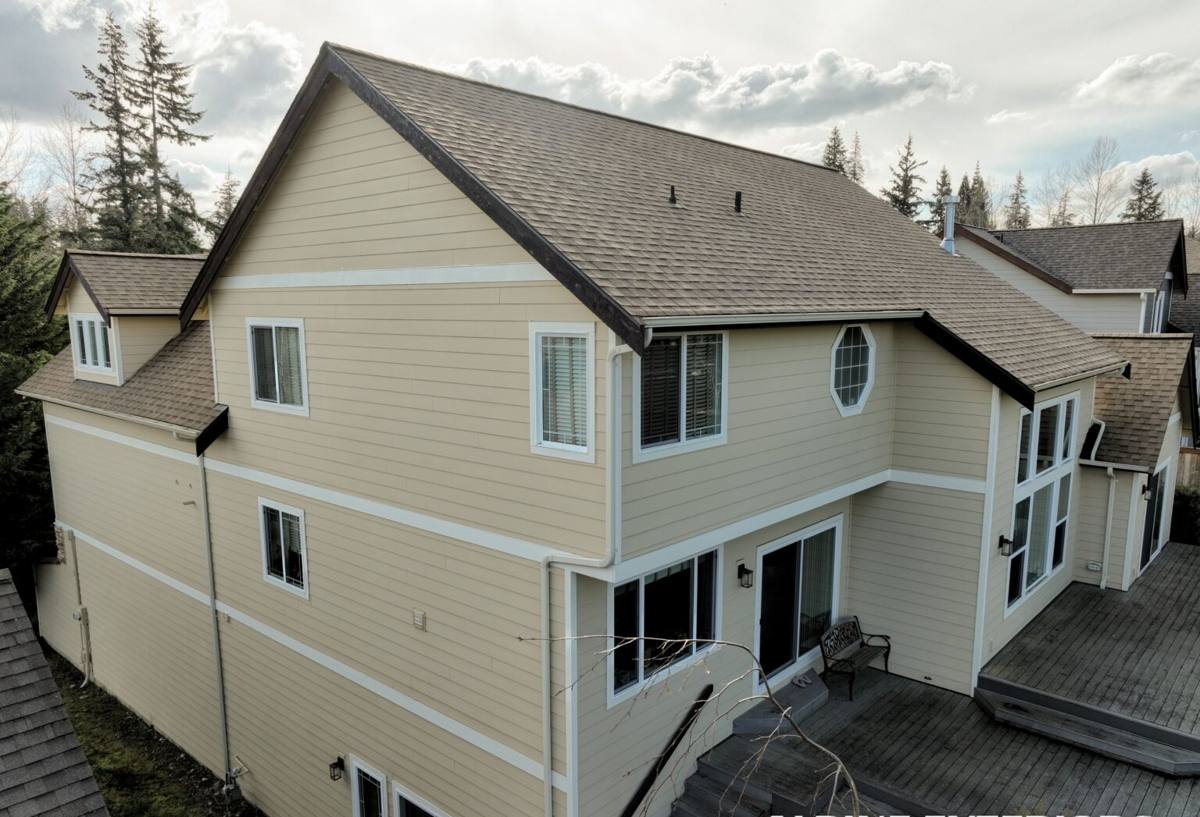
What Seattle and King County Weather Do to a Deck
Rain That Doesn't Let Up
Seattle doesn't get the heaviest rainfall totals in the country, but it gets rain on more days than almost anywhere else. That means wood decking rarely gets a real chance to dry out between storms during fall, winter, and spring. Moisture works into end grain, fastener holes, and any spot where boards touch each other or the framing, and that's where rot starts — usually from the inside out, so it's not visible until a board is already failing.
Moss and Algae in Shaded Yards
University District's tree cover is a mixed blessing. It's part of what makes the neighborhood pleasant, but shaded, damp wood surfaces are exactly what moss and algae need to take hold. On a wood deck, moss doesn't just look bad — it holds moisture against the board surface and makes the deck slick and genuinely dangerous on wet mornings. A long moss season here means this isn't a one-time cleaning problem; it's a recurring maintenance cycle for anything with an absorbent, textured wood surface.
Freeze-Thaw and Seasonal Movement
King County doesn't see extreme cold most winters, but it does see enough freeze-thaw cycling — wet boards that freeze overnight and thaw by afternoon — to stress wood fibers and loosen fasteners over several seasons. Composite boards expand and contract too, but manufacturers engineer for it, and a correctly installed composite deck accounts for that movement with proper gapping instead of fighting it.
Composite vs. Wood vs. PVC for This Neighborhood
There's no single "best" decking material for every house — it depends on the site, the budget, and how much upkeep you actually want to do. Here's how the three main options compare for a shaded, rain-heavy University District lot.
| Material | How it handles shade and moisture | Upkeep required | Typical lifespan here |
|---|---|---|---|
| Pressure-treated wood | Absorbs moisture readily; needs full sun and airflow to dry between rains, which shaded U-District lots often don't provide | Annual cleaning, periodic sealing or staining | 10–15 years before major repairs, often less in heavy shade |
| Composite (capped) | Moisture-resistant cap layer sheds water and resists moss growth better than raw wood | Periodic washing; no sealing or staining | 25–30+ years, backed by manufacturer warranty |
| PVC/vinyl decking | Fully moisture-proof but can feel and look less like natural wood; more expensive upfront | Low; occasional washing | Comparable to or longer than composite |
We install composite because it hits the practical middle ground for this climate: it doesn't need annual sealing, it resists the moss and algae problem that shaded lots create, and it doesn't carry the higher material cost of full PVC systems. That's our professional standard for this neighborhood, not a knock on wood — a well-maintained wood deck can still be the right call for a homeowner who wants that specific look and is willing to do the yearly upkeep.
What a Correct Composite Deck Installation Involves
Substructure and Framing
Composite boards are only as good as what's underneath them. We frame with joist spacing tightened to the manufacturer's spec — usually closer than what's typical for wood decking — because composite behaves differently under load and temperature swings. Joists get wrapped with a protective tape before boards go down, which keeps rainwater from soaking into the framing lumber at every screw hole, one of the most common failure points we see on older decks in this neighborhood.
Drainage, Airflow, and Ledger Flashing
Where a deck attaches to the house, the ledger board and flashing details matter more in Seattle than almost anywhere else, because that's the connection point where water intrusion turns into a rot problem inside a wall. We flash ledger boards properly and make sure the deck surface pitches slightly away from the house so water runs off instead of pooling against the siding. On tight U-District lots where a deck sits close to a fence or low to grade, we also pay close attention to under-deck airflow — composite doesn't rot the way wood does, but standing water and debris underneath any deck still cause problems over time.
Fastening and Board Spacing
Composite boards need consistent gapping between boards to allow for expansion and contraction across our wet winters and dry summer stretches. Too tight, and boards can buckle; too loose, and the deck looks sloppy and traps debris. We use hidden fastener systems on most composite installs, which also means no exposed screw heads to trap water or work loose over time the way face-screwed wood decking does.
Railings, Stairs, and Trim
Railings and stair stringers see the most direct weather exposure and the most physical stress on a deck. We match railing systems to the composite decking line where possible for a consistent look, and we're careful with stair stringer material and flashing since stairs are usually the first thing to show rot on an older wood deck.
Our Process From First Call to Finished Deck
- Site visit and assessment — We look at your existing deck or the build site, check drainage, tree shade, and how the deck ties into the house.
- Honest scope and estimate — You get a written estimate that spells out material, framing work, and any repair needed to ledger boards or footings before we build on top of them.
- Permitting — Most new decks and many rebuilds in Seattle require a permit; we handle that process rather than leaving it to you.
- Demolition and framing — Old decking comes off, framing gets inspected and repaired or replaced as needed, and joist tape and flashing go in before any composite board is installed.
- Composite installation — Boards, railings, stairs, and trim go in per manufacturer spec, with attention to gapping, fastening, and drainage.
- Final walkthrough — We walk the finished deck with you, cover basic care, and point out anything worth keeping an eye on given your specific lot's shade and drainage.
Maintenance That Actually Matters Here
Composite decking is low-maintenance, not no-maintenance. In a shaded, rain-heavy neighborhood like University District, a few habits go a long way:
- Sweep leaves and debris off the deck through fall — trapped organic matter under mature tree canopy is the main driver of algae growth on any decking surface, composite included.
- Wash the deck surface once or twice a year with a mild soap and water using a soft-bristle brush; avoid pressure washers set too high, which can damage the cap layer on some composite lines.
- Keep gutters and downspouts near the deck clear so runoff isn't dumping directly onto the deck surface or the ledger connection during heavy King County storms.
- Check under-deck areas once a year for debris buildup, especially on lower decks close to grade where airflow is already limited.
- Inspect railings and stair connections annually — fasteners and hardware, not the composite board itself, are usually what needs attention first.
Cost Factors for a University District Composite Deck
Composite decking costs more upfront than pressure-treated wood, but the honest comparison has to include the maintenance you're not paying for every year. What actually moves the price on a given project:
| Factor | Why it matters here |
|---|---|
| Deck size and footprint | Larger footprints on small U-District lots sometimes require creative framing around property lines and setbacks |
| Existing framing condition | Older homes often need joist or ledger repair before new decking goes on, which affects total cost |
| Composite product tier | Entry-level capped composite vs. premium lines with deeper wood-grain texture and longer warranties |
| Railings and stairs | Composite or aluminum railing systems cost more than basic wood rail but need far less upkeep |
| Site access | Tight side yards and alley-access lots common in this neighborhood can add labor time for material staging and demo hauloff |
Why Hiring a Crew That Already Works This Neighborhood Matters
University District has its own quirks — older framing behind existing decks, tight lot lines, mature trees that owners often want to work around rather than remove, and a City of Seattle permitting process that applies specific rules depending on deck height and proximity to property lines. A crew that already works in this part of Seattle isn't guessing at any of that. We know what to check on an older ledger connection before we build on top of it, how to plan around root systems from established trees, and what inspectors here actually look for. That local familiarity is the difference between a deck that looks right on day one and one that's actually built right for how this neighborhood's weather and lots behave over the next twenty-five years.
Is Composite Decking Right for Your Property?
Composite isn't automatically the right call for every situation — a small, low deck that gets full sun and light use might do fine in wood if you're willing to maintain it. But for most University District properties, with their shade, rain exposure, and long moss season, composite decking removes the maintenance burden that wood decking demands year after year. If you're weighing options for a new deck or replacing one that's showing rot, moss, or soft spots, we're happy to take a look and give you a straight assessment of what your specific lot needs.
If you'd like a free, no-pressure estimate for composite decking on your University District property, the form below gets you a straightforward assessment and a written quote — no obligation.