 Seattle
 Board & Batten in a Neighborhood Built on Contrast
University District mixes century-old craftsman bungalows with newer infill homes, duplexes, and the occasional ADU tucked behind a mature yard. Board and batten shows up in both worlds — as a period-appropriate detail on older homes with gable accents or porch returns, and as a clean, modern siding choice on new construction and remodels. It's a distinctive look: wide vertical panels with narrow battens covering the seams, giving a home a taller, more structured profile than standard horizontal lap siding.
What board and batten is not, though, is a siding style you can install casually. The vertical orientation and the seams under those battens create more opportunities for water to find its way behind the cladding than a standard lap job does. In a neighborhood with mature tree canopy, a lot of shade-holding lots, and Seattle's long wet season, that detail matters more than most homeowners realize until something goes wrong behind the wall.
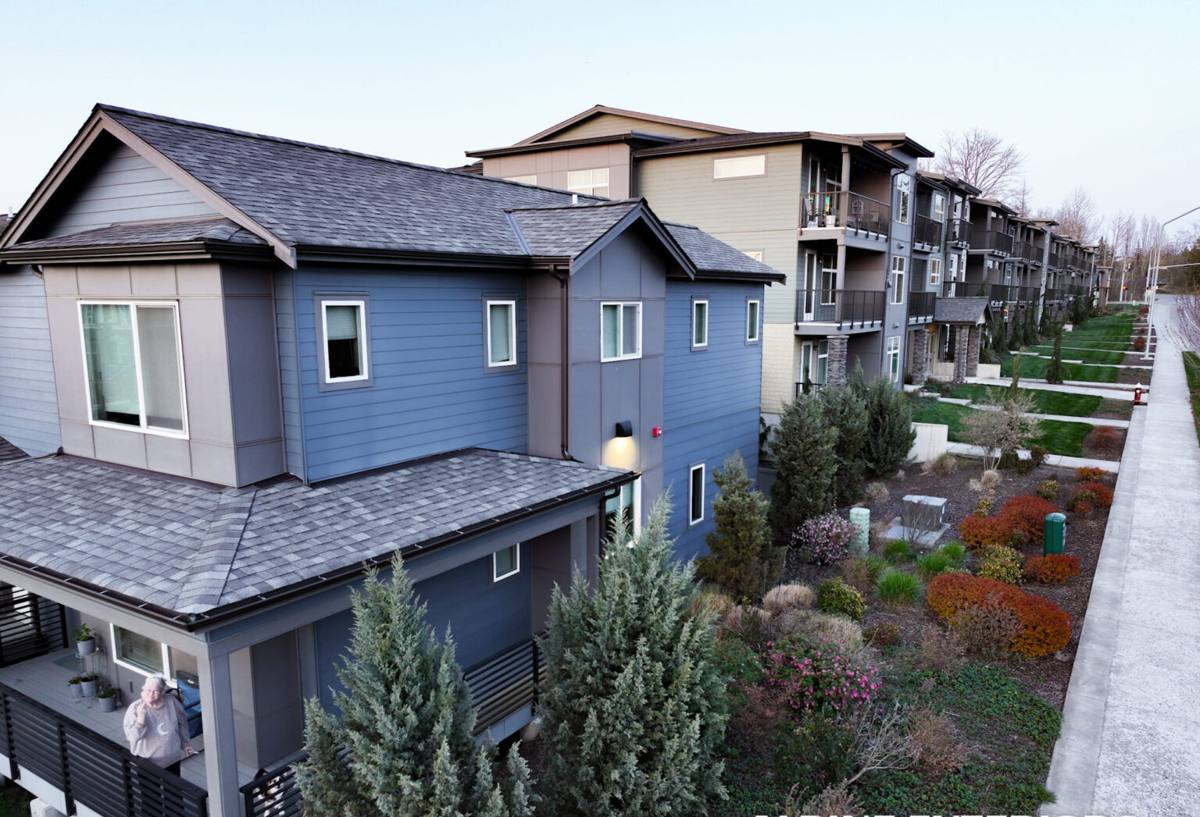
What Seattle's Climate Does to Vertical Siding
Driving Rain and Wind-Loaded Walls
King County doesn't get hurricanes, but it gets long stretches of steady, wind-driven rain that pushes water sideways against exterior walls for days at a time. On board and batten siding, that means water is constantly testing the seams under every batten strip. If the flashing, fastening, and drainage details underneath aren't correct, that water doesn't just bead up and run off — it works its way behind the panel and stays there.
Moss, Algae, and Shade
Seattle's moss season isn't a minor cosmetic issue. On shaded lots — and University District has plenty of them under mature trees — moss and algae take hold on any siding surface that stays damp too long. On vertical siding, battens create horizontal ledges and shadow lines that hold moisture and organic debris longer than a smooth lap profile. A siding product's finish and a wall assembly's ability to dry out both directly affect how much moss you'll be scrubbing off in five years.
The Broader Regional Backdrop
Homes across greater Seattle and the Puget Sound corridor deal with a version of this same equation — a mild, marine-influenced climate that trades snow and ice for near-constant humidity, salt-tinged air off the Sound, and rain that rarely lets up for long. University District sits inland from the water, but it's not exempt from the underlying pattern: siding here has to shed water reliably and resist moisture absorption over decades, not just look good on install day.
Why Board and Batten Demands More Precision Than Lap Siding
Horizontal lap siding is a forgiving system — each course overlaps the one below it, so gravity does a lot of the work of shedding water. Board and batten flips that logic. Water runs down a flat vertical field and crosses horizontal seams and batten joints on its way down. Every one of those crossings is a place where a installer's attention to flashing, caulking, and fastener placement either holds up for decades or becomes the starting point for rot and water staining.
This is also why board and batten is a poor candidate for a budget or rushed installation. The margin for error is smaller, and the consequences of cutting corners show up later — often after the siding already looks fine from the curb.
Why We Install James Hardie for Board and Batten — Not Wood or Vinyl
We install James Hardie fiber cement exclusively, on every job, including board and batten profiles. That's a deliberate standard, not a default, and it's worth explaining why in the context of this specific siding style.
Traditional wood board and batten has real appeal — it's the original version of this look — but solid wood siding moves with humidity, and in a climate that stays damp for months at a stretch, that movement opens seams, cups boards, and invites the kind of moisture intrusion that vertical siding is already more vulnerable to. It also needs regular repainting and caulk maintenance to keep ahead of the weather, which is a real ongoing cost most homeowners underestimate when they choose it. Vinyl vertical panel siding solves the maintenance problem but trades away the crisp, flat, architectural look that makes board and batten desirable in the first place — vinyl panels flex, show waviness in direct light, and don't hold paint or color depth the way a factory-finished product does.
James Hardie's fiber cement system gives us a board and batten profile that's dimensionally stable, non-combustible, and finished at the factory under controlled conditions with ColorPlus technology — so the color is baked on, not field-applied, and it resists the fading and chalking that field-painted wood battens show within a few years.
| Factor | James Hardie Fiber Cement | Solid Wood | Vinyl Vertical Panel |
|---|---|---|---|
| Moisture movement | Minimal — engineered dimensional stability | Significant — swells and shrinks seasonally | Low, but panels can warp in heat |
| Finish | Factory-baked ColorPlus finish | Field-painted, needs repainting | Molded-in color, fades over time |
| Moss/algae resistance | Good with proper drying detail | Poor — absorbs moisture, feeds growth | Fair — moisture doesn't absorb but rides on surface |
| Fire rating | Non-combustible | Combustible | Combustible, can deform under heat |
| Architectural crispness | Flat, sharp lines held long-term | Good initially, warps over time | Wavy appearance in direct light |
| Typical lifespan (correctly installed) | 30+ years | 15-20 years before major repaint/repair cycles | 20-25 years |
What Correct Board and Batten Installation Actually Involves
The board and batten look is simple. The assembly behind it isn't. A correctly installed system on a University District home should include:
- A weather-resistant barrier installed with proper shingle-lap sequencing over sheathing
- A drainage gap (rainscreen furring) behind the panels so any water that gets past the surface can drain and the wall can dry, rather than sitting trapped against the sheathing
- Correct flashing at every horizontal seam, window, door, and roof-to-wall transition
- Battens fastened per James Hardie's engineering specifications, not just nailed wherever looks even
- Factory-primed and painted cut edges on every field cut, so no raw fiber cement is left exposed to moisture
- Proper clearance between the bottom of the siding and grade, decks, or roof lines to avoid wicking moisture from below
- Caulking only where James Hardie's install guide calls for it — over-caulking can trap moisture as often as under-caulking lets it in
Any one of these done wrong won't necessarily show up in the first year. It shows up in year six or seven, as staining, soft spots, or paint failure at the seams — which is exactly the failure pattern board and batten is most prone to when it's rushed.
How We Approach a University District Project
We start with an on-site assessment of the specific wall assembly — older U District homes often have layers of old siding, sheathing of varying condition, and sometimes evidence of past moisture issues under existing cladding that need to be addressed before new siding goes on, not covered up. We check for shaded, moss-prone elevations that need extra attention to drainage detailing, and we plan flashing and drainage strategy before a single panel is ordered.
From there, installation follows James Hardie's engineering specifications for board and batten assemblies — not a generic siding crew's shortcuts. We also account for the practical realities of working in a dense, walkable neighborhood close to campus: tighter lot lines, shared driveways, and street parking that require more coordination than a suburban job would.
Maintenance: What Board and Batten Owners Should Actually Watch For
A correctly installed Hardie board and batten system is low-maintenance, not no-maintenance. Homeowners should still:
- Rinse off moss and organic debris on shaded elevations once or twice a year before it establishes a foothold
- Keep gutters clear so overflow doesn't run down the face of the siding at seams and corners
- Watch caulked joints around windows and trim for cracking or separation over time, and have them addressed before water gets behind the panel
- Trim back vegetation and tree limbs that hold shade and moisture directly against the wall
None of this is heavy upkeep, but skipping it in a neighborhood with as much tree cover as University District has will shorten the life of any siding system, Hardie included.
Cost Considerations for Board and Batten
Board and batten typically runs somewhat higher than standard lap siding for the same square footage, mainly because of the additional batten material and the extra labor precision the seams require. The real cost driver, though, is usually the condition of the wall underneath — older University District homes sometimes need sheathing repair or added drainage detailing discovered once old siding comes off, and that's the kind of variable that's impossible to price accurately without seeing the wall in person. We'll always walk you through what we find before any of that work is added to a quote.
If you're weighing board and batten for a University District home, we're happy to take a look and put together a straightforward, no-pressure estimate — just fill out the form below and we'll get in touch.