 Seattle
 Windows Built for Shoreline's Weather, Not Just the Showroom
Shoreline sits close enough to Puget Sound that salt-laden air reaches most homes in the city, and that air does real work on window frames, hardware, and finishes over the years. Add in King County's long wet season, driving rain that comes in sideways off the water during winter storms, and the shade and moisture that keep moss thriving on north-facing walls and sills, and you have a climate that is genuinely harder on windows than most of the country. A window that looks fine in a dry-climate showroom can start failing here within a handful of years if it wasn't chosen and installed with this specific environment in mind.
Custom windows aren't about luxury for luxury's sake. In Shoreline, "custom" usually means matching an opening that isn't a standard size, correcting a flashing detail that was never right to begin with, or picking a frame material that will actually hold up to salt air and near-constant moisture. That's a different job than a big-box replacement window dropped into a rough opening, and it's worth understanding the difference before you sign a contract.
What "Custom" Really Means in a Shoreline House
Housing Stock That Doesn't Match a Catalog
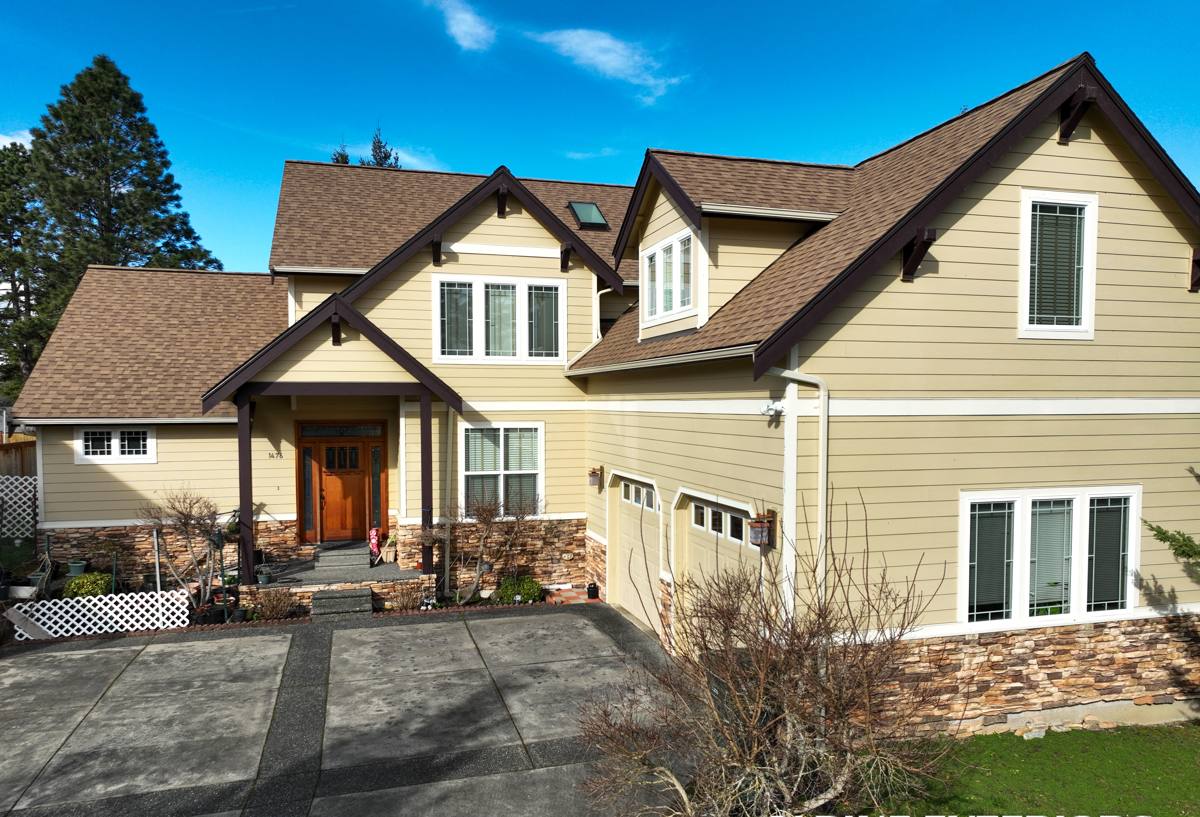
Shoreline has a mix of older mid-century houses, postwar ramblers, and newer infill construction. Many of the older homes have window openings that were framed before manufacturers standardized sizes, or that have settled slightly over the decades. A true custom window is built to the actual opening as it exists today, not to the nearest stock size with shims and extra caulk making up the difference. That matters more here than in a dry climate, because every gap filled with caulk instead of a proper frame fit is a future leak path once the rain starts driving sideways.
Correcting Problems, Not Just Covering Them
A lot of "custom" work in this area is really about fixing what's underneath the old window: rotted sill framing, missing or failed flashing tape, insulation that's been wet for years and never dried out. Installing a beautiful new window over a compromised opening just hides the problem for a while. Doing it right means addressing the opening itself as part of the job.
Frame Materials: What Holds Up Near Salt Air and Constant Moisture
Every frame material has tradeoffs, and in a marine climate those tradeoffs matter more than the marketing brochures suggest. Here's how the common options actually perform in conditions like Shoreline's.
| Material | Moisture & Salt Air Performance | Maintenance | Typical Tradeoff |
|---|---|---|---|
| Vinyl | Good — won't rot or corrode, handles salt air well | Low — occasional cleaning | Limited color/paint options; can flex in large sizes |
| Fiberglass | Excellent — very stable, resists moisture and salt exposure | Low | Higher upfront cost than vinyl |
| Wood (unclad) | Poor to fair without diligent upkeep — moisture and salt air accelerate wear | High — regular painting/sealing required | Best appearance for historic-style homes, but demands ongoing care in this climate |
| Wood-clad (aluminum or vinyl exterior) | Good on the exterior face; interior wood still needs protection from any leak | Moderate | Failure at the cladding seam can trap moisture against wood if installed poorly |
| Aluminum (non-thermally-broken) | Prone to condensation and corrosion over time in wet, cool climates | Moderate | Poor thermal performance; we don't recommend it for this climate |
Our standard recommendation for most Shoreline homes is vinyl or fiberglass for the best balance of moisture resistance, low upkeep, and cost. For homes where the look of true wood matters — often older or architecturally distinct houses — a wood-clad option can work, but only with careful attention to how the cladding is sealed at the joints, since a failure there traps moisture against the wood core where you can't see it happening.
Glass and Weatherproofing: Where the Real Performance Lives
Glass Packages
Dual-pane glass with a Low-E coating and argon gas fill is the practical standard for this region — it cuts heat loss, reduces condensation on the interior glass surface, and helps with the glare off overcast Puget Sound skies. Triple-pane is available and adds a bit more performance, but the cost premium usually makes more sense for north-facing rooms or busier streets where the extra sound dampening is also a benefit.
The Install Details That Actually Stop Leaks
Glass gets the attention, but in a climate with driving rain, the flashing and sealing details around the frame are what actually keep water out. A correct install includes proper sill pan flashing, weather-resistant barrier integration with the house wrap, and backer rod and sealant at the right joints — not just a bead of caulk around the trim. This is the part of the job that's invisible once it's finished, and it's also the part most likely to be rushed on a low-bid job.
Signs Your Current Windows Are Already Losing the Battle
- Fogging or moisture trapped between panes — the seal has failed and the glass unit needs replacing
- Visible moss or dark staining building up on the sill or lower frame
- Wood trim that feels soft, spongy, or discolored around the window
- Drafts you can feel near the frame even with the window fully latched
- Windows that are hard to open, close, or lock — frames can warp or swell with sustained moisture exposure
- Rising heating bills without any other clear explanation
- Paint or finish that's peeling or bubbling on the interior sill, which often points to a leak rather than just old paint
Any one of these on its own might not mean a full replacement is needed. Several together, especially combined with visible moss or soft wood, usually means the window and possibly the framing around it need attention before another wet season passes.
How We Approach a Custom Window Job
- On-site assessment. We look at the actual opening, the condition of the framing and sill, and how water has been behaving around that window historically — not just the glass.
- Material and glass recommendation. Based on the home's exposure to wind, rain, and salt air, we recommend frame material and glass package rather than pushing a single product line.
- Precise measurement and ordering. Custom units are built to the real opening, accounting for any out-of-square conditions common in older Shoreline homes.
- Opening prep. Any rot, failed flashing, or wet insulation is addressed before the new window goes in — this is the step that gets skipped on rushed jobs and causes problems years later.
- Installation with proper flashing and sealing. Sill pan, house wrap integration, and sealant details are done to hold up through a full Puget Sound winter, not just look finished on install day.
- Final check. Operation, seal, and finish are checked before we consider the job done.
Why a Crew That Already Works Shoreline Matters
Window installation quality depends heavily on judgment calls made on-site — how to handle an out-of-plumb opening, whether existing flashing can be reused or needs to be replaced, how much drying time an opening needs before it's closed back up. A crew that regularly works homes in Shoreline and the surrounding King County area has already seen the common construction patterns, typical problem spots, and how local weather affects install timing and curing of sealants. That experience shows up in fewer callbacks and fewer surprises once the rain starts again.
There's also a practical side: a local crew can respond quickly if something needs a follow-up look, and understands realistic weather windows for exterior work in this area rather than working off a generic install schedule built for a drier climate.
What Cost Depends On
We don't publish flat prices because the real cost drivers vary a lot house to house. In general, expect the final number to be shaped by:
| Factor | Why It Matters |
|---|---|
| Number and size of windows | Larger openings and full-house jobs have different economies of scale than a single replacement |
| Frame material chosen | Vinyl, fiberglass, and wood-clad carry different material costs |
| Condition of the existing opening | Rot repair or re-flashing adds labor beyond the window itself |
| Custom vs. standard sizing | True custom-built units cost more than stock sizes but avoid gaps and shimming |
| Access and site conditions | Second-story or hard-to-access windows take more time and equipment |
Broadly, homeowners in this area should expect per-window costs to range from budget-friendly for a simple standard-size vinyl swap up to a significant premium for full custom fiberglass or wood-clad units with opening repair included. A site visit is really the only honest way to give a number.
Living With Custom Windows in a Wet Climate
Once new windows are in, a little seasonal attention goes a long way in this climate. Rinse pollen and grime off the exterior a couple times a year, keep an eye on sills for any moss regrowth in shaded spots, and check that weep holes on vinyl and fiberglass frames stay clear so water can drain out as designed. If you chose a wood or wood-clad option, plan on inspecting exposed wood surfaces annually and touching up finish before it fails, since catching it early is far cheaper than repairing rot later.
If your Shoreline home's windows are showing their age, fogging, drafting, or growing moss they shouldn't be, we're happy to take a look and give you a straight assessment — no pressure, no upsell. Fill out the form below for a free estimate and we'll walk the property with you.