 Seattle
 Building Decks That Actually Hold Up in Shoreline
Shoreline sits right along Puget Sound, which means homes here deal with a specific combination of weather that a lot of generic deck-building advice doesn't account for: salt-tinged air off the water, long stretches of driving rain through fall and winter, and a moss season that can run most of the year on shaded or north-facing sections of a yard. A deck built without those three factors in mind will look fine for a year or two and then start showing problems — soft spots, rust streaks, slick boards, gaps opening up between decking. This page walks through what a Custom Decks project in Shoreline actually needs to hold up long-term, what our process looks like, and why the details matter more here than they would in a drier climate.
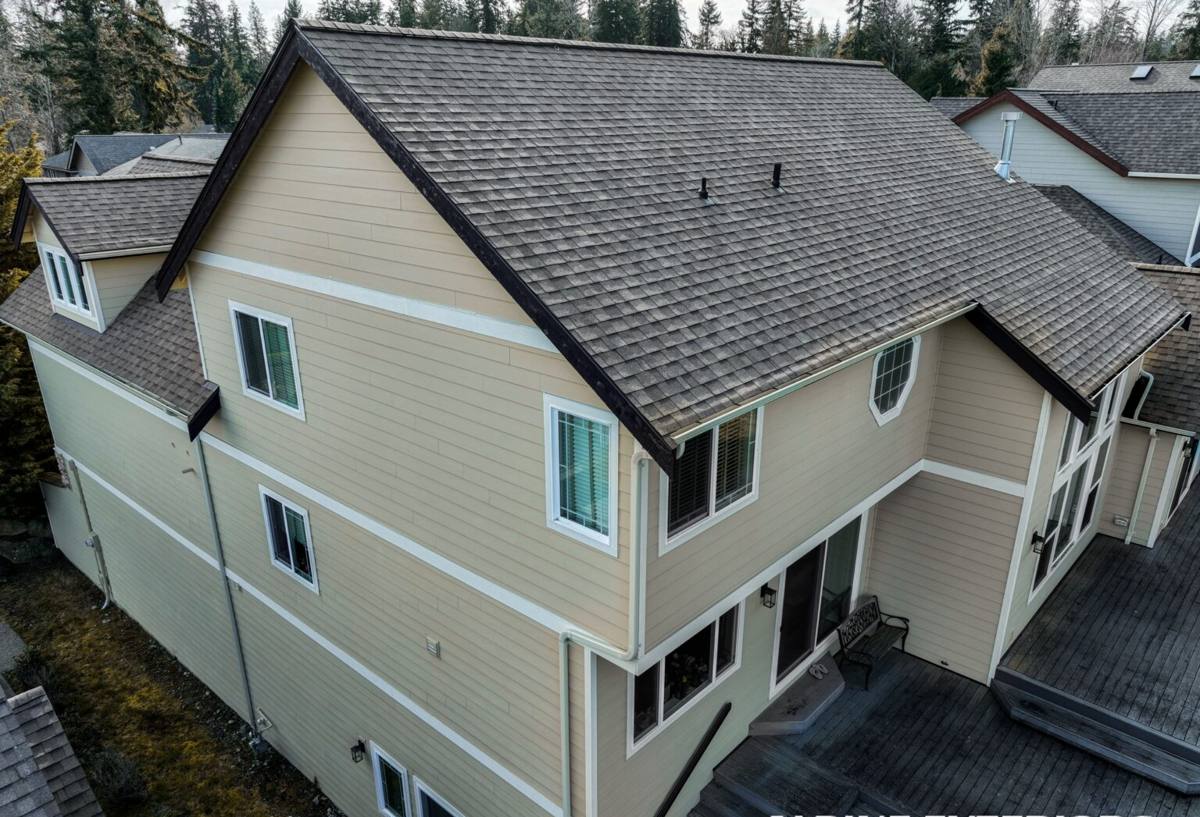
What Shoreline's Climate Does to a Deck Over Time
King County gets plenty of rain overall, but proximity to the Sound adds a layer most inland decks don't deal with: airborne salt and moisture that accelerates corrosion on anything metal. Combine that with shaded yards, mature trees, and a marine layer that keeps surfaces damp longer than people expect, and you get three predictable failure points.
Salt Air and Metal Fasteners
Standard coated deck screws and joist hangers are rated for general outdoor use, not for sustained exposure to salt-laden air. Over a few seasons near the water, that hardware can start to corrode from the inside of the connection out — often invisible until a board is loose or a hanger has weakened. This is one of the most common corner-cutting mistakes we see in decks built by crews that don't normally work this close to the Sound.
Standing Water and Rot
Driving winter rain doesn't just fall straight down — wind off the water pushes it sideways, under railings, and into ledger board connections and joist ends if they aren't properly flashed. Once water gets trapped against wood framing, rot sets in from the inside, which means by the time it's visible on the surface, the damage underneath is usually further along than it looks.
Moss and Slip Hazards
Shaded decks, especially under tree cover or on the north side of a house, stay damp long enough for moss and algae to establish. Beyond looking bad, a mossy deck surface is genuinely slippery, and moss holds moisture against the board surface, which shortens the life of both wood and some composite products if it isn't addressed.
Choosing Decking Material for This Specific Climate
There's no single "best" decking material — the right choice depends on how much sun the deck gets, how much maintenance the homeowner wants to do, and budget. Here's how the common options actually perform in Shoreline's conditions specifically:
| Material | Moss/Moisture Resistance | Maintenance | Typical Lifespan Here |
|---|---|---|---|
| Pressure-treated wood | Fair — needs sealing to resist moss and rot | Annual cleaning and re-sealing recommended | 10-15 years with upkeep |
| Cedar | Good natural rot resistance, but surface still hosts moss in shade | Periodic cleaning and oil/stain | 15-20 years with upkeep |
| Capped composite | Very good — non-porous cap resists moss growth and moisture absorption | Occasional washing, no sealing | 25-30 years |
| PVC decking | Excellent — fully synthetic, doesn't absorb moisture | Lowest — soap and water | 25-30+ years |
For shaded, damp lots — which describes a lot of Shoreline properties with mature tree cover — we generally steer homeowners toward capped composite or PVC on the areas that stay wet longest, and reserve real wood for sunnier decks where a homeowner is willing to keep up with sealing. This isn't a knock on wood as a material; it's about matching the product to how much sun and airflow a specific deck actually gets.
What a Correctly Built Deck Requires Here
The visible decking boards get all the attention, but the parts that determine whether a deck lasts are underneath and behind the surface.
Footings Set to Frost Depth
Footings need to be dug to the depth required by King County code for this area, not just poured shallow to save time. Undersized or shallow footings are one of the most common causes of a deck that develops a slight lean or bounce within a few years.
Ledger Board Flashing
Where a deck attaches to the house, proper flashing — installed in the correct layered order with the house's existing weather barrier — is what keeps driving rain from working its way behind the siding and into the rim joist. This connection point is, by a wide margin, the single most common source of hidden rot we find when repairing older decks in this area.
Fasteners and Hardware Rated for the Environment
Given the salt air off the Sound, we use stainless steel or heavy-duty coated fasteners and hangers rated for coastal-adjacent exposure rather than standard-grade hardware. It costs more up front and makes no visual difference, but it's the difference between hardware that's still sound in fifteen years and hardware that's rusting through in five.
Proper Spacing and Ventilation
Boards need consistent gapping for drainage and airflow underneath the structure. Tight, poorly ventilated decking traps moisture against the joists and accelerates both rot and moss growth on the underside where nobody sees it until there's a problem.
Our Process for a Shoreline Deck Project
Every deck we build in Shoreline follows the same sequence, adjusted for the specific lot:
- Site visit and assessment — we look at sun exposure, tree cover, drainage patterns, and how close the deck is to the water, since that affects material and hardware recommendations.
- Design and material selection — sized and laid out for the house, with decking and hardware chosen based on the shade and moisture conditions of that specific spot.
- Permitting — we handle the permit application and inspection scheduling required for the project so the homeowner isn't navigating that process alone.
- Framing and flashing — footings, ledger attachment, and flashing done first and correctly, since this is the structural work that determines longevity.
- Decking, railing, and finish work — surface materials installed with proper spacing, followed by railing, stairs, and any built-in features.
- Final walkthrough — we go over the finished deck with the homeowner, including basic care specific to the materials used.
Permitting in Shoreline
Most new deck construction and many significant deck replacements require a permit in Shoreline, and inspections typically happen at the footing stage and again at completion. Skipping this step — or hiring a crew that does — can create real problems at resale, since unpermitted structural work is something buyers' inspectors are trained to flag.
Drainage and Moss Prevention Built Into the Design
Since moss and standing moisture are the two biggest long-term threats to a deck in this area, we build in several things at the construction stage rather than leaving them as after-the-fact maintenance problems:
- Grading and drainage routing so water isn't pooling underneath or against the house foundation
- Board spacing sized for proper drainage rather than a tighter look that traps moisture
- Under-deck ventilation gaps so airflow can dry out the structure between rain events
- Material selection favoring non-porous decking in heavily shaded sections
- Railing and post connections detailed to shed water rather than pocket it
Maintenance That Actually Matters Here
Even a well-built deck needs some seasonal attention in this climate. The good news is that it's manageable if it's done consistently rather than only when moss or damage is already visible.
- Sweep debris and standing leaves off the surface regularly through fall, since wet leaves left in place accelerate moss growth
- Wash the deck surface at least once a year to remove moss and algae before it establishes
- Check and re-seal wood decking on the schedule appropriate to that product — composite and PVC don't need this
- Inspect railing posts and stair connections annually for any looseness
- Keep gutters and downspouts near the deck clear so overflow isn't draining onto the structure
Why Hiring a Crew That Already Works in Shoreline Matters
A lot of the decisions above — hardware grade, material choice for shaded lots, flashing details, permit requirements — aren't things a homeowner should have to know going in. They're things a contractor who regularly builds decks in this specific part of King County already accounts for by default, because we've seen what happens when they're skipped. A crew that mostly works drier, inland areas may not think twice about standard-grade fasteners or skip the extra flashing detail at the ledger board, not out of carelessness, but because it simply isn't a habit where they usually work. In a climate with salt air, sustained rain, and a real moss season, those habits are the difference between a deck that needs major repair in eight years and one that's still solid in twenty-five.
Get a Straightforward Estimate
If you're considering a new deck or replacing an aging one in Shoreline, we're happy to take a look and walk you through options, materials, and realistic costs for your specific property — no pressure, no obligation. Use the form below to request a free estimate.