 Seattle
 Window Installation in Green Lake
Green Lake's mix of older bungalows, mid-century ramblers, and newer infill homes all share one problem: Seattle's climate is hard on windows. Long stretches of driving rain, humid air off the lake itself, and months of low sun that keep moisture from drying out fully all add up. A window that's installed correctly can handle decades of that. A window that's installed even slightly wrong — a bad flashing lap, missing sill pan, gap in the sealant — starts letting water in behind the trim within a few seasons, and by the time you see it on the inside, the sheathing underneath has usually been wet for a while.
We install windows in Green Lake and the surrounding Seattle neighborhoods regularly, which matters more than it sounds like. The right window and the right installation method depends on what's behind your siding, how your home was originally built, and how much weather exposure a given wall actually gets — and that's easier to judge correctly when you've already worked on houses just like it nearby.
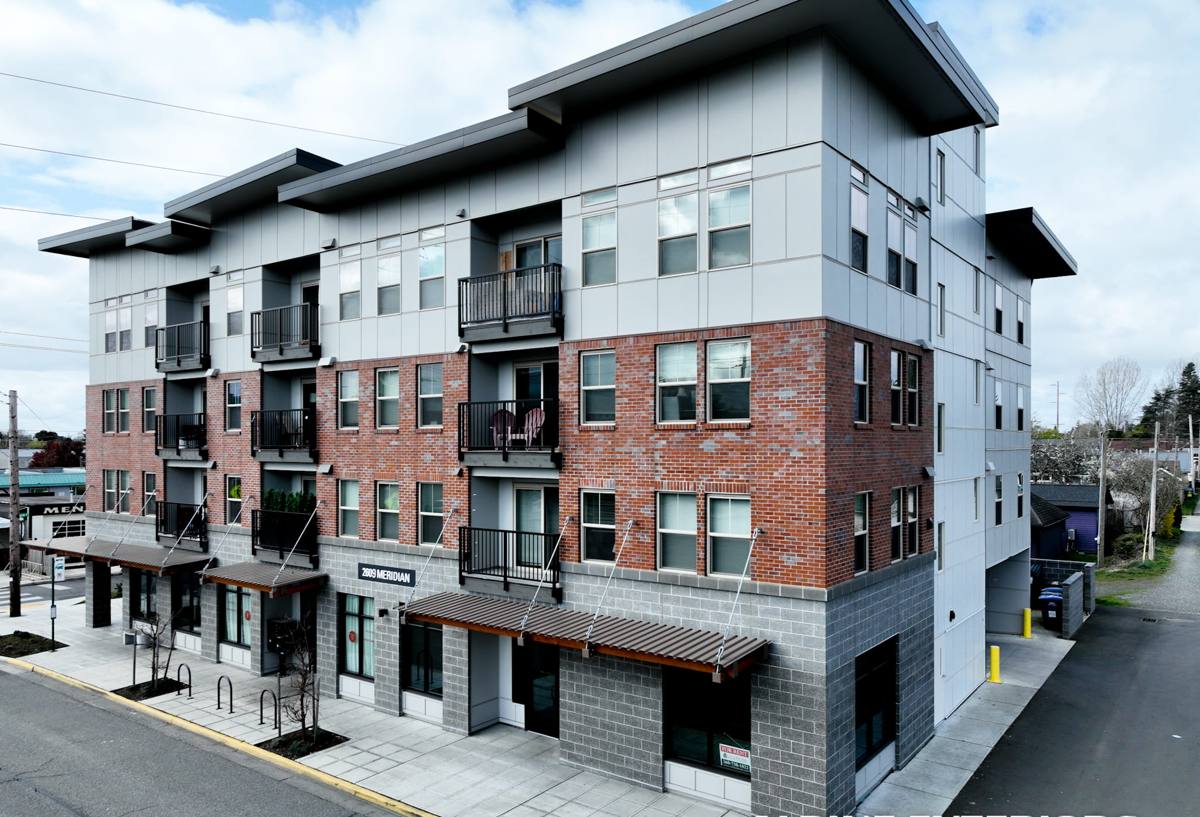
Why Green Lake's Climate Is Tougher on Windows Than It Looks
Green Lake doesn't get the harsh freeze-thaw cycles of colder climates, but it gets something arguably harder on window installations: sustained moisture. Rain here tends to come in long, low-intensity systems rather than short heavy storms, which means water has more time to find its way into any gap that exists. Add in the lake-adjacent humidity and the moss and algae growth that thrives in shaded, damp King County yards, and you've got conditions that punish shortcuts.
A few specific things we watch for on Green Lake homes:
- Older single-pane or early double-pane windows with failed seals, visible fogging between panes, or wood frames that have started to soften
- Homes with mature tree cover, which keeps siding and window trim damp longer after rain and accelerates rot around poorly sealed openings
- Original 1940s-60s construction where window openings were never built with modern flashing details, meaning any past window swap may have just reused an inadequate opening
- North- and west-facing walls that catch the bulk of driving rain and see the least sun exposure to dry out
What "Correct" Actually Means Here
A correct window installation in this climate isn't just about the window unit itself — it's about everything around it. The window is only as good as the opening it sits in. That means a proper sill pan to catch and direct any water that does get past the window, correctly lapped flashing tape integrated with the home's water-resistive barrier (not just caulked over it), and sealant details that let the assembly drain outward instead of trapping moisture inside the wall.
Signs a Green Lake Home Needs Window Attention
Homeowners usually notice symptoms long before they know the cause. Some common ones we see on service calls in this area:
- Drafts or cold spots near the window frame even when the window is closed
- Fogging or condensation between the panes — a sign the seal has failed and the insulating gas is gone
- Soft or discolored trim and sill wood, especially on north- or west-facing walls
- Visible daylight or a whistling sound around the frame during windy rain
- Difficulty opening, closing, or locking a window that used to operate smoothly
- Paint bubbling or peeling on interior window trim, often a sign of moisture working its way in from outside
Any one of these on its own might just mean the window is old. Several together, especially combined with visible moss or algae staining nearby on the siding, usually means moisture has been getting past that opening for a while.
Our Installation Process
1. Assessment
We start by looking at the existing window and, just as importantly, what's around it — trim condition, siding type, any visible water staining, and how exposed that particular wall is to wind-driven rain. This tells us whether a straightforward insert replacement is appropriate or whether the opening needs to come down to the framing for a full-frame replacement with new flashing.
2. Removal and Opening Prep
Once the old window is out, we inspect the sill and framing for rot or moisture damage before anything new goes in. Installing a new window over a compromised opening just delays the same problem — it doesn't fix it. Any soft or damaged wood gets addressed before the new unit goes in.
3. Flashing and Sill Pan
This is the step that determines whether a window lasts 20 years or leaks in 3. We install a sloped sill pan and properly lap the flashing tape with the house wrap so water is always directed outward and downward, never trapped against the sheathing.
4. Setting and Sealing the Window
The window is set level and plumb, shimmed correctly so it doesn't bind or sag over time, and sealed with a system that allows drainage rather than a solid bead of caulk that can trap moisture behind it.
5. Trim and Final Check
Interior and exterior trim is reinstalled or replaced, and we do a final operational check — opening, closing, locking, and looking for any daylight gaps — before we consider the job done.
Choosing the Right Window for a Green Lake Home
There's no single "best" window for every house — it depends on your home's age, exposure, and your priorities around cost, maintenance, and appearance. Here's how the common options generally compare for this climate:
| Frame Material | Moisture Performance | Maintenance | Typical Fit |
|---|---|---|---|
| Vinyl | Good — won't rot, handles sustained damp exposure well | Low | Cost-conscious replacements, rentals, most home styles |
| Fiberglass | Very good — dimensionally stable in temperature and moisture swings | Low | Homes wanting durability and a longer service life |
| Wood (clad exterior) | Good if maintained — the exterior cladding protects the wood core | Moderate — interior wood may need occasional attention | Older or historic-style Green Lake homes wanting a traditional look |
| Aluminum | Fair — can conduct cold and contribute to condensation in our humidity | Low | Less common for residential; sometimes used in specific architectural styles |
We'll walk through these tradeoffs honestly based on your home, rather than pushing one material for every job. What matters more than the frame material, in most cases, is whether the installation itself is done right.
Glass Packages Worth Knowing About
Most replacement windows today come standard with double-pane, low-E glass, which helps with both energy efficiency and comfort near the window. In a climate like ours, argon-filled units and warm-edge spacers are worth the modest upcharge — they reduce condensation risk on interior glass during cold, damp stretches, which is a common complaint we hear from Green Lake homeowners with older single-pane or failed-seal windows.
Cost Factors to Expect
Every home is different, but the main variables that move the price on a window installation are consistent:
| Factor | Why It Matters |
|---|---|
| Insert vs. full-frame replacement | Full-frame work involves more labor and materials but is necessary when framing or flashing needs repair |
| Window size and configuration | Larger openings, bays, and multi-window combinations cost more than a standard single unit |
| Frame material | Vinyl is typically the most budget-friendly; fiberglass and clad wood cost more upfront |
| Existing damage | Rot repair to sills or framing adds time and material before the new window can go in |
| Number of windows | Doing several windows in one visit typically brings a better per-window cost than one at a time |
We'll always give you a clear, itemized estimate before work starts, and we'll flag any hidden damage we find during removal before proceeding — no surprise charges after the fact.
Why Local Experience Matters for This Job
Window installation looks similar everywhere on paper, but the details that make it hold up over time are specific to the climate and the housing stock. A crew that mostly works drier regions may not think twice about a flashing detail that's genuinely optional there but is the difference between a dry wall and a rot problem here in King County. We work Green Lake and the broader Seattle area regularly, so we already know what these homes tend to need — where moisture problems typically start, which original construction details need extra attention, and how to sequence the work so your home isn't exposed to open weather any longer than necessary.
We also stand behind the work. If an installation isn't performing the way it should, you should be able to reach the people who did it — not a call center.
Get a Free Estimate
If you're dealing with drafty, fogged, or hard-to-operate windows in Green Lake, or you're just planning ahead before the next rainy stretch, we're happy to take a look and give you an honest assessment — no pressure, no obligation. Use the form below to request a free estimate.