 Seattle
 Roof Replacement in Columbia City
Columbia City homes take a steady beating from Seattle's marine climate. Between the long stretches of driving rain, the humidity that never fully lets up, and the moss that finds a foothold on almost any north-facing slope, a roof here works harder than it would in a drier part of the country. Replacing a roof isn't just about swapping out worn shingles — it's about building a roof system that can shed water fast, resist moss and moisture year-round, and hold up through Puget Sound's marine air without needing constant attention.
This page covers what a correct roof replacement looks like for a Columbia City home, what signs mean it's time, how materials compare, and how our process works from first inspection to final walkthrough.
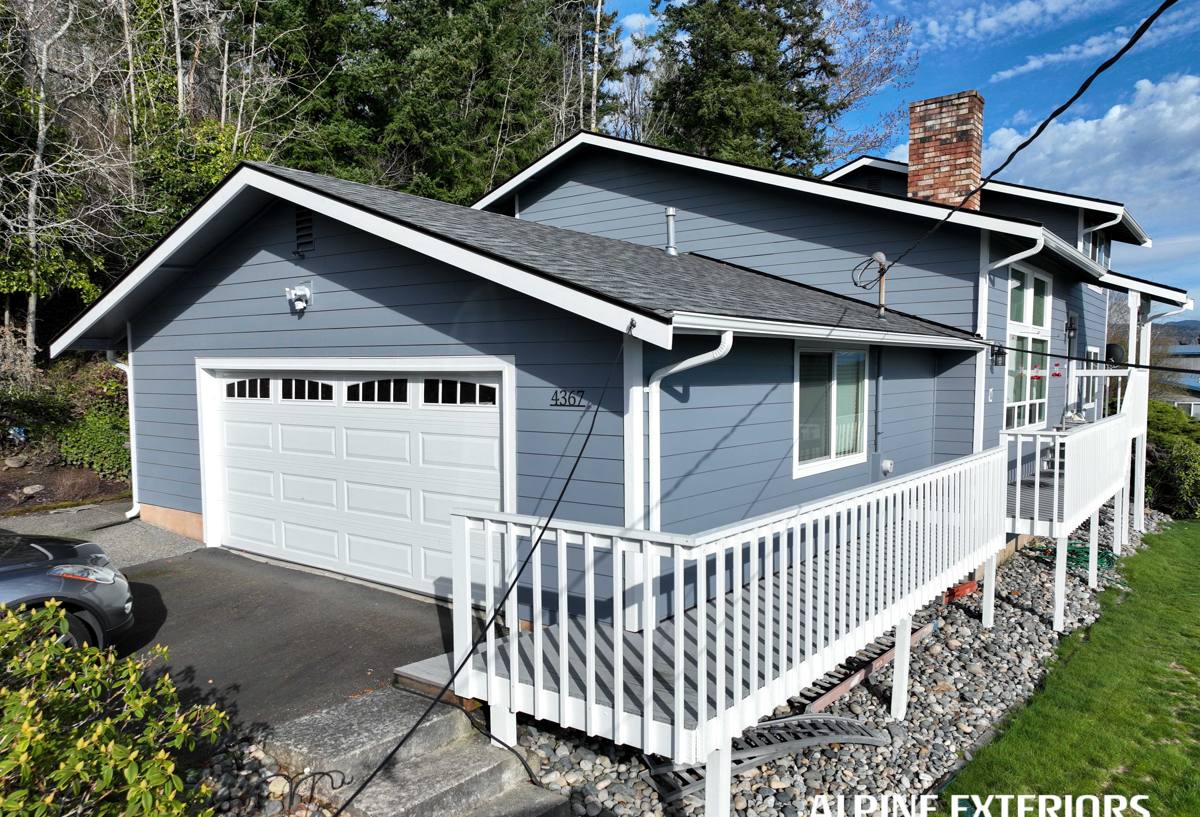
How Columbia City's Climate Wears Down a Roof
Seattle's weather is more corrosive to a roof than most homeowners realize, mostly because it's persistent rather than dramatic. A few things stand out in this part of King County:
Driving Rain and Wind-Driven Moisture
Rain in the Puget Sound region rarely falls straight down. Wind pushes it sideways, which means it works its way up under shingle edges, around flashing, and into any gap that a fair-weather roof detail would get away with. Underlayment quality and flashing work matter more here than in climates with less horizontal rain.
A Long Moss Season
Shaded roof sections, north-facing slopes, and anywhere debris collects give moss months at a time to establish itself. Moss holds moisture against the roof surface, lifts shingle edges as it grows, and accelerates granule loss. A roof that isn't detailed and treated with moss growth in mind will show problems years before it should.
Marine Air and Moisture Exposure
Even homes set back from open water sit inside a marine climate that keeps humidity elevated for much of the year. That constant moisture load affects metal flashing, fasteners, and any component that isn't rated for a wet environment, which is part of why material selection and detailing matter more here than in a dry climate.
Signs Your Columbia City Home Needs a Roof Replacement
Not every roof problem calls for full replacement — plenty can be handled with a repair. But certain signs mean patching is no longer the honest answer:
- Shingles that are curling, cupping, or losing granules across large sections rather than one isolated spot
- Moss or algae staining that keeps returning within a season or two of cleaning
- Daylight visible through the roof deck from inside the attic
- Soft or spongy spots when walking the roof, which usually means the decking underneath has taken on water damage
- Leaks that show up in more than one room or reappear after being patched
- A roof that's at or past the expected lifespan for its material, especially if the last major work was done more than 20 years ago
- Multiple layers of shingles already on the roof from prior overlays, which limits how a repair can be done properly
If you're only seeing one or two of these, a repair or targeted maintenance may still be the right call. We'll tell you honestly which situation you're in rather than push a replacement you don't need yet.
Choosing the Right Roofing Material for This Climate
Material choice matters more in a wet, moss-prone climate than in most parts of the country. Here's how the common options stack up for a Columbia City home:
| Material | How It Handles This Climate | Maintenance | Typical Lifespan |
|---|---|---|---|
| Architectural asphalt shingle | Good performance with proper ventilation and moss-resistant granules; the most common choice locally | Periodic moss treatment and gutter/debris clearing | 25–30 years |
| Standing seam metal | Sheds water and moss growth extremely well; strong choice for steep or shaded roof planes | Low; occasional fastener and seam checks | 40–50+ years |
| Cedar shake | Traditional look but holds moisture and needs consistent upkeep to resist rot and moss in a wet climate | High; regular treatment and inspection | 20–30 years with upkeep |
| Synthetic/composite shingle | Resists moisture absorption well; performs consistently through the wet season | Low to moderate | 30–50 years |
For most Columbia City homes, a well-detailed architectural asphalt shingle system with algae-resistant granules and proper ventilation delivers the best balance of upfront cost, appearance, and long-term performance. Metal is worth serious consideration on steep or heavily shaded roof planes where moss pressure is highest. We'll walk your specific roof and talk through which option actually fits your home rather than default to one product for everyone.
What a Correct Roof Replacement Actually Involves
A roof replacement is more than laying new shingles over what's there. Done right, it includes:
Full Tear-Off and Deck Inspection
We remove existing roofing down to the deck so we can actually see what's underneath. Any soft, delaminated, or water-damaged decking gets replaced before anything new goes down — covering over a compromised deck just hides the problem.
Ice and Water Shield at Vulnerable Areas
Eaves, valleys, and areas prone to wind-driven rain get a self-adhering waterproof membrane underneath the primary underlayment. This is one of the details that matters most in a climate with as much sideways rain as ours.
Proper Flashing at Every Penetration
Chimneys, vents, skylights, and roof-to-wall transitions are where most leaks actually start. Correct step flashing, counterflashing, and sealant work at these points is non-negotiable in a wet climate.
Balanced Attic Ventilation
Intake at the soffits and exhaust at the ridge keep moist air moving out of the attic instead of condensing against the underside of the deck. Poor ventilation shortens the life of any roof, but it's especially costly here given how much moisture the air already carries for much of the year.
Moss-Resistant Material Choices
Where appropriate, we use shingles with zinc or copper granule strips, or recommend zinc/copper strip installation, to slow future moss growth on shaded slopes.
Our Roof Replacement Process
- Inspection and estimate: We walk the roof, check the attic for ventilation and moisture issues, and give you a clear, honest assessment — including if a repair would serve you better than a full replacement.
- Material and scope discussion: We go over material options, what your roof's pitch and shading mean for moss resistance, and a written scope so there are no surprises.
- Permitting: Roof replacements in Seattle typically require a permit through the city; we handle that process as part of the job.
- Installation: Tear-off, deck repair as needed, underlayment and ice/water shield, flashing, new roofing material, and ventilation components — installed in the sequence that actually protects the home, not the fastest sequence.
- Cleanup and magnetic sweep: Full site cleanup, including a nail sweep of the yard and driveway.
- Final walkthrough: We review the finished roof with you and go over any maintenance recommendations specific to your property's sun and shade exposure.
Ventilation and Moisture: Why It Matters More Here
A roof replacement is also a chance to fix ventilation problems that a straight shingle swap wouldn't touch. In a climate where humid air is the norm rather than the exception, an under-ventilated attic traps moisture against the roof deck, which can lead to premature decking rot, mold, and shortened shingle life from the underside — often before it's ever visible from the outside. When we replace a roof, we check soffit and ridge ventilation as a standard part of the job, not an upsell.
What Affects the Cost of a Roof Replacement
Every roof is different, and the only way to give you an accurate number is to inspect the actual roof. In general, the factors that move the price most are:
- Total roof size and how many planes and angles it has
- Pitch — steeper roofs take longer and require more safety setup
- Whether the existing deck needs repair or full replacement
- Material chosen — asphalt, metal, and composite options carry different material and labor costs
- Number of penetrations (chimneys, vents, skylights) requiring flashing work
- Access to the property and how the roofing material and debris need to be moved
Most full asphalt shingle roof replacements in the greater Seattle area fall into a broad range depending on these factors, and we'll give you a firm, itemized number after an on-site look rather than a rough guess over the phone.
Why Hire a Crew That Already Works Columbia City
Columbia City's housing stock includes a mix of older homes and newer construction, each with its own roofing quirks — from original framing that wasn't built with modern ventilation in mind, to additions where roof planes meet in ways that create extra flashing work. A crew that already works in this King County neighborhood knows what to look for on that kind of roof, understands Seattle's permitting process, and isn't guessing at how the local climate will treat the materials it installs. Seattle Exterior crews work throughout the Columbia City area and the broader Seattle market, which means faster scheduling, familiarity with the permitting office, and a realistic sense of how a given roof will actually perform through a Pacific Northwest winter — not just how it looks on installation day.
If your roof is showing its age or you just want an honest opinion on where it stands, we're glad to take a look. Use the form below to request a free, no-pressure estimate and we'll get back to you with next steps.