 Seattle
 Roof Repair Built for Redmond's Climate
Redmond sits in the same wet, mild, moss-friendly climate as the rest of the greater Seattle area, but homes here carry their own mix of roof ages and styles — from older cedar-shake-turned-composition reroofs to newer subdivisions with architectural shingles and a fair number of homes with more complex rooflines from tree-canopy lots. What all of them share is exposure to the same pattern: long stretches of low-intensity rain, short bursts of driving rain off Puget Sound weather systems, and a moss season that can run eight months or more out of the year. Roof repair here isn't just about patching a leak — it's about understanding why King County roofs fail the way they do, and fixing the actual cause instead of the symptom.
A roof repair crew that works Redmond regularly has already seen how the local combination of tree cover, humidity, and rainfall intensity plays out on real roofs. That familiarity matters more than it sounds like it should, because a repair done without that context often addresses the visible damage but leaves the underlying moisture path untouched.
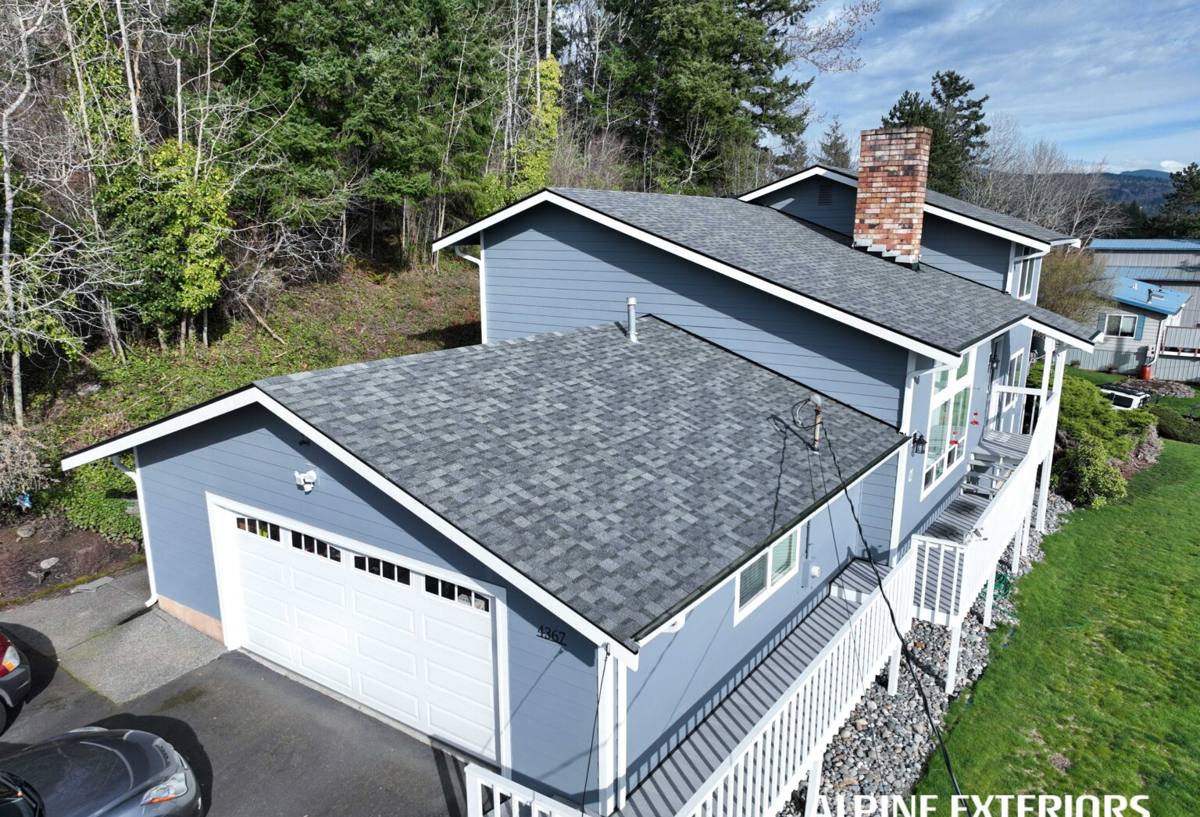
What Redmond's Climate Does to a Roof
Moss and Organic Growth
Redmond's tree cover and consistent moisture create ideal conditions for moss, lichen, and algae to take hold on roofing surfaces — especially on north-facing slopes and shaded sections that don't get much direct sun to dry out between rain events. Moss isn't just cosmetic. As it grows, it holds water against the roofing material, lifts shingle edges, and works its way under tabs and flashing over time. Left unchecked for a few seasons, moss growth is one of the most common reasons we get called out for a "mystery leak" that turns out to have a very ordinary cause.
Driving Rain and Wind-Driven Water
Most Puget Sound rain is soft and steady, but Redmond also gets periodic storms with real wind behind them. Wind-driven rain behaves differently than a normal downpour — it can push water sideways and upward under shingle tabs, around flashing edges, and into vent penetrations that would otherwise shed water fine. Repairs that don't account for wind-driven exposure sometimes hold up in mild weather and then fail during the next real storm.
Prolonged Dampness and Slow Deterioration
It's rarely one big storm that causes damage in this region — it's the cumulative effect of a roof staying damp for extended periods. Underlayment breaks down faster, fasteners corrode, and wood decking can start to soften in spots where water has been sitting rather than draining. Salt-influenced air moving inland from the Sound can also accelerate corrosion on metal flashing, vents, and fasteners over the years, which is a detail that's easy to miss unless you're used to inspecting roofs in this specific region.
Signs a Redmond Roof Needs Repair
- Visible moss or dark streaking on shingles, especially on shaded or north-facing slopes
- Granules collecting in gutters or at downspout outlets
- Curling, lifting, or cracked shingle tabs, particularly near ridges and edges
- Water stains or discoloration on interior ceilings or in the attic
- Soft or spongy spots underfoot when walking the roof (a sign of decking damage)
- Rusted, loose, or missing flashing around chimneys, skylights, and vent pipes
- Sagging sections along the roofline or at valleys
- Daylight visible through the roof deck from inside the attic
Any one of these on its own might be minor. Several appearing together, or appearing shortly after a windstorm, usually means it's time for a proper inspection rather than a wait-and-see approach.
What a Correct Repair Actually Involves
A repair that's done right starts with figuring out where water is actually getting in — which is not always where the stain shows up inside. Water can travel along rafters or decking for several feet before it drips somewhere visible, so a repair based only on the ceiling stain location can miss the real entry point entirely.
Our Diagnostic Process
- Inspect the interior first — attic, ceiling stains, and any insulation that's been affected
- Get on the roof and trace the suspected leak path back to its source, checking flashing, penetrations, valleys, and shingle condition along the way
- Check the surrounding roofing material, not just the failure point — a leak at a vent boot is sometimes a symptom of shingles that are aging out nearby
- Identify contributing factors like moss buildup, poor attic ventilation, or clogged gutters that may have caused or worsened the failure
- Present the findings plainly, with repair options and honest expectations about what the fix will and won't address
Doing the Repair Itself
Once we know the cause, the repair itself typically involves removing the damaged material back to sound decking, addressing any wood rot found underneath, replacing underlayment and flashing as needed, and re-installing shingles or roofing material to match the surrounding roof as closely as possible. Flashing details — around chimneys, skylights, and wall-to-roof transitions — deserve extra attention in this climate, since these are the spots where wind-driven rain most often finds a way in.
Repair Versus Replacement: An Honest Comparison
| Factor | Repair Usually Makes Sense | Replacement Should Be Considered |
|---|---|---|
| Roof age | Under 15-20 years, isolated issue | Nearing or past expected lifespan overall |
| Extent of damage | Localized to one area or penetration | Widespread granule loss, curling, or multiple leak points |
| Decking condition | Sound, no widespread rot | Soft spots or rot found in multiple areas |
| Moss/algae coverage | Limited, treatable with cleaning | Heavy, long-term growth affecting shingle integrity |
| Cost over time | Lower upfront, may need repeat repairs | Higher upfront, resets the clock on the whole roof |
Most of the time, a targeted repair is the right call and we'll say so plainly. We'll also tell you directly if a roof is at the point where repeated repairs are just delaying an inevitable replacement — that's a judgment call we'd rather make honestly than string a homeowner along.
Materials and Fasteners That Hold Up Locally
Not every roofing product performs the same way in a wet, moss-prone climate, and repair material choices matter as much as the workmanship. We favor algae-resistant shingle products where a repair involves a visible or exposed section, since standard shingles in shaded areas will grow moss again within a season or two regardless of how clean the roof looks at completion. For flashing and fasteners, corrosion-resistant materials are worth the modest extra cost in a region with this much sustained moisture and occasional salt-influenced air — cheaper fasteners tend to show rust streaking and loosen years before they should.
We're also careful about matching new material to existing roofing as closely as possible. A repair that uses a mismatched shingle color or profile is a cosmetic issue today, but it also makes it harder to blend in future repairs down the line.
Attic Ventilation and Moisture Control
A roof repair is only as good as the moisture management working underneath it. Poor attic ventilation traps warm, moist air against the underside of the roof deck, which speeds up decking deterioration and can contribute to the same soft-spot and rot issues that bring us out for repairs in the first place. When we're already up in the attic diagnosing a leak, we'll flag ventilation problems if we see them — it's a lower-cost fix now that can prevent a much larger repair later.
Preventive Steps Between Repairs
- Have moss and organic growth removed before it spreads across a full slope, not after
- Keep gutters and downspouts clear so water has somewhere to go, especially during fall leaf drop
- Trim back overhanging branches to reduce shade, debris, and physical contact with the roof surface
- Schedule a roof check after any significant windstorm, even if nothing looks obviously wrong from the ground
- Address small flashing or fastener issues promptly rather than waiting for a full leak to develop
Why Local Experience Matters for This Work
A roof repair crew that already works throughout the Seattle area and King County has seen how these failure patterns play out across dozens of local roofs — which slopes tend to hold moss longest, which flashing details fail first in wind-driven rain, and which shingle products actually hold up under sustained Pacific Northwest moisture rather than just performing well on paper. That local pattern recognition shortens the diagnostic process and reduces the chance of a repair that treats the wrong problem.
It also means showing up with the right expectations about weather windows. Roofing work in this region has to work around rain, not just react to it, and a crew used to the local schedule plans repairs accordingly instead of promising timelines that don't hold up against actual Redmond weather.
Get an Honest Look at Your Roof
If you're seeing moss buildup, a ceiling stain, or just want a second opinion before committing to a bigger repair, we're happy to take a look. The estimate is free, there's no pressure to move forward, and we'll tell you plainly what we find and what it would take to fix it right.