 Seattle
 Roof Repair in Green Lake: Built for This Neighborhood's Weather
Green Lake's tree-lined streets and mature landscaping are part of what makes the neighborhood desirable, but that same canopy is hard on roofs. Overhanging branches drop needles and leaves into valleys and gutters year-round, shade keeps roof surfaces damp longer after every storm, and the humidity coming off the lake itself adds to a moisture load that Seattle roofs already carry for most of the year. Add in Puget Sound's salt-tinged air drifting across the region and the long stretch of driving rain that runs from fall through spring, and you get a climate that's tough on shingles, flashing, and anything with an exposed fastener.
We repair roofs on Green Lake homes regularly, from older bungalows and craftsman-style houses with steep-pitched comp shingle roofs to newer builds with low-slope sections over additions and garages. The repair approach is different for each, but the underlying problem is usually the same: water finds a weak point and Seattle's climate never gives it a chance to fully dry out before the next round of rain arrives.
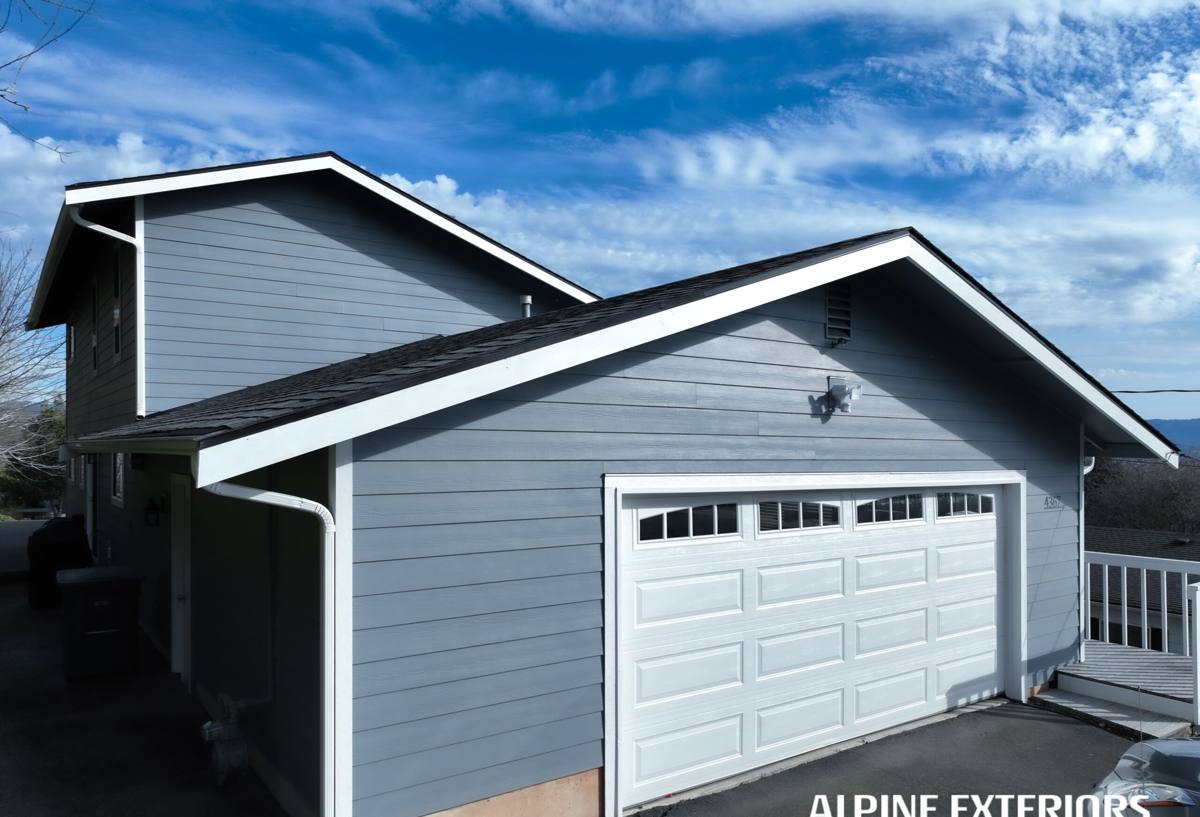
Why Roofs in This Part of Seattle Wear Differently
Moss Is a Season, Not a Nuisance
In King County, moss doesn't show up for a few weeks and disappear — it establishes itself over an extended wet season and keeps growing as long as shade and moisture are present. On a shaded lot near Green Lake, moss can take hold on north-facing slopes and anywhere debris collects, working its way under shingle tabs and lifting them just enough to let water in. Left alone, it doesn't just look bad; it shortens the life of the roofing material underneath it.
Tree Debris and Clogged Drainage
Needles, leaves, and small branches collect in valleys, behind chimneys, and in gutters faster on tree-heavy lots than on open ones. When water can't drain where it's supposed to, it backs up under shingles or over-tops gutters and runs down fascia boards. This is one of the most common causes of localized leaks we find on Green Lake service calls, and it's often fixable without a full roof replacement.
Driving Rain and Wind-Driven Moisture
Seattle storms don't always fall straight down. Wind-driven rain pushes moisture sideways under shingle edges, around vent boots, and into flashing laps that are only marginally out of alignment. A flashing detail that would hold up fine in a drier climate can fail here simply because it's tested by sideways rain dozens of times a year.
Signs a Green Lake Roof Needs Repair
Most roof failures give warning signs before they turn into a ceiling stain or an active drip. Homeowners in this neighborhood should watch for:
- Dark streaking or thick moss growth, especially on shaded or north-facing slopes
- Granules collecting in gutters or at downspout outlets (a sign shingles are wearing thin)
- Curling, cracked, or lifted shingle tabs, particularly near valleys and roof edges
- Rust staining or visible gaps around flashing at chimneys, skylights, and vent pipes
- Sagging or soft spots when walking the roof, which can indicate deck damage underneath
- Water stains on interior ceilings or in the attic, even if they're small or intermittent
- Daylight visible through the roof deck from inside the attic
- Gutters or downspouts that overflow during normal rain, not just heavy storms
Catching any of these early is usually the difference between a targeted repair and a much larger project once the roof deck itself is compromised.
What a Correct Roof Repair Actually Involves
A roof repair that lasts isn't just about patching the spot where water is showing up inside the house. Water often travels along the roof deck or underlayment before it appears as a stain, so the visible damage and the actual entry point can be several feet apart. A correct repair starts with tracing the leak to its real source, not just covering the symptom.
Depending on what we find, a repair on a Green Lake home might involve:
- Removing and replacing damaged or missing shingles, matched as closely as possible to the existing roof
- Re-flashing around chimneys, skylights, vent pipes, or dormers where laps have separated or corroded
- Replacing deteriorated underlayment in the affected section before new shingles go back down
- Repairing or rebuilding sections of roof deck that have soft spots from long-term moisture exposure
- Clearing and, where needed, repairing valleys and drainage paths so water sheds the way it's designed to
- Treating and removing moss, then addressing the shade or debris conditions that let it establish in the first place
On low-slope sections, which show up on additions and some garage roofs in this neighborhood, the repair approach is different from steep-slope shingle work. These systems rely on membrane laps and seams staying fully sealed, and a failure often means resealing or patching a specific section rather than replacing shingles.
Repair vs. Replacement: How We Help You Decide
Not every roof problem calls for a full replacement, and we won't push one when a repair will genuinely hold up. The right call depends on the roof's age, how widespread the damage is, and how much of the underlying deck is still sound.
| Factor | Favors Repair | Favors Replacement |
|---|---|---|
| Roof age | Under 15-20 years, remaining shingle life intact elsewhere | Near or past expected lifespan for the material |
| Extent of damage | Isolated to one section, valley, or flashing detail | Multiple areas failing, or granule loss across the whole roof |
| Deck condition | Solid, no widespread soft spots | Rot or soft decking found in more than one area |
| Moss and staining | Surface-level, treatable without lifting shingles | Moss has worked under shingles across large sections |
| Leak history | First occurrence or a known, isolated cause | Repeated leaks in different spots over recent years |
We walk the roof, take photos of what we find, and explain the reasoning in plain terms before recommending either path. If a repair is the honest answer, that's what we'll estimate.
Our Roof Repair Process
Inspection and Diagnosis
We start with a full roof walk, not just a look at the spot where a leak has shown up inside. That includes checking flashing, valleys, vent boots, gutters, and the general condition of the shingles or membrane, since moss and debris problems are rarely limited to one square foot.
A Clear, Written Estimate
Once we know what's actually going on, we put together a written estimate that spells out the scope of work, the materials involved, and the cost — no vague line items. If we find something during the inspection that changes the picture, like deck rot, we'll show you before any work starts, not after.
The Repair Itself
We work efficiently and keep the site clean, since most of this work happens on occupied homes. Debris and old materials are hauled off, not left on the property, and we take reasonable care to protect landscaping and gutters during the work.
Final Check and Documentation
Before we consider the job done, we walk the repair area again to confirm flashing laps, fastener patterns, and shingle alignment are correct, and we document the work performed so you have a record of what was done and when.
Ongoing Moss and Debris Maintenance
Because Green Lake's tree cover and lake-side humidity make moss and debris an ongoing issue rather than a one-time fix, a lot of homeowners benefit from a simple maintenance rhythm rather than waiting for a repair call.
| Task | Recommended Frequency | Why It Matters |
|---|---|---|
| Gutter and downspout clearing | 2-3 times per year, more under heavy tree cover | Prevents backups that push water under shingle edges |
| Moss treatment | Annually, before the wet season builds | Keeps moss from establishing and lifting shingles |
| Roof visual inspection | Once a year, or after major windstorms | Catches lifted shingles or flashing gaps early |
| Overhanging branch trimming | As needed, typically annually | Reduces shade, debris load, and physical abrasion on the roof |
Why a Crew That Already Works in Green Lake Matters
A roof repair estimate is only as good as the inspection behind it, and there's a real advantage to working with a crew that already understands the conditions in this part of Seattle. We know which failure points to check first on the shaded, tree-heavy lots common around Green Lake, how moss behaves differently on a lake-adjacent property than it does further inland, and where wind-driven rain tends to find its way in on older King County homes. That local familiarity means fewer surprises and a repair scope that's accurate the first time, not revised after we start pulling shingles.
It also means we're realistic about timelines. Seattle's wet season limits the windows for exterior work, and a local crew plans around that instead of leaving a repair half-finished when the weather turns.
Get an Honest Look at Your Roof
If you're dealing with a leak, visible moss, or just want a second opinion before a small problem grows into a bigger one, we're happy to take a look. Reach out for a free, no-pressure estimate using the form below, and we'll give you a straight answer about what your roof actually needs.