 Seattle
 Deck Repair for Green Lake Homes
Green Lake is one of Seattle's more heavily wooded residential pockets, and that's exactly what makes decks here age differently than decks in drier, more open parts of King County. Mature tree canopy keeps yards shaded and cool in summer, but it also means less direct sun hitting deck boards, more standing moisture, and a steady drop of leaves and needles into every gap and corner. Add Seattle's long wet season and the salt-tinged air that rolls in off Puget Sound on a west wind, and you get a climate that's genuinely tough on outdoor wood and fasteners. A deck that would last two decades in a dry climate can develop real structural problems in half that time here if it isn't built and maintained with that reality in mind.
We work on decks in this neighborhood regularly, and the repair calls we get tend to follow a pattern. Understanding that pattern is the difference between a repair that actually holds up and one that's just cosmetic.
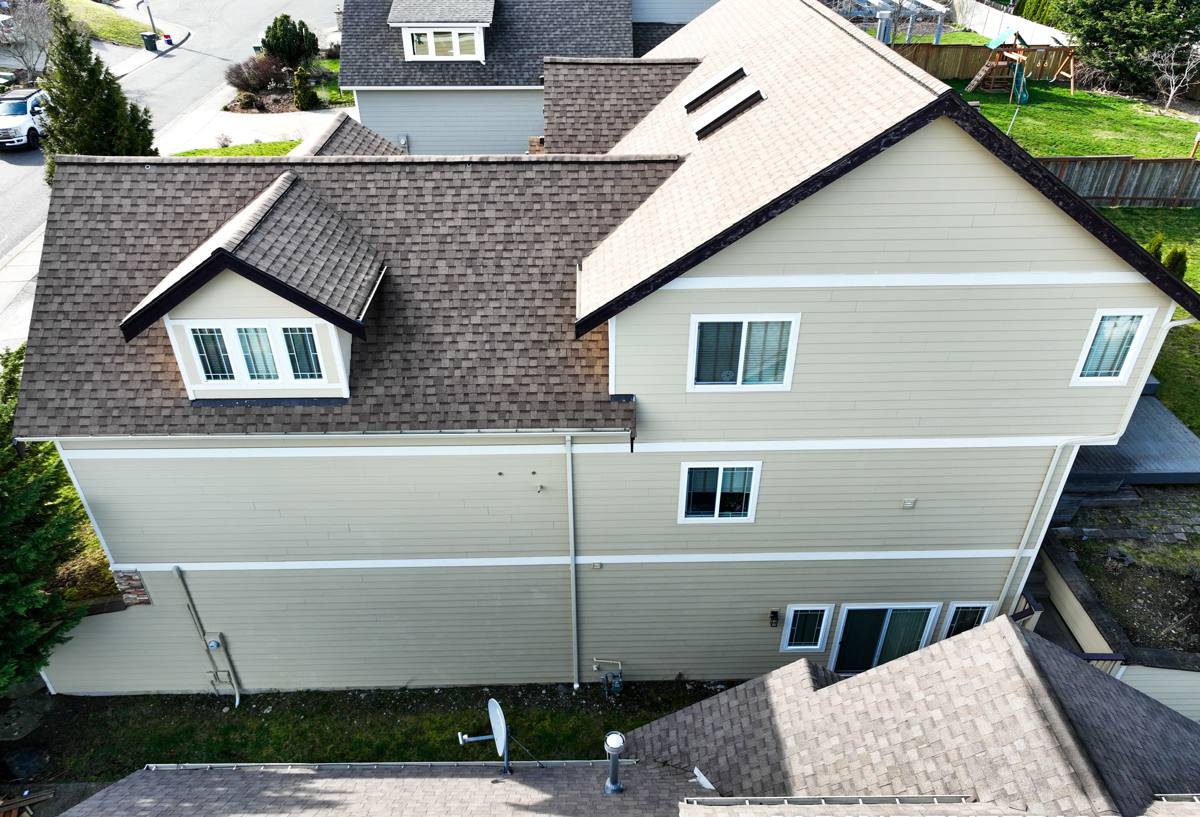
What Seattle's Climate Actually Does to a Deck
Moss, Algae, and Trapped Moisture
Shade plus rain plus organic debris is a recipe for moss and algae, and Green Lake's tree cover gives you all three in abundance. Moss itself isn't just unsightly — it holds water against the wood surface long after a storm has passed, which slows drying and speeds up decay underneath. On composite decking, algae growth in shaded, low-airflow areas can make boards slick and, over years, dull the surface finish. Either way, a deck that stays damp longer than it should is a deck that ages faster than it should.
Ledger Board and Framing Rot
The ledger board — where the deck attaches to the house — is the single most important structural component on most decks, and it's also the one most exposed to trapped moisture if flashing was installed poorly or has failed over time. In a climate with Seattle's rainfall totals, a ledger without proper flashing will eventually let water behind it, and that water has nowhere to go. We see this most often on older decks built before current flashing standards were common practice.
Fastener Corrosion
Driving rain and the region's humidity take a toll on hardware. Older decks built with standard galvanized nails or the wrong grade of screws often show rust streaks bleeding down the boards, and rusted fasteners lose holding strength well before the wood around them looks bad. This is a quiet failure mode — the deck can look fine on top while the connections underneath are weakening.
Post and Footing Deterioration
Where a wood post meets a concrete footing or sits close to grade, splashback and soil moisture concentrate right at that joint. It's one of the most common spots we find rot on older Green Lake decks, and it's structural — it affects the deck's ability to carry load, not just its appearance.
Signs Your Deck Needs Repair
Some problems are obvious. Others hide in plain sight until someone who knows what to look for gets underneath the deck. Watch for:
- Boards that feel spongy, springy, or soft when you walk on them
- Visible moss or algae buildup that returns quickly after cleaning
- Rust streaking around nail or screw heads
- Gaps, cracks, or separation where the deck meets the house
- Wobbly, loose, or leaning railings and posts
- Stair stringers that flex or creak under normal weight
- Visible daylight or gaps between the ledger board and the house siding
- A musty smell coming from underneath the deck
- Discoloration or dark staining on the underside of joists
Any one of these on its own might be minor. Several together usually mean it's time for a proper structural look, not just a surface cleaning.
What a Correct Repair Actually Involves
Start Underneath, Not on Top
A repair that only addresses what's visible from above is treating a symptom. Before we touch decking boards, we check the framing: joists, beams, the ledger connection, and post bases. If the structure underneath is compromised, replacing boards on top just buys a little time before the real problem resurfaces.
Flashing Comes First
If a ledger board shows any sign of past water intrusion, the flashing gets addressed as part of the repair — not skipped because it's the harder, less visible part of the job. A new ledger bolted to bad flashing just fails again on the same timeline.
Matching Fasteners to the Job
We use fasteners rated for exterior and ground-contact use appropriate to the wood or composite involved, matched to what the manufacturer or code calls for on structural connections. Mixing metal types at a connection point can accelerate corrosion through galvanic reaction, so hardware gets matched intentionally, not grabbed at random from a bin.
Railings and Stairs Get Load-Checked
Railings and stairs are where people put their weight suddenly and unpredictably — leaning, catching themselves, kids running. Any repair touching these components gets checked for solid attachment to structural framing, not just cosmetic reattachment.
Repair or Replace: How We Help You Decide
Not every deck problem calls for a full rebuild, and not every deck is worth repairing piecemeal. The honest answer depends on how much of the structure is affected versus how much is cosmetic.
| Factor | Leans Toward Repair | Leans Toward Replacement |
|---|---|---|
| Rot location | Isolated to a few boards or one post | Widespread across joists, beams, or ledger |
| Deck age | Under 15-20 years, built to reasonable standards | Older deck nearing end of typical service life |
| Fastener condition | Localized rust, easily replaced | Corrosion throughout the structural connections |
| Framing soundness | Joists and beams test solid, no soft spots | Multiple soft or spongy structural members |
| Code compliance | Railings, stairs, and spacing already meet current standards | Built to outdated spacing or attachment methods |
We'll always tell you honestly which side of this table your deck falls on. A repair-only recommendation when replacement is really warranted just means you're paying for the same problem twice.
Wood vs. Composite: What We Recommend for Repairs Here
Both wood and composite decking show up throughout Green Lake, and both can be repaired well if the underlying structure is sound. Solid wood — cedar or pressure-treated lumber — is straightforward to patch board-by-board and blends reasonably well with existing decking once weathered. It does need regular cleaning and refinishing to stand up to this climate's moss and moisture, and skipping that maintenance is what leads to most of the wood-deck calls we get.
Composite decking resists moss and rot better on the surface, but it isn't maintenance-free, and repairs are less forgiving — color-matching older composite boards gets harder as products age out of production, and the framing underneath still needs the same moisture management a wood deck needs. Our standard is to match repair materials to what's already there when possible, and to be upfront when an older composite line can't be color-matched anymore, rather than promising a seamless patch we can't deliver.
How Our Repair Process Works
- On-site inspection of the full structure — framing, ledger, posts, railings, and stairs, not just the decking surface
- Honest assessment of what's cosmetic, what's structural, and what's code-related
- Written scope and estimate before any work starts, so there are no surprises
- Repair or replacement of affected framing and connections first
- Decking, railing, and stair repairs matched to existing materials where reasonably possible
- Final walkthrough so you know exactly what was done and what to watch going forward
Why Hiring a Crew That Already Works Green Lake Matters
A contractor who works this neighborhood regularly has already seen how the tree canopy, the lake's proximity, and Seattle's rain pattern affect decks on this specific kind of lot. That's not a small thing — it means we're not guessing about where moisture collects or which connections tend to fail first, we're checking the spots we already know to check. It also means we understand what King County permitting and inspection expects for structural deck work, so a repair doesn't create a compliance headache down the line. Local experience shows up as fewer surprises and a repair that's built for the conditions it actually has to survive, not generic conditions.
If your deck is showing any of the signs above, or you just want an honest opinion on whether it needs repair or replacement, we're happy to take a look. Estimates are free and there's no pressure — fill out the form below and we'll get back to you.