 Seattle
 Deck Building for Beacon Hill Homes
Beacon Hill sits on a ridge above the Duwamish valley with some of the best views in Seattle, and a lot of homes here were built to take advantage of that — elevated decks, hillside lots, and outdoor living space that gets real use most of the year. Building a deck that holds up in this part of King County means designing for the site you actually have, not a generic flat-yard deck plan.
We build and repair decks throughout Beacon Hill and the surrounding Seattle neighborhoods, and we size every job to the site: slope, sun exposure, tree cover, and how the structure ties into the house. A deck that's framed and fastened correctly the first time costs less over its life than one that's cheap to build and expensive to fix.
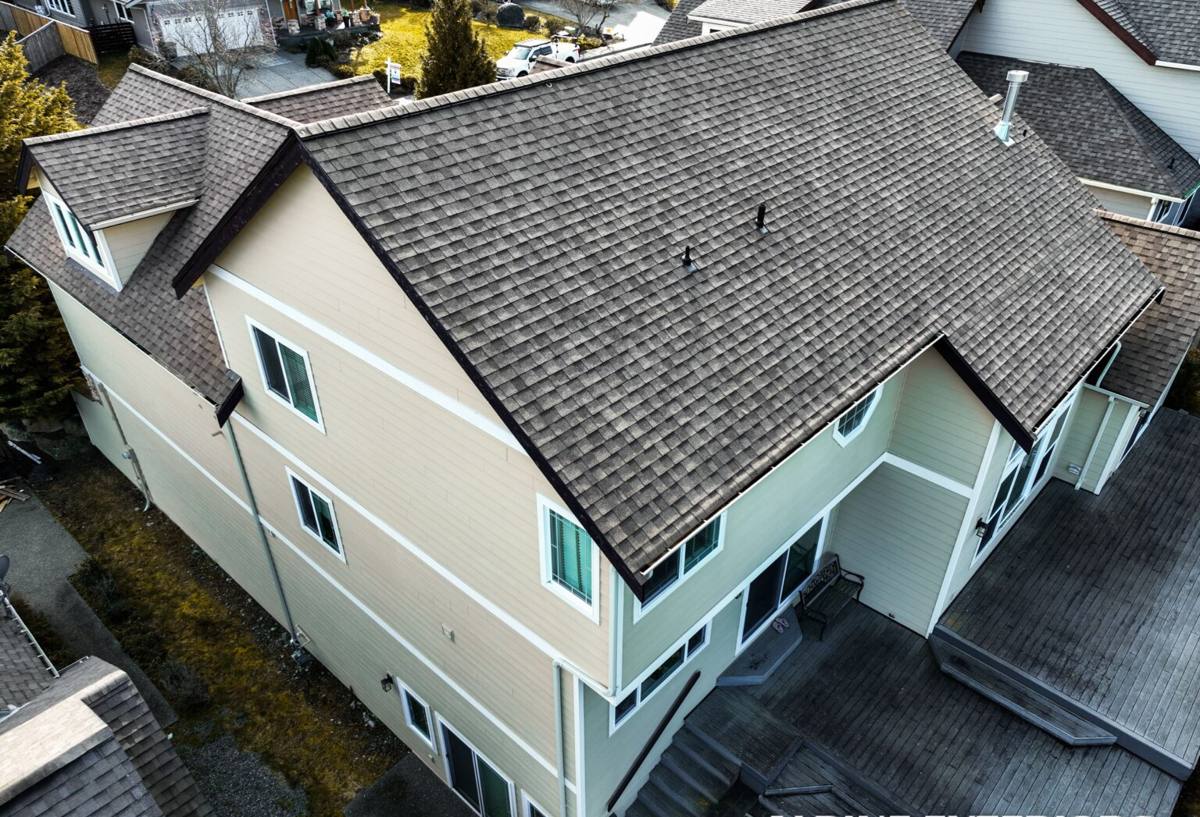
What Seattle's Climate Does to a Deck
Western Washington's marine climate off Puget Sound is the main thing working against any outdoor structure here. Long stretches of driving rain, humid marine air, and short winter days with limited direct sun add up to conditions that punish decks built without the right details.
- Driving rain gets pushed sideways by wind off the Sound, finding its way behind ledger boards, under poorly lapped flashing, and into end grain that isn't sealed.
- Moss and algae take hold fast on shaded, north-facing, or tree-covered decks — Beacon Hill's mature tree canopy and hillside lots mean a lot of decks here get partial shade for much of the day.
- Salt-tinged marine air off the Sound accelerates corrosion on fasteners, brackets, and hardware that aren't rated for exterior or coastal exposure.
- Freeze-thaw cycling, while milder here than inland climates, still opens up cracks in old concrete footings and lets water intrude further each season.
None of this means a deck can't last decades in Beacon Hill — it means the building details have to account for how much moisture this region actually sees, not how much a national deck-building guide assumes.
What a Correctly Built Deck Requires Here
Ledger Attachment and Flashing
The ledger board — where the deck attaches to the house — is the single most common failure point on decks in wet climates. It needs proper structural fasteners (not just nails), a code-compliant flashing detail that sheds water away from the house sheathing, and a gap or drainage plane so water doesn't sit trapped against the rim joist. Skipping or shortcutting ledger flashing is how homeowners end up with rot inside the wall, not just in the deck.
Footings and Framing
Footings need to be sized and set below the frost line per Seattle's building code, on undisturbed or properly compacted soil — this matters even more on Beacon Hill's sloped and sometimes fill-graded lots. Framing lumber should be rated for ground contact where it's close to grade, and joist spacing should account for the actual decking material, since composite and wood have different span requirements.
Fasteners and Hardware
In a marine climate, hardware matters as much as the lumber. We use hot-dip galvanized or stainless steel connectors, hangers, and fasteners rated for exterior and ACQ-treated lumber contact — mismatched metals or interior-grade screws are one of the fastest ways to get streaking, corrosion, and loosened connections within a few wet seasons.
Ventilation and Drainage
Decks built low to the ground or over patios need airflow underneath and a way for water to get out, not pool. Poor under-deck ventilation is a major contributor to the moss, algae, and slow rot we see on older Seattle-area decks, especially on the shadier lots common on Beacon Hill.
Choosing a Decking Material for This Climate
There's no single "best" decking material — the right choice depends on your budget, how much upkeep you want to do, and how much sun or shade your deck gets. Here's how the common options compare for a Beacon Hill property.
| Material | Upfront Cost | Moisture & Moss Behavior | Maintenance |
|---|---|---|---|
| Pressure-treated wood | Lowest | Needs sealing to resist moss and checking; can trap moisture if not gapped correctly | Annual cleaning and re-sealing recommended |
| Cedar | Moderate | Naturally rot-resistant but still needs finish to slow graying and moss growth in shade | Periodic cleaning and refinishing |
| Capped composite | Highest | Resists moisture absorption and moss better than wood; surface doesn't need sealing | Periodic washing; no staining or sealing |
| Uncapped composite | Moderate-high | More moisture-resistant than wood but can stain or grow surface algae in shaded, damp spots | Regular cleaning to prevent staining |
On Beacon Hill's shadier, tree-covered lots, we often steer homeowners toward capped composite or well-sealed cedar simply because they hold up better against moss without constant scrubbing. On sunnier, more open sites, pressure-treated wood with a solid maintenance routine is still a perfectly sound, lower-cost option — the decision comes down to how much upkeep you're willing to do.
Beacon Hill's Terrain: Building on Slopes and Elevation
A lot of Beacon Hill lots aren't flat. Hillside grading means decks here are often built as elevated structures — sometimes several feet off grade — to reach a usable, level outdoor space or to capture a view. That changes the engineering:
- Taller support posts need proper bracing against lateral movement, not just vertical load.
- Footings on a slope need to be engineered for the actual soil and grade, sometimes requiring deeper or stepped footings rather than a uniform grid.
- Guardrails become a code requirement, not an option, once a deck's walking surface is more than 30 inches above grade.
- Stairs down a slope need consistent rise and run and secure attachment at both ends — uneven stringers are a common safety issue on older hillside decks we've inspected.
Building on a slope isn't harder in the sense of being unusual for us — it's just a different set of calculations than a flat-yard deck, and it's why a design that works fine in a flat suburb doesn't always translate directly to a Beacon Hill lot.
Our Deck Building Process
1. On-Site Assessment
We walk the property, look at grade, drainage, sun/shade exposure, and how the deck will tie into the house, and talk through what you actually want to use the space for.
2. Design and Material Selection
We size the structure to the site and your budget, and walk through material trade-offs honestly — including where a cheaper material will cost you more in upkeep over time.
3. Permitting
Most new decks and many substantial deck rebuilds in Seattle require a permit through the city. We handle the permit process and build to the approved plan and inspection requirements rather than cutting corners to avoid it.
4. Framing and Structural Work
Footings, ledger attachment, framing, and hardware go in first, built to the details above — this is the part of the job that determines whether the deck lasts 10 years or 30.
5. Decking, Railing, and Finish Work
Decking material is installed with proper spacing and fastening for the specific product, followed by railing, stairs, and any finish or sealing work the material calls for.
6. Final Walkthrough
We go over the finished deck with you, including what maintenance it needs and on what schedule, so there are no surprises down the road.
Permits and Code in Seattle
Seattle's Department of Construction and Inspections requires permits for most new deck construction and for many repairs or rebuilds, particularly where structural framing, footings, or guardrails are involved. Requirements touch on footing depth and frost protection, guardrail height and baluster spacing, stair geometry, and setback from property lines — all of which can be affected by a sloped or narrow Beacon Hill lot. Skipping the permit process might save time up front, but it can create real problems at resale, since unpermitted structural work is something a home inspector or buyer's agent will flag.
Maintaining a Deck in a Moss-Prone Climate
Even a well-built deck needs some seasonal attention in this climate. A simple maintenance routine keeps small issues from turning into structural ones:
- Clear leaves, needles, and debris from between boards and off the surface regularly, especially in fall.
- Wash the deck surface at least once a year to remove moss, algae, and organic buildup before it stains or gets slick.
- Check and re-seal wood decking on the manufacturer's recommended schedule — usually every 1-2 years depending on sun exposure.
- Inspect ledger flashing and the area where the deck meets the house for staining or soft wood, which can signal a moisture problem starting.
- Check hardware and fasteners periodically for rust streaking or loosening, particularly on older or lower-budget builds.
- Keep the area underneath the deck clear of stored debris so air can circulate and moisture doesn't sit trapped.
What Affects the Cost of a Beacon Hill Deck
| Factor | Why It Matters |
|---|---|
| Size and footprint | More square footage means more material, framing, and labor |
| Height off grade | Elevated decks on sloped lots need taller posts, more bracing, and guardrails |
| Material choice | Pressure-treated wood costs less upfront; capped composite costs more but needs less upkeep |
| Site access | Hillside lots with limited equipment access can add labor time |
| Permitting complexity | Setback issues or structural review on a sloped lot can extend the permit timeline |
| Railing and stairs | Custom railing and multi-flight stairs on a slope add material and labor |
We don't quote decks off a per-square-foot number pulled from a national average — every one of these factors changes the real cost, and we'll walk through them with you before you commit to anything.
Why Hire a Crew That Already Works Beacon Hill
A contractor who's built decks on Beacon Hill's slopes and shaded lots already knows where the common problems show up — which sites need extra drainage attention, how far a footing schedule has to adapt for the grade, and which orientations are going to fight moss no matter what material you pick. That local experience shows up in fewer surprises during the build and fewer callbacks after.
We're a Seattle exteriors contractor working across King County, and deck building is one part of a broader trade we handle day in and day out — we're not subcontracting the structural work out to someone unfamiliar with the site conditions here.
If you're thinking about a new deck, a rebuild, or aren't sure whether your current deck is sound, we're happy to come take a look. Estimates are free, and there's no pressure to move forward — we'll give you an honest read on what your site needs.