 Seattle
 Board & Batten Siding in Beacon Hill
Beacon Hill sits above the Duwamish Valley and the industrial waterfront, with a housing stock that ranges from early-1900s bungalows to mid-century ramblers and newer infill construction. Board and batten shows up across all of it — as a full facade treatment on older homes with a farmhouse or craftsman lean, and increasingly as an accent material on additions, dormers, and garages for homeowners who want a clean, vertical look that reads differently than standard lap siding. It's a strong style choice for this neighborhood's mix of hillside lots and mixed architecture, but it's also a siding profile that punishes sloppy installation more than most.
This page covers what board and batten siding actually needs to hold up here, what a correctly built system looks like, and how we approach the work when we're on a job in Beacon Hill specifically.
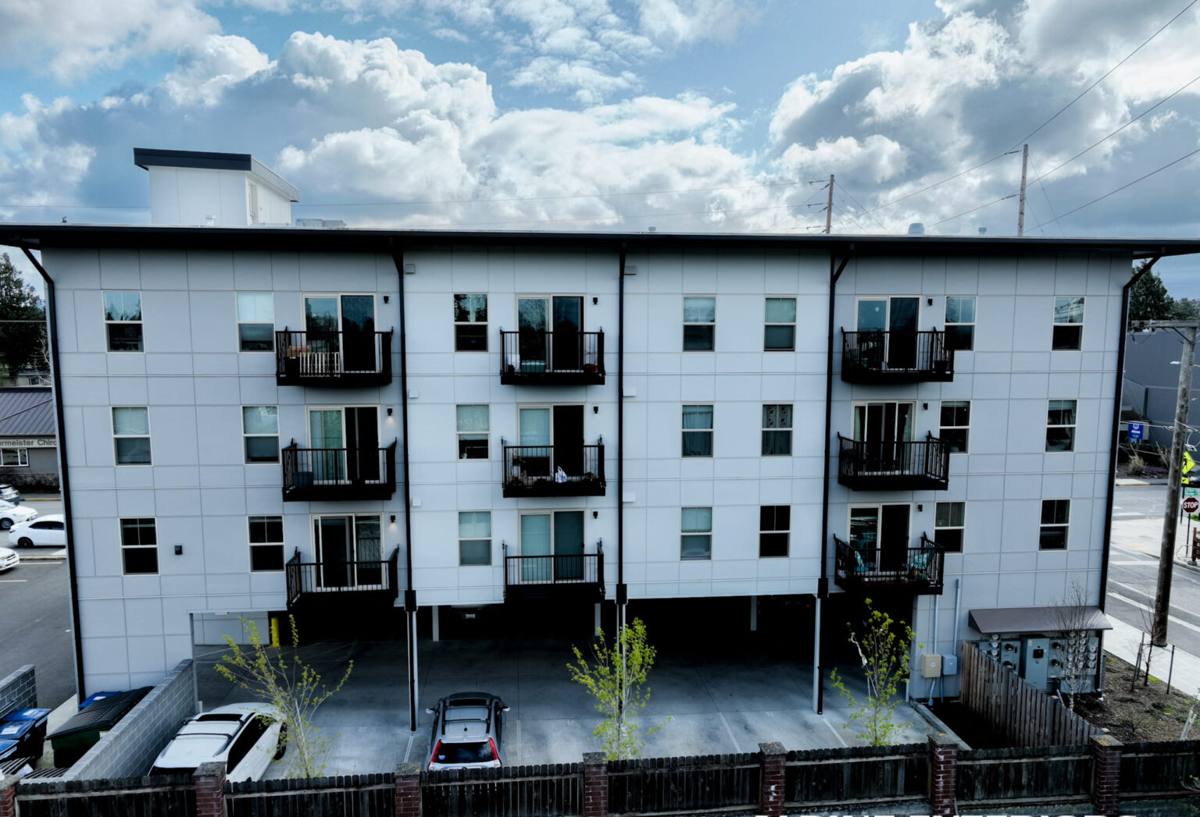
What Seattle's Climate Does to Vertical Siding
Board and batten's defining feature — vertical boards with narrow strips covering the seams — creates more joints and more edges than a horizontal lap profile. Every one of those seams is a place where water can find its way behind the siding if it isn't detailed correctly, and Seattle's climate doesn't give a siding system much room for error.
- Driving rain: King County's wet season pushes rain sideways during storms, and vertical battens can channel water downward along the seams instead of shedding it outward if the gaps and fasteners aren't right.
- A long moss season: Cool, shaded, moisture-heavy conditions for much of the year give moss and algae plenty of time to establish on any siding surface that stays damp, especially on north-facing walls and under tree cover, which is common on Beacon Hill's more established lots.
- Salt air influence: Beacon Hill's proximity to Puget Sound and the Duwamish waterway means some homes deal with salt-laden air in addition to rain, which accelerates the breakdown of fasteners, caulk, and any siding material that isn't built to resist moisture intrusion.
None of this makes board and batten a bad choice for the area — it just means the material and the installation both have to be right. There's very little tolerance for shortcuts on a vertical profile in a marine climate.
Why We Install It in James Hardie Fiber Cement Only
We don't offer board and batten in vinyl, LP SmartSide, primed spruce, cedar, or other fiber cement brands. That's a deliberate standard, not a lack of options. Board and batten in particular exposes the weaknesses of softer or less moisture-stable materials, because the vertical joints and exposed battens see more direct rain contact than a lapped horizontal profile does.
James Hardie's fiber cement holds its shape and its paint line in wet, humid conditions without swelling, cupping, or absorbing water the way engineered wood products can if a seam ever opens up. It's also non-combustible, which matters as much for insurance conversations as for wildfire risk. The ColorPlus factory finish is baked on rather than site-applied, so board and batten installed with it keeps a consistent, sharp edge along every batten line — something that matters visually on a profile where the lines are the whole point of the look.
We're not saying other materials can't be installed well by someone. We're saying that after years of doing this work in wet Western Washington conditions, fiber cement is the only material we're willing to put our name behind for a vertical siding profile.
Comparing Board & Batten Material Options
| Material | Moisture behavior | Upkeep in Seattle's climate | Typical lifespan |
|---|---|---|---|
| Vinyl | Doesn't absorb water, but panels can warp or bow with temperature swings and don't hide seam movement well on vertical runs | Low, but seams and battens can loosen over time | 15-25 years |
| LP SmartSide / engineered wood | Wood-based core is vulnerable if any seam or fastener point lets water in | Regular caulk and paint inspection, especially at joints | 20-30 years with diligent upkeep |
| Cedar / primed spruce | Natural wood movement; needs a sound finish maintained continuously to resist rot | Frequent refinishing, moss and algae treatment | Varies widely, often 15-20 years before major refinishing |
| James Hardie fiber cement | Dimensionally stable, doesn't swell or rot from moisture exposure | Periodic washing to keep moss and mildew from staining the surface | Decades, backed by a strong transferable warranty |
What a Correct Board & Batten Installation Involves
Board and batten looks simple from the street, but a correct installation has several details that determine whether it performs for decades or starts showing problems in a few wet seasons.
Drainage plane and rain screen gap
Behind the siding, we install a weather-resistant barrier and, on most Beacon Hill homes, a drainage gap that lets any water that gets past the cladding drain down and out rather than sitting against the sheathing. This matters more on a vertical profile because water tends to travel down the face of the boards and concentrate at the base and around openings.
Panel and batten spacing
Fiber cement expands and contracts slightly with temperature and moisture. Panels and battens need the manufacturer-specified gaps at joints, corners, and around windows and doors so that movement doesn't crack caulk lines or telegraph stress cracks through the finish.
Fastening pattern
Battens and boards have to be fastened into solid framing at the intervals James Hardie specifies for the product and for our wind and exposure conditions. Fasteners driven into the field of the panel instead of framing, or spaced too far apart, are one of the most common causes of premature failure we see when we're asked to look at someone else's board and batten job.
Flashing at every transition
Windows, doors, roof lines, and any point where the siding meets another material need proper flashing and head trim so water is directed out and away rather than behind the cladding. On a vertical profile, this is even more important at the top of every board run.
Caulking and joint sealing
Vertical battens create a lot of seams, and every one needs the right sealant, applied correctly, at the right point in the installation sequence — not painted over gaps as an afterthought.
Our Process for a Beacon Hill Board & Batten Project
- On-site assessment: we walk the home, check the existing wall assembly, look at drainage and grading around the foundation, and note anything specific to the lot — slope, tree cover, sun exposure — that affects how the siding will perform.
- Scope and product selection: we go over the James Hardie board and batten options that fit the home's style and your budget, along with color and finish choices.
- Prep and moisture barrier: removal of old siding where needed, inspection of the sheathing underneath for any hidden rot or damage, and installation of the weather-resistant barrier and drainage components.
- Installation to spec: boards, battens, flashing, and fasteners installed to James Hardie's published requirements for our climate zone and exposure — not a generic national spec.
- Final inspection and walkthrough: we check joint sealing, fastener placement, and finish quality before calling the job done, and walk the property with you.
Living With Board & Batten on a Beacon Hill Home
Once it's installed correctly, fiber cement board and batten is low-maintenance, but "low-maintenance" doesn't mean "no maintenance" in this climate. A periodic wash — garden hose pressure, not a pressure washer aimed directly at seams — keeps moss and mildew from taking hold, especially on shaded or north-facing walls common on wooded Beacon Hill lots. It's worth a visual check after major storms for any caulk lines that look cracked or any battens that seem loose, though a properly fastened system shouldn't shift.
What to check periodically
- Gutters and downspouts are clear and directing water away from the siding, not overflowing onto it
- No plant growth or mulch piled against the base of the siding, which traps moisture
- Caulk lines at windows, doors, and corners still look intact, not cracked or pulling away
- No visible staining or dark streaking that could indicate moss or algae buildup starting
- Any exterior fixtures or attachments mounted through the siding are properly sealed
Why Hiring a Crew That Already Works Beacon Hill Matters
Beacon Hill's terrain includes real slope in places, older homes with wall assemblies that weren't built to current standards, and a mix of permitting considerations depending on the property. A crew that's done siding work across this neighborhood already understands the practical realities — how to sequence work around a hillside lot, what to expect when opening up an older wall, and how to work within Seattle and King County permitting requirements without it becoming a surprise mid-project. That experience shows up in fewer change orders and fewer surprises once the old siding comes off.
If you're weighing board and batten for a Beacon Hill home, we're happy to walk the property, talk through what a correct installation looks like for your specific house, and give you a straightforward, no-pressure estimate. There's a form below — reach out and we'll set up a time to take a look.