 Seattle
 Beacon Hill's Housing Stock and Why Siding Choice Matters Here
Beacon Hill is one of Seattle's older residential ridges, and that shows in the housing stock. You'll find early-and-mid-century bungalows and craftsman-style homes sitting next to newer infill construction, often on lots with real slope and exposure to open sky. That mix matters when it comes to siding. A 1940s home with decades of paint layers and old wood trim needs a different installation approach than a 2015 build with modern sheathing. Treating every job the same way, regardless of the home underneath it, is how siding installations fail early in this climate.
A Neighborhood Where Details Get Overlooked
Because Beacon Hill has such a range of home ages, it's also a neighborhood where mismatched repairs are common — a patch of vinyl next to old wood, a section re-sided at some point without matching trim depth, gaps around windows that were never properly flashed. None of that is unusual for a King County home that's been through a few decades of Pacific Northwest weather. It does mean that a siding installer working here needs to actually look at what's underneath the old material, not just staple new siding over old problems.
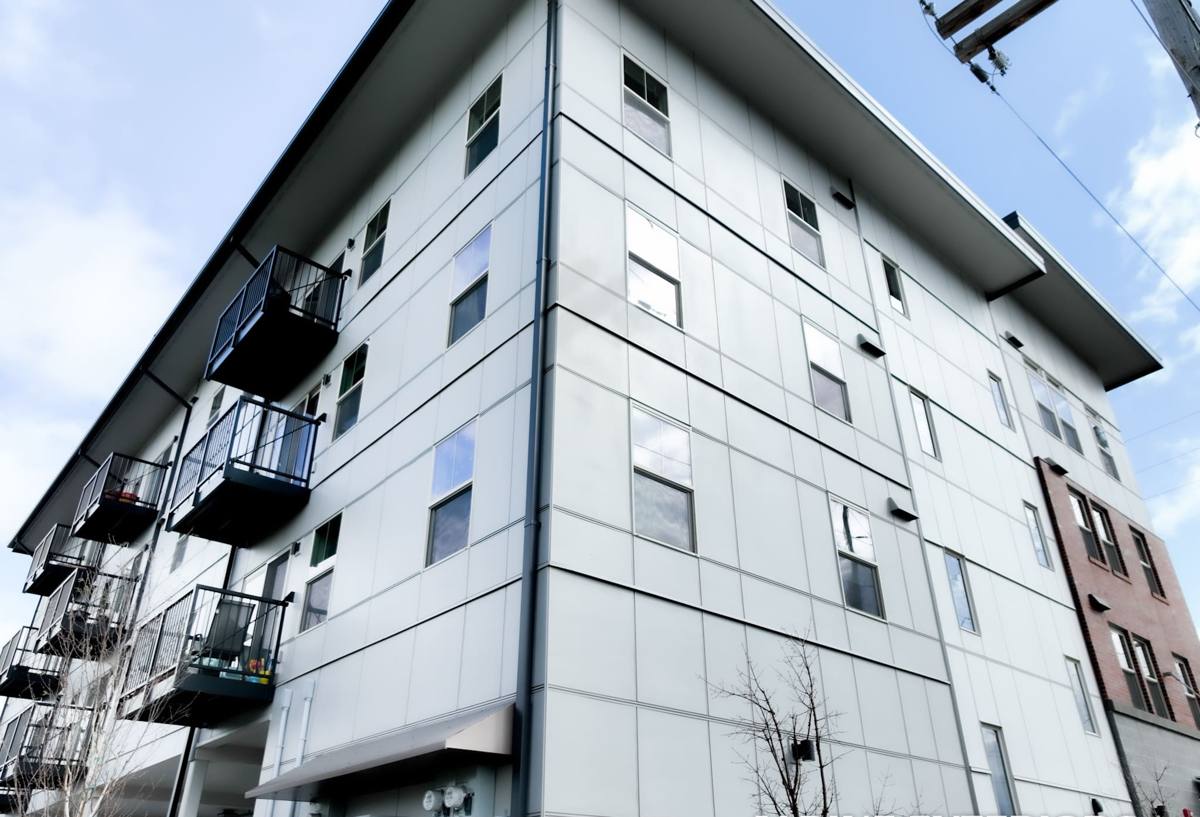
What Seattle's Climate Does to Siding on Beacon Hill
Seattle's marine climate is the whole reason siding choice is a bigger decision here than in drier parts of the country. Homes on Beacon Hill deal with salt-tinged air off the Sound, long stretches of driving rain, and short winter days that keep shaded walls damp for weeks at a time. Over a decade or two, that combination is unforgiving toward the wrong siding product or a sloppy installation.
Salt Air and Slow Corrosion
Coastal and near-coastal air carries salt that accelerates corrosion on fasteners, flashing, and any metal trim components. Siding materials that rely on exposed metal fasteners or thin factory coatings tend to show rust streaks and finish breakdown years before a homeowner expects it. This is one reason fastener choice and flashing detail matter as much as the siding panel itself.
Driving Rain and Wind-Driven Moisture
Seattle doesn't just get rain — it gets rain pushed sideways by wind off the water, which finds every gap in a poorly lapped or under-flashed siding job. Water that gets behind siding and can't drain or dry out is the single biggest cause of rot in this region, and it's almost always a workmanship issue rather than a materials issue.
A Long Moss and Mildew Season
Shaded, damp walls on Beacon Hill's tree-lined streets can stay green with moss and mildew for much of the year. Porous or wood-based siding absorbs that moisture and holds it, feeding organic growth and softening the material over time. Siding that doesn't absorb water in the first place has a real advantage here.
Why We Install Only James Hardie Fiber Cement
Seattle Exterior installs James Hardie fiber cement siding exclusively — we don't install vinyl, LP SmartSide, Cemplank, Allura, primed spruce, or cedar. That's not a marketing position, it's a standard we hold because of what we've seen happen to other materials in exactly this climate. Wood and wood-composite sidings need consistent paint and caulk maintenance to keep water out, and once moisture gets past a compromised paint film, rot follows. Vinyl expands and contracts with temperature swings, can crack in impact, and doesn't hold color the way a factory-baked finish does. James Hardie's fiber cement is non-combustible, resists moisture absorption far better than wood-based products, and comes with a factory ColorPlus finish engineered to hold up under UV and moisture cycling without the repeated repainting wood siding demands.
Climate-Engineered for the Northwest
James Hardie makes region-specific products, and homes in Seattle and the rest of the marine Northwest typically call for their HZ5 line, engineered for climates with heavy moisture exposure. That's a meaningful difference from a generic siding product — it's a material designed with weather patterns like ours in mind, not a one-size-fits-all panel.
What a Correct Installation Actually Involves
Fiber cement siding is only as good as the installation behind it. A correct job is mostly about details you won't see once the siding is up: the water-resistive barrier, the flashing at every penetration, and the clearances that let the wall assembly dry if moisture ever does get in.
Weather Barrier and Flashing
Every window, door, vent, and hose bib penetration needs proper flashing integrated with the weather-resistive barrier before a single piece of siding goes up. Skipping or rushing this step is the most common cause of hidden water damage behind otherwise good-looking siding.
Fastening and Clearances
James Hardie has specific fastening patterns, nail placement, and minimum clearances from grade, roofing, and decks that are part of the manufacturer's installation requirements. Ignoring these clearances is one of the fastest ways to void a warranty and invite moisture problems at the bottom courses of siding, which is exactly where Beacon Hill's driving rain does the most damage.
Joint and Seam Treatment
Butt joints, corners, and trim seams all need to be treated correctly, whether that's caulked, flashed, or left with the manufacturer-specified gap for drainage. Done wrong, these are the entry points where wind-driven rain works its way behind the siding.
| Installation Element | Why It Matters in Seattle's Climate |
|---|---|
| Weather-resistive barrier | Provides a second line of defense against wind-driven rain reaching the sheathing |
| Window and door flashing | Prevents the most common source of hidden rot around openings |
| Fastener spacing and depth | Keeps panels secure through wind events without over-driving and cracking the material |
| Clearance from grade and roofline | Reduces splash-back moisture and standing water contact at vulnerable bottom courses |
| Joint and trim detailing | Controls how water sheds and drains rather than pooling behind the siding |
Our Process for a Beacon Hill Siding Project
We run the same disciplined process on every home, adjusted for what your specific house needs.
- On-site inspection of the existing siding, sheathing, and trim to identify hidden moisture or rot before a bid is written.
- A written scope that specifies tear-off versus overlay, flashing details, and the exact James Hardie product and profile recommended for your home.
- Removal of old siding where a tear-off is needed, with sheathing repair addressed before anything new goes up.
- Installation of the weather-resistive barrier and all flashing at penetrations, following manufacturer specifications.
- Installation of James Hardie siding and trim to manufacturer fastening and clearance requirements.
- Final walkthrough covering caulking, paint touch-up on cut edges, and cleanup of the site.
Cost Factors for a Beacon Hill Siding Installation
Every home is different, so we won't quote a number without seeing the house, but the factors that move a siding project's cost are consistent across Seattle and King County.
| Factor | How It Affects the Project |
|---|---|
| Tear-off vs. overlay | Removing old siding and repairing sheathing takes more labor but is often necessary on older Beacon Hill homes with hidden damage |
| Home size and number of stories | More square footage and taller walls increase material and labor time, plus equipment needs |
| Trim and architectural detail | Craftsman-era trim, multiple gables, and dormers add cutting and fitting time |
| Siding profile selected | Lap siding, shingle-style panels, and board-and-batten each carry different material and labor costs |
| Existing moisture damage | Rotted sheathing or framing found during tear-off needs repair before new siding goes on |
Signs Your Beacon Hill Home May Need New Siding
Some warning signs are easy to spot from the ground; others take a closer look.
- Visible moss or persistent green staining on shaded walls that doesn't clean off easily
- Soft or spongy spots when you press on wood siding or trim
- Paint that's peeling, bubbling, or needs repainting far more often than it used to
- Cracked, warped, or separated siding panels, especially near the bottom courses
- Visible gaps or separation around windows and doors
- Rust staining running down from fasteners or metal trim
- A noticeably higher heating bill than similar-sized homes nearby, which can point to a compromised wall assembly
Why a Crew That Already Works Beacon Hill Matters
A siding installer who works this neighborhood regularly has a feel for its housing stock — the age range, the common trim styles, the slope and exposure differences from one block to the next. That familiarity shows up in small ways: knowing to check for a certain era's sheathing before quoting a tear-off, recognizing when an older home's trim depth needs a different flashing approach, and understanding how a given lot's exposure to wind and rain should factor into the installation plan. It's the difference between a crew that's installing siding in Seattle and one that's installing siding on your specific street, in your specific microclimate.
Get a Straightforward Estimate
If your Beacon Hill home has aging siding, visible moss, or trim that's starting to show its age, we're happy to take a look and give you an honest assessment — no pressure, no inflated scope. Fill out the form below to schedule a free estimate.