 Seattle
 Why Green Lake's Shade and Moisture Are Hard on Asphalt Shingle Roofs
Green Lake is one of the shadiest, wettest microclimates in Seattle. The mature conifers and big-leaf maples that ring the lake and line the surrounding streets keep large sections of many roofs out of direct sun for most of the day, especially on north- and east-facing slopes. That shade holds moisture on the shingle surface long after a storm has passed, and it's the single biggest reason moss and algae take hold here faster than in sunnier parts of King County.
Add in the falling needles, cones, and leaves from that same tree canopy, and you get valleys and gutters that clog quickly. Trapped debris holds water against the shingle mat, which accelerates granule loss and, eventually, rot in the roof deck underneath. Layer on Seattle's long, wet fall-through-spring stretch and the wind-driven rain that comes through with winter storms, and an asphalt shingle roof around Green Lake is working harder than the same roof would in a drier, more open part of the region. Even away from the waterfront, the Puget Sound area's damp, salt-tinged air also plays a slow role in corroding exposed nail heads and unprotected metal flashing over the years, which is part of why flashing detail and fastener choice matter as much as the shingle itself.
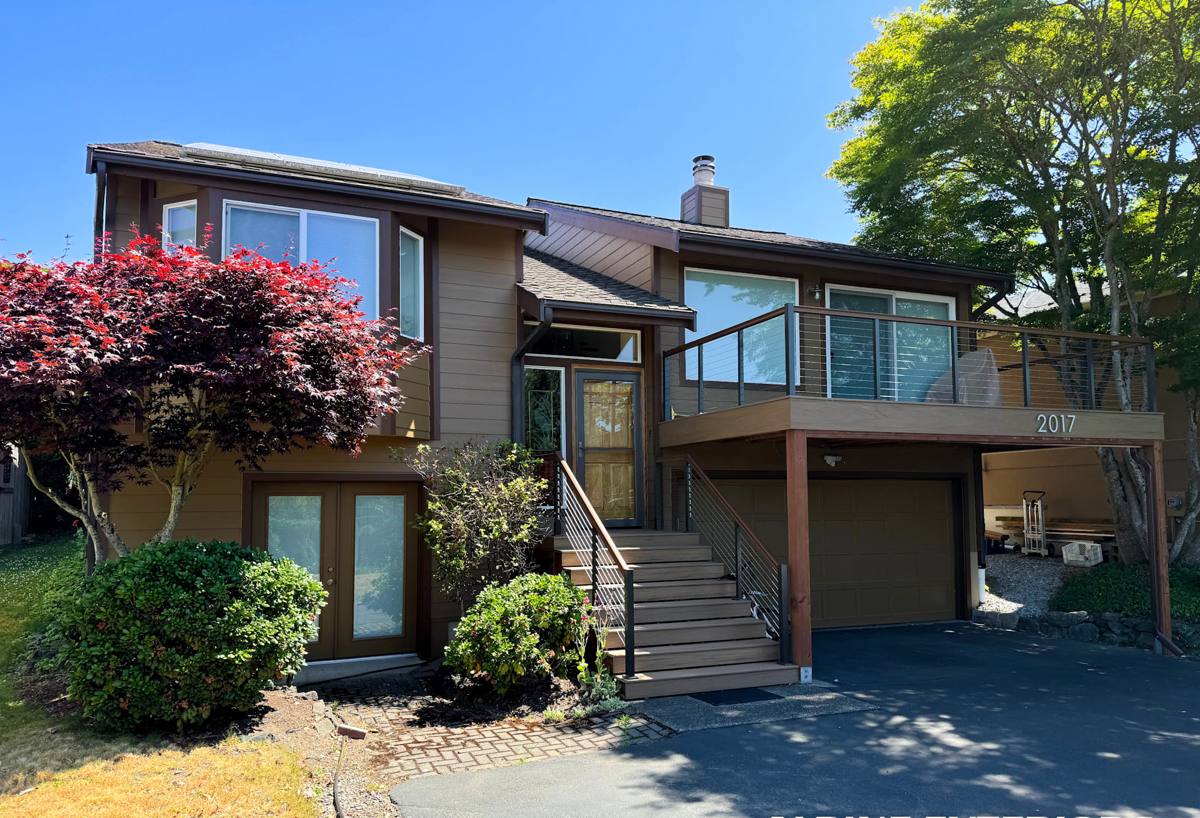
What a Correctly Installed Asphalt Shingle Roof Needs Here
A shingle roof that holds up in this neighborhood isn't just about the shingle brand — it's about the system underneath it. Three details matter more in Green Lake than in a drier climate.
Underlayment and Ice-and-Water Barrier
A synthetic underlayment across the full deck is the baseline, but the eaves, valleys, and any low-slope transitions should get a self-adhering waterproof membrane underneath the shingles. On shaded, tree-covered lots, valleys collect the most debris and hold water the longest, so this is not an area to skip or shortcut.
Ventilation That Matches the Shade
A roof that rarely sees direct sun dries out more slowly from underneath, too. Balanced intake at the eaves and exhaust at the ridge keeps moist attic air moving instead of condensing against the underside of the deck, which over time can rot sheathing from the inside even if the shingles above look fine.
Flashing and Valley Detail
Step flashing at chimneys and dormers, counter flashing that's actually tucked into the siding or masonry rather than just caulked over, and open or properly woven valleys built for heavy needle and leaf load — these are the details that separate a roof that sheds water cleanly for decades from one that leaks within a few winters.
Signs a Green Lake Roof Needs Attention
Because so many roofs here sit under tree cover, problems can develop somewhat quietly — moss and shade hide a lot until a leak shows up inside. Worth checking for:
- Moss mats or thick green growth on north-facing or shaded slopes
- Dark streaking across the shingles, a sign of algae rather than dirt
- Granules collecting in the gutters or at downspout outlets
- Shingles that are curling, cupping, or losing their flat profile
- Soft or spongy spots when walked on, which usually means deck damage underneath
- Daylight visible through the roof deck from inside the attic
- Water stains on interior ceilings, especially near chimneys, valleys, or skylights
- Shingles missing or lifted after a windstorm
How We Approach an Asphalt Shingle Job in Green Lake
Inspection and Estimate
We start by getting on the roof, not just looking at it from the ground. That means checking the deck condition, the flashing at every penetration, the state of the ventilation, and how much moss or moisture damage has already worked its way in. You get a straightforward written estimate that spells out what's actually needed versus what's optional.
Tear-Off and Deck Prep
Many homes in this part of Seattle are older craftsman and bungalow-style houses, and roof decks under multiple layers of old shingles can hide plank sheathing or areas of soft, delaminated wood. We remove old roofing down to the deck, replace any damaged sheathing, and don't cover up a problem that will just resurface in a few years.
Installation
Underlayment, ice-and-water membrane at the vulnerable areas, properly detailed flashing, and shingles installed to the manufacturer's nailing pattern and exposure — done in that order, without shortcuts that are invisible on installation day but show up as leaks later.
Cleanup and Walkthrough
We clear the site of old material and debris, including a magnetic sweep for stray nails, and walk the finished roof with you so you know what was done and what to watch for going forward.
Choosing the Right Shingle for a Shaded, Wet Lot
Not every asphalt shingle handles Green Lake's tree cover and moisture equally well. The table below covers the main options we discuss with homeowners here.
| Shingle Type | Best For | Moss/Algae Resistance | Trade-Offs |
|---|---|---|---|
| 3-tab standard | Budget-conscious re-roofs on simple gable roofs | Standard only, unless algae-resistant granules are specified | Shorter lifespan, less wind resistance in exposed areas |
| Architectural / laminate | Most Green Lake homes, especially steeper or more visible roofs | Better mat thickness resists granule loss under debris load | Higher upfront cost than 3-tab |
| Algae-resistant (copper- or zinc-infused granules) | Heavily shaded, north-facing, or tree-covered slopes | Purpose-built to slow algae and moss growth | Costs more; resistance fades gradually over the shingle's life, so gutter and tree maintenance still matter |
We don't push algae-resistant shingles as a cure-all — they slow growth, they don't stop it permanently, and they still need the same debris management as any other roof. But on a shaded lot near the lake, they're usually worth the difference in cost over the life of the roof.
Repair, Re-Roof, or Full Replacement
Not every roofing problem in this neighborhood means a full replacement. The right call usually comes down to a handful of factors.
| Factor | Leans Toward Repair | Leans Toward Replacement |
|---|---|---|
| Roof age | Under 10-12 years | Nearing or past the shingle's rated lifespan |
| Extent of moss/algae | Isolated patches, cleanable | Widespread growth with granule loss underneath |
| Deck condition | Solid, no soft spots | Soft decking, rot, or multiple prior layers |
| Existing layers | Single layer, good condition | Two or more layers, or unknown history |
| Leak pattern | Single, traceable source | Multiple leaks or recurring failures in different spots |
An honest inspection is the only way to know which column your roof actually falls into — we'll tell you plainly if a repair will genuinely hold up, or if it's just delaying a replacement you'll need soon anyway.
Keeping Moss and Debris From Shortening Your Roof's Life
Given the tree canopy around Green Lake, roof maintenance here is less optional than it would be on a more exposed, sun-drenched lot. A few habits go a long way between roofing jobs:
- Clear gutters and valleys of needles and leaves at least twice a year, more often under heavy tree cover
- Trim back overhanging branches so less debris lands on the roof and more sunlight reaches shaded slopes
- Have moss physically removed rather than pressure-washed, which can strip granules and shorten shingle life
- Consider zinc or copper strips near the ridge on heavily shaded roofs to slow moss regrowth between cleanings
- Address small leaks or lifted shingles promptly rather than waiting for a bigger repair
Why Local Green Lake Experience Matters
A roofing crew that regularly works this neighborhood already knows which slopes will need extra attention to moss and shade, which older home styles tend to have plank decking that needs a closer look during tear-off, and how to sequence a job around Seattle's rain patterns so the deck isn't left exposed longer than necessary. That familiarity also extends to working within City of Seattle and King County permitting requirements for re-roofing, so the paperwork side doesn't slow the project down. It's the difference between a crew learning your roof's quirks on the job and one that's seen the same conditions on the house down the street.
Warranty and What Happens After Installation
A finished asphalt shingle roof should come with two layers of coverage: the manufacturer's warranty on the shingles and underlayment materials themselves, and a workmanship warranty covering our installation. We'll walk you through what each one actually covers, how long it lasts, and what routine maintenance — like the gutter and debris care above — you're responsible for to keep both warranties valid. You'll also get documentation of what was installed, which matters for insurance purposes and for whoever owns the home next.
If your Green Lake roof is showing moss, granule loss, or you're just not sure what condition it's in after a wet winter, we're happy to take a look. The estimate is free, there's no pressure attached to it, and you'll get a clear, honest picture of what your roof actually needs — use the form below to get started.