 Seattle
 Why Renton Homes Need Siding That Can Handle This Climate
Renton sits in one of the wetter corners of King County, tucked between Lake Washington and the hills that catch the Puget Sound weather systems rolling in off the water. Homes here deal with long stretches of driving rain from fall through spring, humid air that lingers close to the lake, and a moss and algae season that can run most of the year on north-facing walls and anything shaded by mature trees. That combination is tough on siding. Materials that look fine in a showroom often start showing streaking, swelling, or soft spots within a few years once they're actually exposed to a Renton winter.
This page is about one job: installing James Hardie fiber cement siding correctly on a Renton home. Not a general siding overview, not a sales pitch for every product on the market — just what this climate actually demands, what a proper Hardie installation looks like, and how we run the job from first estimate to final walkthrough.
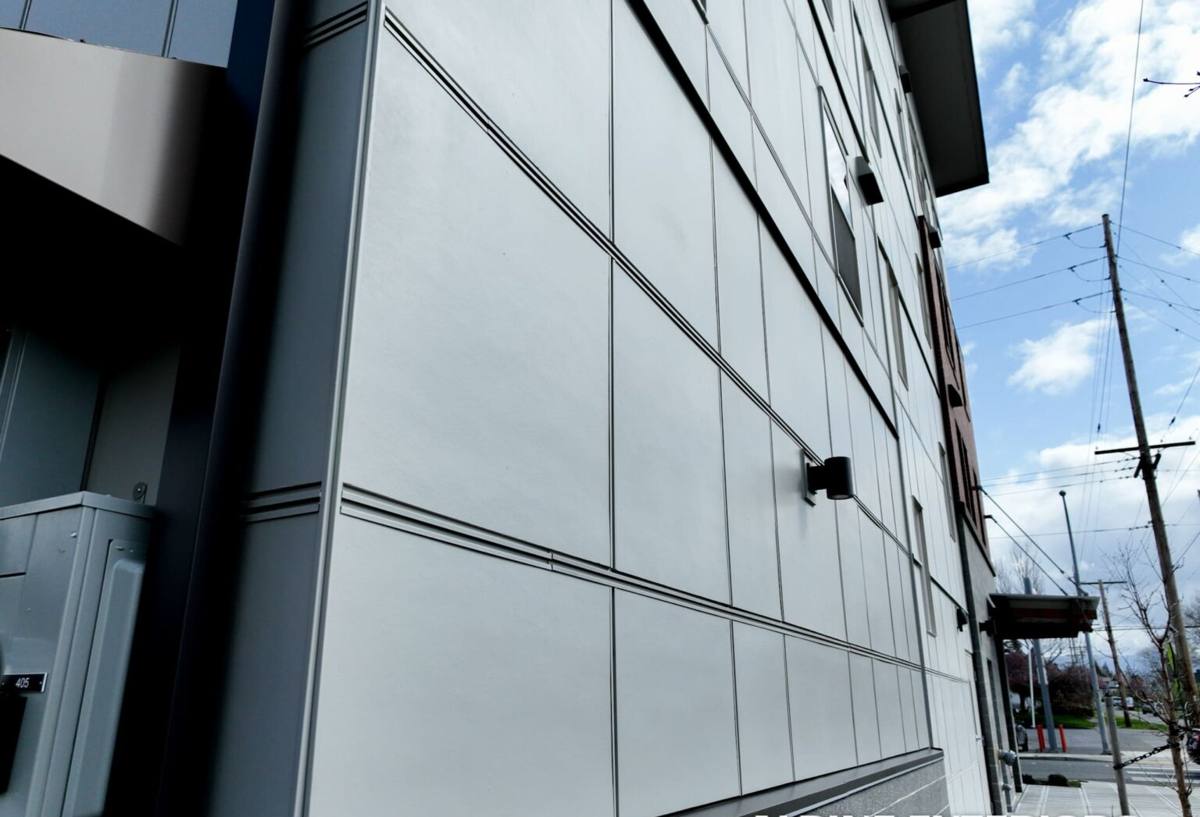
What This Climate Actually Does to Siding Over Time
Moisture That Doesn't Let Up
Western Washington doesn't get dramatic storms as much as it gets persistent, low-grade wet weather — weeks where siding never fully dries out between rain events. Any product that absorbs moisture, or any installation with gaps that let water behind the cladding, ends up staying damp for months at a time. That's when rot, delamination, and paint failure start.
Moss, Algae, and Shade
Renton's tree cover and cloudy stretches keep a lot of exterior walls in shade or dampness long enough for moss and algae to take hold, especially on north- and east-facing elevations. Porous or textured surfaces give moss more to grip onto, and once it's established it holds moisture against the wall even longer.
Temperature Swings and UV
It's not just rain — Renton also gets stretches of strong summer sun reflecting off Lake Washington, plus occasional cold snaps in winter. Siding has to hold its shape and color through both without cracking, warping, or fading unevenly.
Why We Standardized on James Hardie for Homes Like These
We install James Hardie fiber cement siding exclusively. We don't install vinyl, LP SmartSide, cedar, primed spruce, or other fiber cement brands. That's not a marketing position — it's a decision based on what holds up in this specific climate over decades, not just the first few years.
Fiber cement is fundamentally different from wood-based or vinyl products: it's made from cement, sand, and cellulose fibers, so it doesn't feed rot the way wood-based panels can when moisture gets behind them, and it doesn't expand and contract with temperature the way vinyl does. James Hardie backs its siding with a factory-applied ColorPlus finish and a strong transferable limited warranty, and — specific to the Pacific Northwest — Hardie engineers its HZ5 product line for exactly this kind of wet, temperate climate. That combination is why it's the only siding system we put our name behind.
What a Correct Installation Involves
James Hardie siding performs the way it's designed to only when it's installed to Hardie's specifications. A rushed or generic installation is one of the most common reasons homeowners see problems with fiber cement siding within the first few years — and it's almost always an installation issue, not a product issue.
- Proper water-resistive barrier and flashing at every window, door, and penetration, lapped correctly so water sheds outward instead of behind the wall
- Correct minimum clearance between siding and the ground, roofline, decks, and walkways to avoid wicking moisture up from grade
- Manufacturer-specified fastener type, spacing, and placement — not just what's fast to shoot with a nail gun
- Proper gapping at butt joints and trim, caulked with a product rated for exterior fiber cement, not just whatever's on the truck
- Field-cut edges primed or sealed per Hardie's guidelines so raw edges aren't left exposed to weather
- Ventilation behind the cladding where the wall assembly calls for it, so moisture that does get in has somewhere to go
Skipping any one of these doesn't usually cause an obvious problem on day one. It shows up two, five, or ten winters later, after Renton's rain has had time to find every shortcut.
Our Process, Start to Finish
1. On-Site Assessment
We walk the exterior with you, looking at existing siding condition, moisture staining, moss patterns, trim and flashing condition, and any areas where past shortcuts are visible. This tells us as much about what's happening behind the old siding as what's happening on the surface.
2. Estimate and Product Selection
We go over James Hardie's plank, panel, and shingle options, the HZ5 climate-engineered line, and ColorPlus color choices, and put together a written estimate that's specific to your home — not a generic per-square-foot number.
3. Prep and Tear-Off
Old siding comes off, and we inspect sheathing underneath for rot or moisture damage before anything new goes up. Any compromised sheathing gets addressed before we install a single piece of siding — covering over a wet wall assembly is exactly the kind of shortcut that causes failures down the line.
4. Weather Barrier and Flashing
This is the layer that matters most in a climate like Renton's. We install and lap the water-resistive barrier and flashing correctly at every opening before siding installation begins.
5. Installation to Hardie Spec
Siding goes up following James Hardie's fastening, clearance, and gapping requirements — the details covered above — with attention to the trim, corners, and joints that are most exposed to wind-driven rain.
6. Final Walkthrough
We walk the finished job with you, check caulking and trim lines, and make sure everything meets both Hardie's installation standards and our own.
Choosing the Right Hardie Line and Color for a Renton Home
James Hardie's ColorPlus finishes are baked on in a controlled factory setting, which matters here specifically because field-applied paint has a harder time curing properly during Renton's damp stretches. A factory finish also resists the fading and chalking that job-site paint can show after a few Pacific Northwest winters.
Most Renton homes we work on land on one of a few common approaches:
- HardiePlank lap siding for a traditional look that suits most Renton neighborhoods, in smooth or cedar-textured finishes
- HardieShingle for homes going for a more textured, Craftsman-influenced look
- HardiePanel vertical siding for accent walls, gables, or a more modern elevation
- Darker ColorPlus tones on elevations that get more direct sun, and careful color selection on shaded, moss-prone walls where lighter tones can show organic growth differently than darker ones
What Affects the Cost of a Hardie Siding Job
Every home is different, but these are the factors that most often move the number up or down on a Renton project:
| Factor | Why It Matters |
|---|---|
| Sheathing condition underneath old siding | Rot or moisture damage found during tear-off needs repair before new siding goes on |
| Home size and number of stories | More square footage and access difficulty (scaffolding, steep sites) add labor time |
| Product line and profile | Lap, shingle, and panel profiles have different material and labor costs |
| Trim and detail work | Homes with more corners, windows, and architectural detail take more time to flash and finish correctly |
| Color and finish | Standard ColorPlus colors versus custom or premium finishes can shift material pricing |
We give you a written, itemized estimate before any work starts, so you know what you're paying for and why — not just a lump-sum number.
Living With Hardie Siding Through a Renton Moss Season
One advantage of fiber cement over wood-based siding is that it doesn't feed organic growth the way untreated wood or some wood-composite products can. But no exterior surface in this region is immune to moss and algae taking hold, especially in shaded spots. A little seasonal upkeep keeps a correctly installed Hardie exterior looking the way it should for the long haul:
- Rinse siding gently with a garden hose once or twice a year, focusing on shaded and north-facing walls
- Trim back tree branches and shrubs that keep sections of the wall shaded and damp
- Check and clear gutters before the fall rains so overflow isn't running down the siding
- Have caulking and trim joints inspected every few years — caulk is the one component that wears out well before the siding itself
- Avoid pressure washing directly into joints or at close range, which can force water behind the cladding
Why a Crew That Already Works in Renton Makes a Difference
Siding installation isn't one-size-fits-all across King County. A crew that regularly works Renton knows how local lot conditions, shade patterns near the lake, and the region's rain load should shape decisions on flashing details, ventilation, and even which elevations need extra attention during installation. That's the kind of judgment that doesn't come from a spec sheet — it comes from having done the work on homes with the same weather exposure, season after season.
If you're weighing a siding replacement or want a second opinion on the condition of what's on your home now, we're happy to take a look. Reach out for a free, no-pressure estimate — we'll walk the exterior with you and give you a straight answer on what your home actually needs.