 Seattle
 Redmond's Climate Puts Real Demands on Window Systems
Redmond sits inland on the Eastside, away from the direct salt exposure that coastal King County properties deal with, but it shares the same core challenge as the rest of the Puget Sound region: a long, wet season that keeps wood, seals, and glazing under sustained moisture pressure for months at a stretch. Add Redmond's heavy tree canopy and you get a climate that's less about wind-driven salt spray and more about persistent humidity, shaded siding that stays damp longer, and a moss season that can run from fall through spring.
Windows are one of the first places that shows up. Condensation between panes, soft spots in wood sills, and slow-draining frames are usually moisture problems that started small and had months of steady rain to get worse. A window that was installed correctly, with the right materials and proper flashing, handles that seasonal cycle without issue. One that wasn't will tell you within a few winters.
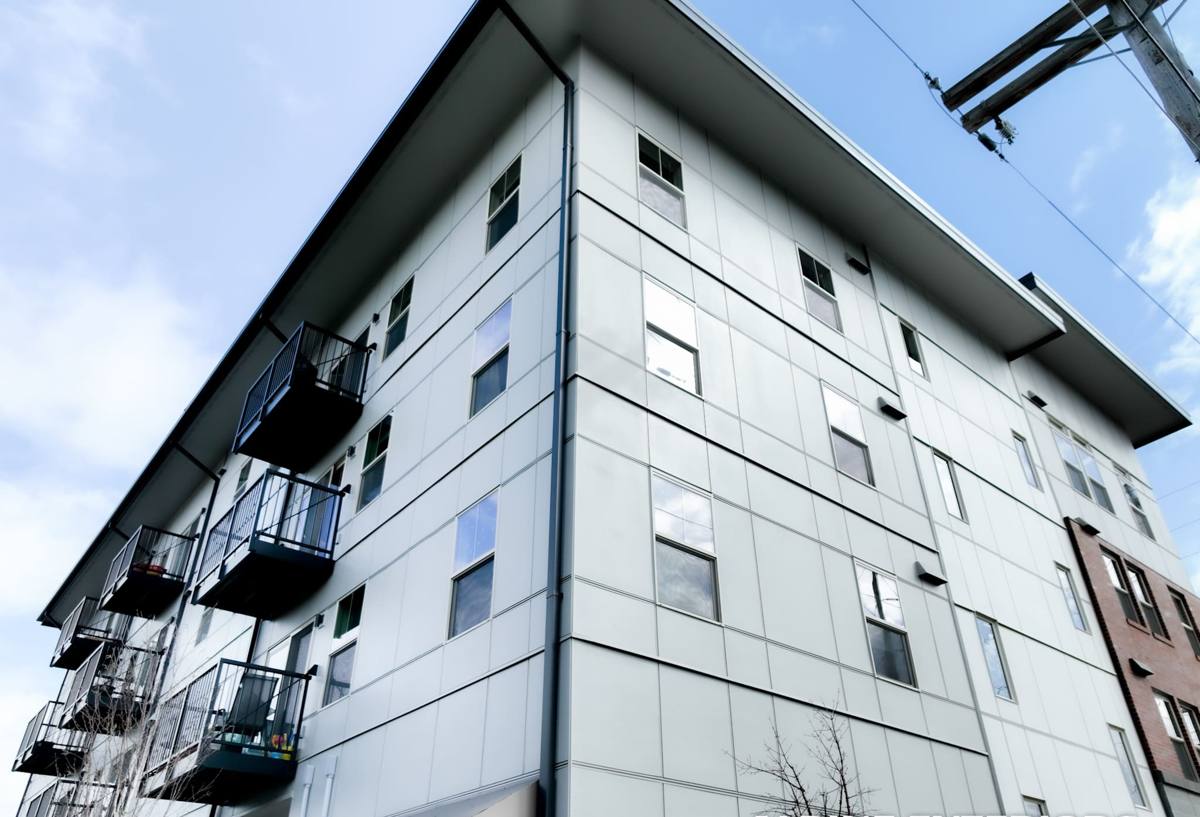
Signs Your Redmond Home Is Overdue for Window Replacement
Most homeowners don't replace windows on a schedule — they replace them when something starts to fail. Here's what we typically see on service calls in this area:
- Fogging or a permanent haze between the panes of a double-pane window (a broken seal, not something that can be cleaned off)
- Visible soft or discolored wood at the sill or bottom corners of the frame
- Windows that are difficult to open, close, or lock, especially older wood or aluminum units
- Noticeable drafts or cold spots near the window even when it's fully closed
- A jump in heating costs that isn't explained by anything else changing
- Single-pane glass still in place in an older home that hasn't been updated
- Green or black growth building up in the frame corners or along the sill, especially on shaded sides of the house
- Visible gaps between the frame and the siding or trim
Any one of these on its own might just need attention. Several at once, or a window that's showing damage on the interior sill, usually means the unit has reached the end of its useful life and repair won't hold for long.
What a Correct Window Replacement Job Actually Involves
Window replacement looks simple from the outside — old window out, new window in — but the work that determines whether it lasts happens in steps most homeowners never see.
Accurate Measurement and Product Fit
Older homes, especially anything built before standardized window sizing became common, often have openings that are slightly out of square or non-standard. Measuring correctly, and accounting for that opening's actual condition rather than assuming a stock size, is what keeps the new window from being forced into a gap it doesn't fit — which is where leaks start.
Removing the Old Window Without Damaging the Opening
A rushed removal can crack siding, tear existing weather barrier, or damage framing that was otherwise sound. We remove the old unit carefully and inspect the opening before anything new goes in. If we find rot or water damage in the framing, that gets addressed before installation continues — covering it up with a new window is how the same problem comes back in a few years.
Flashing and Moisture Management
This is the step that matters most in a climate like ours. Proper flashing directs any water that gets past the exterior cladding down and out, away from the framing, instead of letting it collect. Skipping or shortcutting flashing is one of the most common causes of hidden rot behind window trim, and it's not something you can see once the trim is back on — which is exactly why it needs to be done right the first time.
Sealing, Insulation, and Trim Work
Once the window is set, level, and secured, the gap between the frame and the rough opening gets insulated and sealed against both air and water intrusion. Interior and exterior trim goes back on clean, and everything is checked for smooth operation before we call the job finished.
Choosing Frame Materials and Glass for the Pacific Northwest
There's no single "best" window for every home — the right choice depends on the home's age, style, budget, and how much upkeep you want to take on. Here's how the common options compare for a climate defined by sustained moisture rather than extreme heat or cold:
| Frame Material | Moisture Performance | Maintenance | Typical Lifespan |
|---|---|---|---|
| Vinyl | Good — won't rot, resists moisture well | Low; occasional cleaning | 20–30 years |
| Fiberglass | Very good — dimensionally stable in wet/dry cycles | Low | 30+ years |
| Wood-clad | Good on the exterior clad side; interior wood needs protection from condensation | Moderate — interior finish upkeep | 20–30 years with maintenance |
| Aluminum | Prone to condensation without a thermal break | Low | 20–30 years |
On glass, dual-pane with a Low-E coating is the standard we recommend for most Redmond homes — it cuts heat loss and reduces condensation risk on the interior surface, which matters when a house stays humid for long stretches. Triple-pane is worth discussing for north-facing rooms or homes right along a busier street where extra sound dampening is also a priority, but for most single-family homes here, a quality dual-pane unit is the more cost-effective choice without giving up meaningful performance.
How We Handle a Window Replacement Project in Redmond
- Walkthrough and assessment — we look at every window being considered, check the condition of the framing and sills, and talk through what's actually needed versus what can wait.
- Measurement and product selection — exact measurements are taken for each opening, and we go over frame material, glass package, and style options based on the home and your budget.
- Scheduling around the weather — window replacement can be done through most of the year here, but we plan install days around forecasted rain to keep openings protected while they're exposed.
- Installation — old units removed, openings inspected and repaired if needed, new windows set, flashed, insulated, and sealed.
- Final walkthrough — every window is opened, closed, and checked for smooth operation, and the work area is cleaned up before we consider the job done.
What Affects the Cost of Window Replacement
Costs vary window to window and home to home, so we don't quote off a phone call — but these are the main factors that move the number up or down:
| Factor | Why It Matters |
|---|---|
| Frame material | Vinyl typically costs less than fiberglass or wood-clad options |
| Glass package | Low-E coatings, gas fills, and triple-pane add cost but improve performance |
| Number of windows | Whole-house projects generally bring a lower per-window cost than one-offs |
| Opening condition | Rot or framing repair discovered during removal adds labor |
| Window size and style | Large picture windows, bays, or custom shapes cost more than standard sizes |
| Access and site conditions | Second-story or hard-to-reach windows take more time to install safely |
We give straightforward, itemized estimates so you know what you're paying for and why — no vague lump sums.
Why Hiring a Crew That Already Works in Redmond Matters
Window replacement is sensitive to detail work that's easy to shortcut and hard to inspect after the fact — flashing, sealing, and how well the opening is prepared before the new unit goes in. A crew that regularly works in this area knows what King County homes tend to need at different ages, understands the permitting and inspection expectations that come with exterior work here, and has already seen how the region's wet season exposes bad installs elsewhere. That experience shows up as fewer surprises, a cleaner install, and windows that hold up through years of the same weather pattern rather than one dry season.
Keeping New Windows Performing Through the Wet Season
A well-installed window is largely maintenance-free, but a little seasonal attention goes a long way in this climate:
- Keep weep holes at the bottom of the frame clear of debris so water drains out instead of pooling
- Clean frame corners and sills periodically, especially on shaded or tree-covered sides of the house where moss and mildew take hold fastest
- Check and refresh exterior caulking around trim every few years, since caulk wears out well before the window itself does
- Wipe down interior sills if you notice condensation buildup during colder stretches, and improve room ventilation if it's a recurring issue
None of this is heavy upkeep, but skipping it is how a good window installation starts to look tired years earlier than it should.
If your windows are showing any of the signs above, or you're just ready to stop dealing with drafts and fogged glass through another Redmond winter, we're happy to take a look. Use the form below to request a free, no-pressure estimate — we'll walk the windows with you and give you a straight answer on what's needed and what it costs.