 Seattle
 Windows Built for University District's Older Homes and Wet Winters
University District sits inland from Puget Sound's open water, but it still gets the full weight of Seattle's marine climate: long stretches of driving rain from fall through spring, low winter sun that never quite dries out north-facing walls, and a moss season that can run six months or longer under the neighborhood's mature tree canopy. Add in a housing stock that skews older than a lot of the city, and windows here take on stress that a generic "replace the glass" job doesn't solve. We work on custom windows specifically for this neighborhood's mix of older single-family homes, converted rentals, and small apartment buildings, and we size the job to what the house actually needs, not a one-size template.
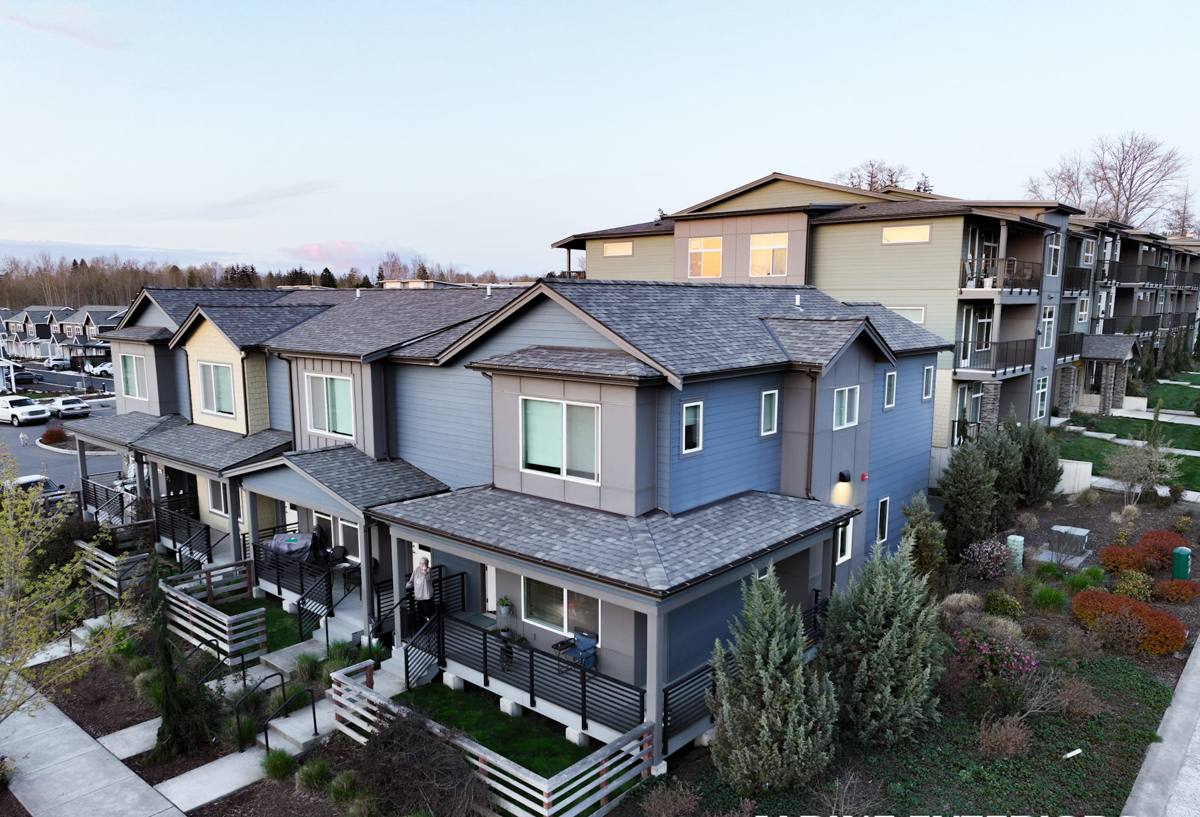
The Housing Stock We See Most Often in University District
Older Single-Family Homes
Many of the freestanding houses in and around University District date to the early-to-mid 1900s — craftsman bungalows, Tudor-influenced cottages, and simple wood-frame builds from before modern window flashing standards existed. These homes often still have their original wood sash windows, or a first-generation replacement from decades ago that was never properly flashed or insulated. The window openings themselves are frequently non-standard sizes, which is exactly where custom fabrication earns its keep instead of forcing an off-the-shelf unit into a gap it doesn't fit.
Rental Conversions and Small Multi-Unit Buildings
Because of the neighborhood's proximity to the University of Washington, a large share of the housing stock has been converted into rentals or small multi-unit buildings over the years. That history matters for windows: interior finishes get patched around old frames repeatedly, storm windows or security films get added and removed, and deferred maintenance compounds because nobody living there long-term is tracking it. When we open up these window openings, we regularly find water staining, soft framing, or insulation that was never replaced after the last remodel.
What Seattle's Climate Actually Does to a Window Over Time
It's not one dramatic storm that wears out a window in this region — it's the accumulation. Driving rain pushed sideways by wind finds any gap in flashing or caulking and drives moisture behind the trim, not just against the glass. Even several miles from open water, the marine air common to King County carries enough moisture and salt-tinged residue that unprotected metal hardware and fasteners corrode faster than in a dry inland climate. And the deep shade from street trees that gives University District its character also means north- and west-facing walls stay damp longer after every rain, which is exactly the condition moss and mildew need to take hold on sills, tracks, and exterior trim.
None of this is a reason to panic about your windows — it's the reason the installation details matter more here than they would in a drier climate. A window that's a perfect fit for a house in a dry inland state can fail early in Seattle if it's installed without the right flashing sequence and drainage path.
Signs Your Windows Are Falling Behind
Most homeowners don't think about their windows until something is visibly wrong, but by the time you see the obvious signs, moisture has usually been working on the framing for a while. Walk your home's exterior and interior and look for:
- Fogging or a cloudy haze between the panes of a double-pane window — a sign the seal has failed and the insulating gas has escaped
- Sashes that stick, won't stay open, or are difficult to lock — often a sign of wood swelling from trapped moisture
- Soft or discolored wood trim around the window, inside or outside
- Visible moss or dark streaking on the sill, exterior casing, or the wall just below the window
- A noticeable draft near the window frame even when it's fully closed and locked
- Peeling paint or bubbling on interior walls near the window, which usually means moisture is getting past the frame
- Rooms near single-pane or original wood windows that are consistently colder or noisier than the rest of the house
If you're seeing two or more of these on the same window, it's worth having it looked at before the next wet season, not after.
Choosing the Right Frame Material for This Neighborhood
There's no single "best" window material for every University District home — it depends on the age of the house, your budget, and how much upkeep you're willing to do. Here's how the common options compare for this specific climate:
| Frame Material | Moisture Performance | Maintenance | Typical Fit |
|---|---|---|---|
| Vinyl | Good — won't rot, but seals and corners need to be installed correctly to stay watertight | Low | Rentals, budget-conscious replacements, straightforward openings |
| Fiberglass | Very good — stable in temperature swings, holds seals well over time | Low to moderate | Long-term owner-occupied homes wanting durability without wood upkeep |
| Wood-clad (wood interior, metal or vinyl exterior) | Good on the exterior face, but any breach in the cladding lets moisture reach the wood core | Moderate — exterior cladding needs periodic inspection | Craftsman and period homes where interior wood trim matters |
| Aluminum | Poor without a thermal break — conducts cold and can condense heavily in our damp winters | Low, but condensation issues persist regardless of upkeep | Rarely our first recommendation for primary living spaces here |
For most of the older homes we work on in University District, fiberglass or a well-built vinyl unit ends up being the practical choice, with wood-clad reserved for homes where matching original interior trim is a priority. We'll walk through the honest trade-offs for your specific house rather than pushing one material across the board.
What a Correct Custom Window Installation Actually Involves
Measuring and Fabrication
Older University District homes rarely have perfectly square or standard-sized openings after decades of settling. We measure each opening individually and fabricate or order units to match it, rather than resizing the opening to fit a stock window — which usually means cutting into framing that's better left alone.
Flashing and Water Management
This is the step that matters most in our climate and gets skipped most often on cut-rate jobs. Proper flashing directs any water that gets past the window itself back out of the wall assembly instead of letting it pool against the framing. On a driving-rain day, flashing detail is the difference between a window that stays dry for thirty years and one that starts rotting the studs around it in five.
Sealing and Insulation
Once the unit is set and flashed, the gap between the window frame and the rough opening gets insulated and sealed on both the interior and exterior sides. Done right, this stops drafts, cuts down on condensation on the glass, and keeps moist exterior air from meeting warm interior air inside the wall cavity — which is where hidden mold problems start.
Our Process for University District Projects
- An on-site assessment of your current windows, framing condition, and the specific openings involved — including a look at what's happening behind the trim, not just the glass
- A straightforward walkthrough of material options and a written estimate with no pressure to decide on the spot
- Custom measuring and ordering to match your home's actual openings
- Removal of the old windows with care taken to check framing condition before anything new goes in
- Installation with full flashing, insulation, and sealing appropriate for our rain and wind exposure
- A final walkthrough so you know how the new windows operate and what upkeep, if any, they'll need
Why a Crew That Already Works in University District Matters
A contractor who works this neighborhood regularly already knows what to expect before they open the wall: the era-typical framing quirks in these homes, how rental-conversion history tends to hide deferred maintenance, and how much moss and moisture exposure a given wall orientation has likely seen. That familiarity shows up in fewer surprises mid-job and a more accurate estimate up front. It also means we're not learning King County's flashing and drainage requirements on your project — we're applying what already works on the house next door.
Keeping Your New Windows Performing Through Moss Season
New windows reduce maintenance, but they don't eliminate it in a climate like ours. A quick seasonal check — clearing debris from sill tracks, rinsing off early moss growth before it takes hold, and confirming exterior caulking hasn't cracked — goes a long way toward protecting the installation for the long term. We're happy to walk you through a simple maintenance routine specific to your home's exposure when the job is finished.
If your University District home has windows that are drafty, fogged, hard to operate, or original to a house built decades ago, we're glad to take a look. Fill out the form below for a free, no-pressure estimate — we'll tell you honestly what your windows need and what they don't.