 Seattle
 Windows Built for West Seattle's Weather, Not Just Any Weather
West Seattle sits out on a peninsula, with more direct exposure to wind off Puget Sound than most inland Seattle neighborhoods get. That means salt-laden air, wind-driven rain that hits window walls at an angle instead of falling straight down, and a long wet season that keeps north- and west-facing walls damp for months at a time. Add in the moss and algae growth that King County's climate produces on anything that stays shaded and moist, and you have a set of conditions that will find every weak point in a window installation — the seal, the flashing, the frame material, all of it.
Window replacement here isn't just a cosmetic upgrade. It's a chance to correct the parts of the original installation that were never built for this level of moisture exposure, and to stop small leaks and drafts before they turn into rot in the framing around the opening.
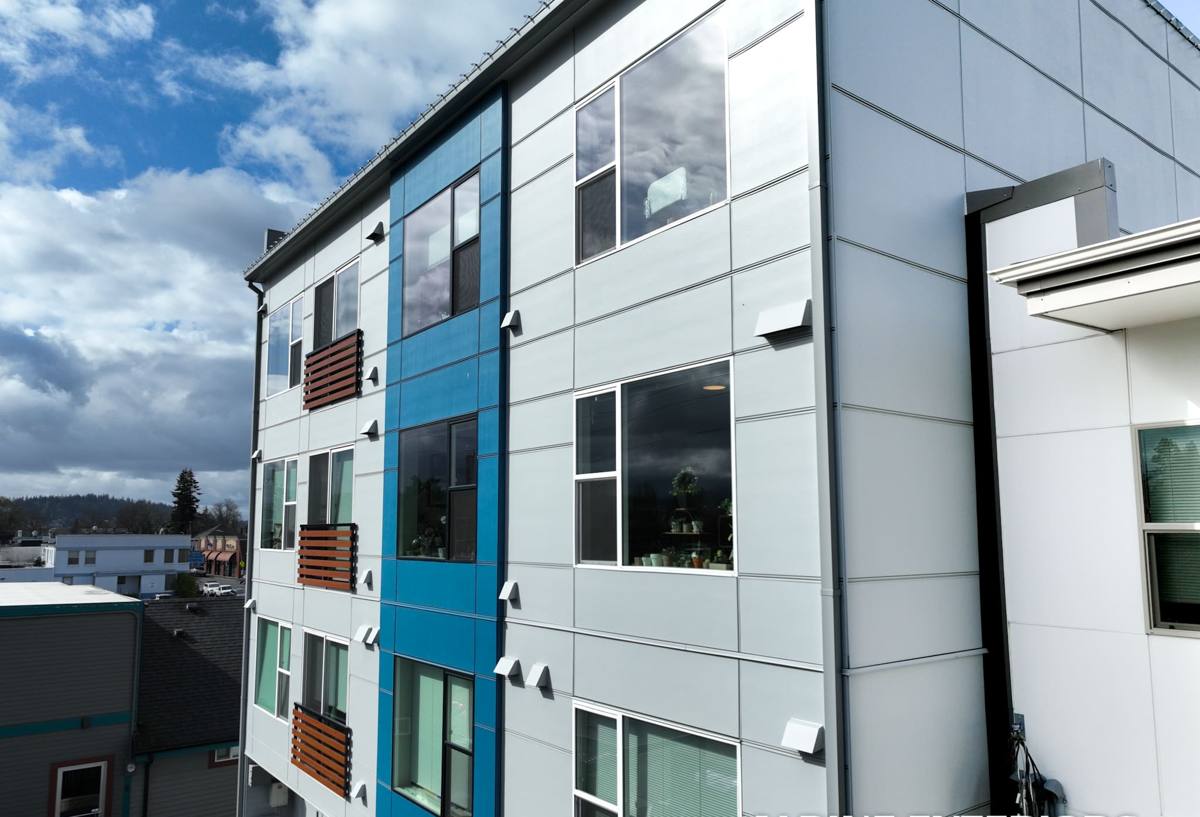
What We See in West Seattle Homes
A lot of West Seattle's housing stock is older — craftsman bungalows, older ramblers, and mid-century homes with original or early-replacement windows. The problems we run into most often include:
- Single-pane wood windows with paint-sealed sashes that no longer open, and rot at the sill where water has been sitting for years
- Older aluminum-frame windows that conduct cold straight through, leading to condensation and mold on the interior frame in winter
- Dual-pane vinyl windows from a prior replacement, now fogged between the panes because the seal failed — common once these units pass the 15-20 year mark
- Gaps around window trim where the original flashing was skipped or installed incorrectly, letting wind-driven rain track behind the siding
- Moss and organic staining building up on horizontal trim and sills that stay shaded through the wet months
None of these are unusual for the area — they're the predictable result of decades of Puget Sound weather working on a home. The point of a good replacement is to address the cause, not just swap the glass.
What a Correct Installation Actually Involves
It's Not Just the Window Unit
The window itself is only part of the job. In a climate with sustained wind-driven rain, the flashing and sealing details around the opening matter as much as the window's build quality. A correct installation includes:
- Removing the old unit and inspecting the framing and sheathing underneath for hidden rot or moisture damage before anything new goes in
- Installing proper flashing — sill pan, side flashing, and head flashing — so any water that does reach the opening drains back out instead of into the wall cavity
- Sealing with the right materials in the right sequence (housewrap integration, backer rod and sealant at the perimeter, not just a bead of caulk around the trim)
- Insulating the gap between the window frame and rough opening so there's no thermal bridge or air leak
- Reinstalling or replacing exterior trim so water sheds away from the window rather than pooling against it
Skipping any of these steps is how a brand-new window ends up with the same rot problem in five or ten years. We treat the flashing and sealing details as the actual core of the job — the window unit is just what you see.
Repair Damage Before It's Covered Up
If we find soft or rotted framing during removal, that gets addressed before the new window goes in. Installing a new window over damaged framing just hides the problem and lets it keep spreading behind the wall — a bad trade for a homeowner who's paying for a fix, not a cover-up.
Choosing the Right Window for a Marine Climate
Frame material matters more here than in a dry inland climate, because salt air and constant moisture exposure accelerate wear on anything that isn't suited for it. There's no single "best" material for every home — it depends on your budget, your home's style, and how much upkeep you want to take on.
| Frame Material | Performance in Salt Air & Rain | Maintenance | General Cost Range |
|---|---|---|---|
| Vinyl | Good — won't rust or rot, handles moisture well | Low — occasional cleaning | Lower |
| Fiberglass | Excellent — very stable in temperature and moisture swings, resists salt corrosion | Low | Mid to higher |
| Wood (clad exterior) | Good exterior protection from cladding, but interior wood still needs care if seals fail | Moderate to higher | Higher |
| Aluminum | Prone to condensation and corrosion near salt air unless thermally broken | Moderate | Varies |
For homes closer to the water and more exposed to wind, we generally steer clients toward vinyl or fiberglass for the frame, both of which shrug off salt air and moisture cycling without the corrosion risk that untreated aluminum carries or the upkeep that solid wood requires. Wood-clad windows can still be the right call on a home where the look matters — we just make sure the client understands the maintenance commitment that comes with it.
Glass Packages Worth Considering
Beyond the frame, the glass package affects comfort and energy use year-round. Dual-pane with a Low-E coating is standard for this climate — it cuts heat loss in winter and reduces glare and heat gain in summer. Argon gas fill between panes adds a modest efficiency boost. If your home faces wind or gets road or ferry-traffic noise, laminated glass options can also cut down on sound transmission, which is worth asking about if your windows face a busier street.
Our Process
1. On-Site Assessment
We walk the exterior and interior with you, look at the current windows and the condition of the surrounding trim and siding, and flag anything — rot, old flashing, failed seals — that needs attention beyond the window itself.
2. Straightforward Recommendation
We'll walk you through frame and glass options that fit your home, your budget, and how exposed your walls are to wind and rain, without pushing a specific brand or upsell.
3. Precise Measurement and Ordering
Every opening gets measured individually — older homes are rarely perfectly square, and a unit that's slightly off won't seal correctly no matter how careful the installation is.
4. Installation Done Right
Removal, inspection, flashing, insulation, sealing, and trim — done in that order, with attention to the details that matter in this climate, not just the ones that are visible from the curb.
5. Cleanup and Walkthrough
We clear the work area and walk the finished windows with you so you know how to operate and maintain them.
Permits and Code in Seattle
Window replacement in Seattle can require a permit depending on the scope of work, especially if the opening size changes or the work affects egress requirements in a bedroom. If your home is in a designated historic district, there may be additional review for exterior appearance changes. We handle the permit process as part of the job so you're not left figuring out King County and city requirements on your own.
Signs It's Time to Replace
- Visible fogging or moisture between panes of a dual-pane window
- Windows that are difficult to open, close, or lock, or that have been painted shut
- Cold drafts near the window frame even when it's fully closed
- Soft, discolored, or crumbling wood at the sill or surrounding trim
- Visible daylight or gaps around the frame from the interior
- A noticeable jump in heating costs without another clear cause
- Persistent condensation on the interior glass or frame in cooler months
Any one of these on its own might not mean full replacement, but a few together usually point to windows that have reached the end of their useful life for this climate.
Why a West Seattle-Familiar Crew Makes a Difference
West Seattle's housing stock, terrain, and weather exposure are specific enough that experience here counts for something. A crew that regularly works this peninsula already understands how these homes were originally built, what kind of rot and wear to expect at this stage in their life, and how to navigate the narrower streets and steeper lots common in the area. That familiarity shows up in fewer surprises during the job and a better match between the window we recommend and what your home actually needs to hold up against Sound-driven wind and rain year after year.
If you're weighing whether to repair, patch, or fully replace your windows, we're happy to take a look and give you a straight answer — no pressure, no upsell. Reach out for a free estimate using the form below, and we'll walk your home with you and talk through what makes sense for your budget and your timeline.