 Seattle
 Windows in the University District Face a Different Kind of Wear
The University District sits close enough to Seattle's lakes and the Puget Sound weather system that its housing stock takes a steady beating from moisture, not heat or hail. Homes here range from early-1900s Craftsman bungalows near the core of the neighborhood to mid-century duplexes and newer infill construction closer to the light rail corridor. Whatever the era, the windows on these houses share the same enemies: long stretches of driving rain, salt-tinged air moving in off Puget Sound, and a moss season that can run from October well into April. Window replacement here isn't just about a fresh look or a lower energy bill — it's about closing off the entry points that King County's wet season exploits year after year.
We've worked on enough University District homes to know that a window that performs fine in a drier climate can fail early here if it isn't installed with this specific weather pattern in mind. That's the difference between a window that looks right on day one and one that still seals, drains, and operates smoothly a decade later.
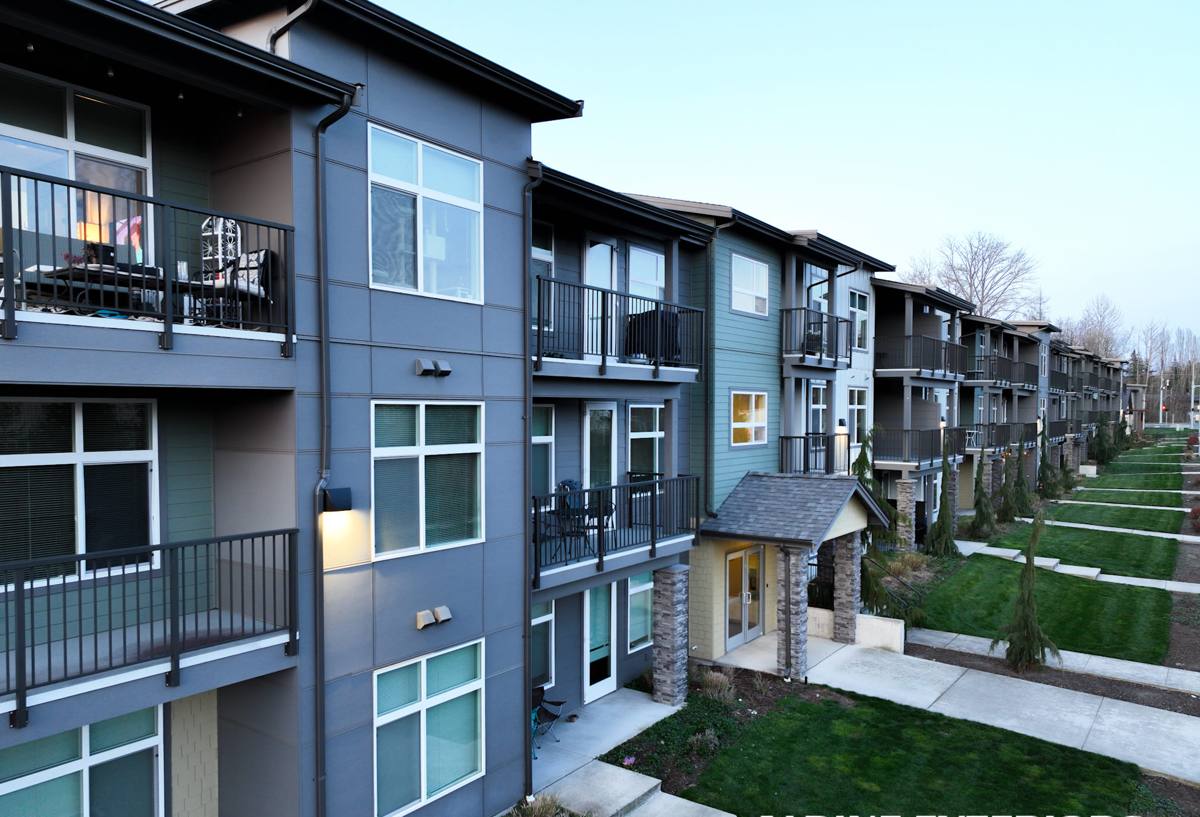
What Seattle's Climate Actually Does to Older Windows
Driving Rain and Wind-Driven Moisture
Seattle rain is rarely a hard downpour — it's a persistent, wind-pushed drizzle that finds its way into gaps a heavier storm might just run off of. Older aluminum and single-pane wood windows in University District homes often show water staining at the sill or corners first, long before the glass itself fails. That staining is usually a sign the flashing or sealant has broken down, not that the whole wall assembly is compromised — but left alone, it will get there.
Moss and Organic Growth
Moss doesn't just grow on roofs. On shaded sides of a house — common in this tree-lined neighborhood — it colonizes window sills, trim, and any spot where moisture sits instead of draining. Moss holds water against wood and painted surfaces far longer than open air would, which accelerates rot in sills and jambs that already have decades of paint layers hiding early damage.
Salt Air and Metal Fatigue
University District's proximity to the water means a low but constant level of salt-laden air moving through, even on a clear day. Over years, that air corrodes aluminum window hardware, weep holes, and unprotected fasteners faster than it would inland. This is one of the biggest reasons we steer homeowners away from bare aluminum frames and toward vinyl or clad-wood options with corrosion-resistant hardware — not because aluminum is a bad material everywhere, but because it asks for more maintenance in this specific air.
Signs a University District Home Needs Window Replacement Now
- Visible water staining, bubbling paint, or dark discoloration at the sill or lower corners
- Moss or algae growth on window trim, especially on the north or shaded side of the house
- Windows that are difficult to open, stick in humid weather, or won't stay up without a prop
- Condensation forming between panes on double-glazed units — a sign the seal has failed
- Noticeable drafts or cold spots near the frame during winter storms
- Soft or spongy wood when you press a screwdriver gently into the sill or jamb
- Rising heating bills without any other clear explanation
Any one of these on its own might just need a repair. Several together, especially on a home over 20 years old, usually means the frames and seals have reached the end of their useful life.
What a Correct Window Replacement Involves Here
A window replacement done right in this climate is as much about what happens around the window as the window unit itself. We treat every opening as a small waterproofing project, not just a frame swap.
Removing the Old Unit Without Hiding Problems
When we pull an old window, we check the framing underneath for rot before anything new goes in. In older University District homes, this is often where hidden damage from years of moss and slow leaks turns up. Covering that over with a new window and trim would just seal the problem inside the wall.
Flashing and Drainage First
Proper flashing — sloped sill pans, correctly lapped house wrap or building paper, and sealed integration with the siding — matters more here than in drier regions because the window will be tested by weather almost every month of the year. Weep holes and drainage paths need to stay clear and functional, especially in frames that will collect moss-prone runoff from above.
Sealing Without Trapping Moisture
We use sealants and installation methods that shed water outward rather than trapping it against wood or framing. A window that's sealed too tightly on the wrong side can actually hold moisture in rather than keep it out, which is a common cause of premature rot behind newer-looking trim.
Choosing the Right Window Material and Style for This Neighborhood
| Material | How It Handles Seattle's Climate | Maintenance | Good Fit For |
|---|---|---|---|
| Vinyl | Won't rot or corrode; handles constant moisture well | Low | Most homes, especially rentals and value-focused replacements |
| Fiberglass | Very stable in temperature swings and damp conditions | Low | Homes wanting durability with a more refined look |
| Clad Wood | Interior wood warmth with an exterior shell that resists moisture better than bare wood | Moderate | Craftsman and older character homes near the neighborhood core |
| Bare Wood | Needs consistent repainting and sealing to resist moss and rot here | High | Historic restorations where authenticity matters more than upkeep |
| Aluminum | Prone to corrosion and condensation in salt-influenced, wet air without added protection | Moderate to High | Limited applications; we typically recommend an alternative for full replacements |
For most University District homes, we lean toward vinyl or fiberglass for straightforward replacements, and clad wood when a homeowner wants to preserve the look of an original Craftsman or bungalow front. Bare wood and uncoated aluminum aren't off the table, but we're upfront that they come with a higher maintenance commitment in a climate that rarely gives windows a break.
Glass Packages Worth Considering
Double-pane, low-E glass is close to standard now and makes sense almost everywhere in King County. For homes on busier streets near the University District's more commercial stretches, an upgraded glass package can also cut down on street noise, which is a secondary benefit homeowners often don't ask about until after the work is done.
Our Process for a University District Window Job
- On-site assessment — we look at every window from both inside and outside, checking frames, sills, and surrounding siding for moisture damage or moss buildup
- Honest scope discussion — some windows may only need repair or resealing; we won't push a full replacement where it isn't needed
- Material and glass selection — matched to the home's style, sun exposure, and how much upkeep the homeowner wants to take on
- Removal and framing check — old units come out carefully so we can inspect and, if needed, repair the framing before anything new goes in
- Flashing, sealing, and installation — done with this climate's rain and moss patterns in mind, not a generic installation checklist
- Final inspection and cleanup — operation, seal, and drainage checked before we consider the job finished
Why Local Experience Matters More Than It Seems
Window replacement is a trade that looks similar everywhere on paper, but the details that make a job hold up are regional. A crew that mostly works drier climates may not think twice about flashing details or weep hole placement that are routine to us because we deal with King County's rain and moss season every year. Knowing which sides of a University District home tend to stay shaded and damp, which older homes in the area were built with sills prone to trapping water, and which materials actually hold up under salt-influenced air isn't something you pick up from a manual — it comes from doing the work here repeatedly.
That local pattern recognition is often what separates a window replacement that needs attention again in five years from one that quietly does its job for two decades.
What Affects the Cost of a Window Replacement
| Cost Factor | Why It Matters |
|---|---|
| Number and size of windows | More openings or larger picture windows mean more material and labor |
| Material chosen | Vinyl tends to be the most budget-friendly; clad wood and fiberglass cost more upfront |
| Condition of existing framing | Rot or moisture damage found during removal adds repair work before installation |
| Glass package | Upgraded low-E or noise-reducing glass adds cost but can pay back in comfort and efficiency |
| Access and home style | Older homes with unusual window sizes or difficult access can add labor time |
We give straightforward, itemized pricing so homeowners can see exactly what's driving the cost, rather than a single lump number that hides where the money is going.
Get a Straightforward Estimate for Your Home
If your University District home has windows showing water staining, moss buildup, drafts, or fogging between the panes, it's worth having them looked at before another wet season adds to the damage. We offer a free, no-pressure estimate — we'll tell you honestly what your windows need, whether that's full replacement or something less. Use the form below to get started.