 Seattle
 Kirkland's Climate Puts Real Demands on Your Siding
Kirkland sits on the eastside of Lake Washington in King County, and like most of the greater Seattle area, it gets a heavy dose of Pacific Northwest weather. Long, wet winters, months of overcast humidity, and a marine climate that moves moist air through the region all add up to conditions that wear on exterior building materials faster than homeowners expect. Add in the tree cover and hillside lots common throughout Kirkland's neighborhoods, and you get shaded, slow-drying wall surfaces that are practically an invitation for moss and algae growth.
None of this is unusual for the region, and it isn't a reason to worry about your home. It's simply the reality every siding installation in this area has to account for. Siding that isn't installed with the right drainage details, the right fasteners, and the right moisture-resistant material will show problems well before its time — swelling at the bottom edges, soft spots around windows, streaking and moss buildup on north-facing walls, and paint that fails years ahead of schedule.
The good news is that these problems are almost entirely preventable. They come down to two things: choosing a siding material engineered to handle wet, humid climates, and having it installed correctly the first time. That's the whole focus of this page.
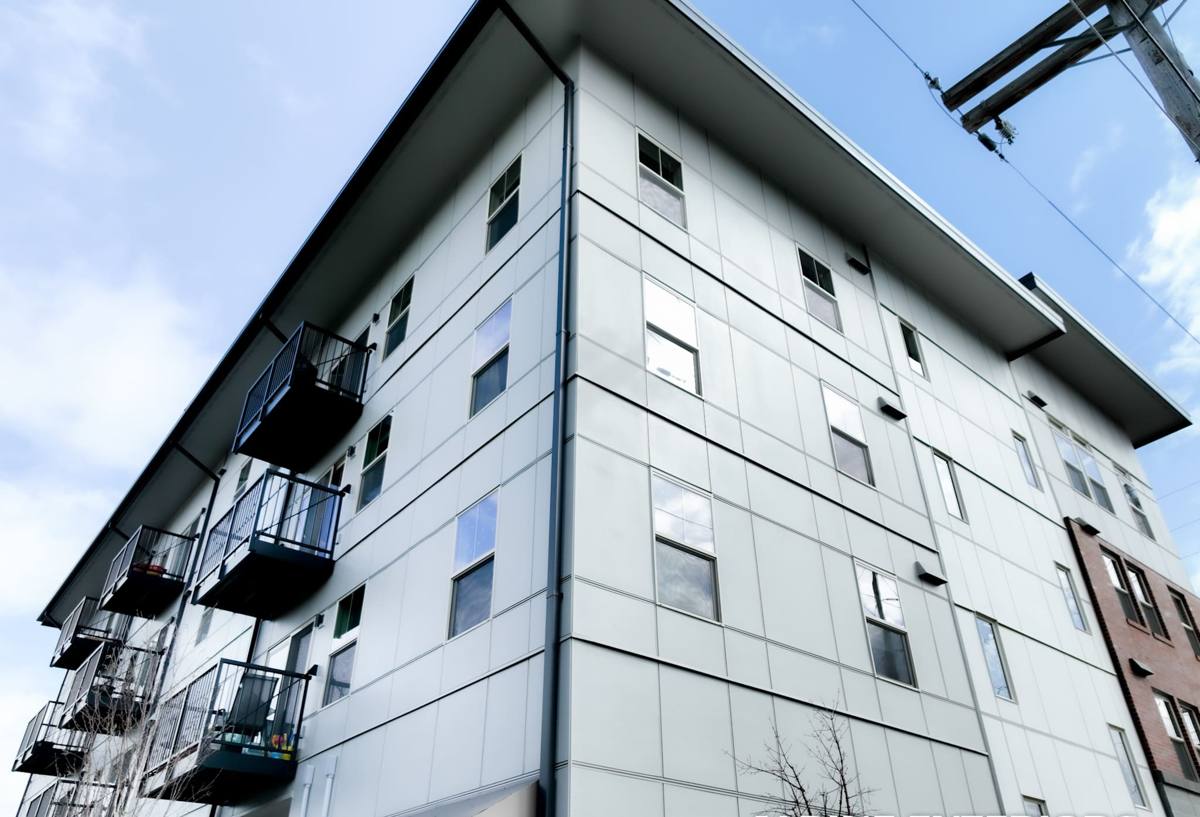
What Correct Siding Installation Actually Involves
Siding installation looks simple from the curb, but the parts that determine whether it lasts are the parts you never see once the job is done. A rushed or corner-cutting install can look identical to a correct one on day one and still fail within a few years.
Weather-Resistive Barrier and Drainage Gap
Every wall needs a continuous weather-resistive barrier behind the siding, with seams properly lapped and taped so water is shed downward and out, not trapped against the sheathing. In a climate as wet as ours, a drainage gap or rainscreen behind the siding gives any moisture that does get past the surface a path to escape and dry out, instead of sitting against the wall.
Flashing at Every Penetration
Windows, doors, hose bibs, vents, and deck ledgers are where the vast majority of siding failures start. Correct installation means flashing installed above and around every one of these penetrations, with materials layered so water always sheds outward and downward — never relying on caulk alone to keep water out.
Fastening and Clearances
Fiber cement siding has a manufacturer-specified fastening pattern, nail type, and embedment depth. Getting this wrong — over-driving nails, using the wrong fastener, or skipping stud lines — leads to cracking, popped boards, and voided warranty coverage. Clearance from grade, roof lines, and decks also matters: siding installed too close to the ground or to a roof surface stays wet longer and traps debris.
Caulking, Trim, and Finish
The finish details — trim boards, corner treatments, caulking at joints — are what most homeowners judge a job by, but they only hold up long-term when everything behind them was done correctly. Good trim work on a poorly flashed wall just hides a problem instead of preventing one.
Why We Install Only James Hardie Fiber Cement Siding
We've made a deliberate decision to install James Hardie fiber cement siding exclusively. We don't install vinyl, LP SmartSide, cedar, or other fiber cement brands. That's not a marketing position — it's a standard we hold because of what we've seen hold up in this climate and what hasn't.
Built for Moisture, Not Just Weather-Resistant
James Hardie siding is fiber cement: a mix of cement, sand, and cellulose fibers engineered to resist swelling, warping, and moisture damage in ways that wood-based and vinyl products can't match. In a region where siding stays damp for days at a stretch during the winter, that difference matters over the life of the product, not just in a showroom.
Climate-Engineered Product Lines
Hardie manufactures its siding in different formulations for different climate zones (HZ5 for colder, wetter regions like ours), which means the product King County homes get is built specifically to perform in this kind of weather, not a one-size-fits-all version.
Non-Combustible
Fiber cement doesn't burn. With wildfire smoke and dry-season fire risk becoming a bigger concern even west of the Cascades in recent years, a non-combustible exterior is a real, practical advantage — not just a selling point.
ColorPlus Factory Finish and Warranty
Hardie's ColorPlus finish is baked on at the factory under controlled conditions, which gives more consistent, longer-lasting color than field-applied paint — important in a climate that's brutal on exterior paint jobs. It's backed by a strong, transferable limited warranty, which also matters if you sell the home down the road.
How Hardie Compares to Other Siding Options
Homeowners in Kirkland often ask us to explain why we don't offer the alternatives other contractors sell. Every material has real strengths — this is simply how they compare on the factors that matter most in our climate.
| Material | Moisture Behavior | Fire Resistance | Typical Maintenance | Realistic Lifespan Here |
|---|---|---|---|---|
| James Hardie Fiber Cement | Engineered to resist swelling and rot | Non-combustible | Occasional wash, minimal repainting with ColorPlus | 30-50+ years with correct install |
| Vinyl | Doesn't absorb water but can warp, crack, or gap in cold and heat cycling | Combustible, can melt or deform near heat sources | Low, but panels are hard to color-match if damaged | 20-30 years, shorter with UV and impact wear |
| LP SmartSide (engineered wood) | Treated for moisture but wood-based, sensitive to sustained wet exposure | Combustible | Requires diligent caulking and repainting maintenance | Variable, heavily dependent on installation and upkeep |
| Cedar | Natural material, absorbs and releases moisture, prone to rot without upkeep | Combustible | High — regular staining/sealing required | 15-30 years, shorter with poor maintenance |
Vinyl and engineered wood products both have legitimate uses and loyal installers. Our decision to standardize on Hardie comes down to wanting one product we can stand behind fully in this specific climate, install to a consistent spec, and warranty with confidence — rather than juggling different materials with different failure points.
Our Siding Installation Process in Kirkland
Every home is different, but our process follows the same disciplined steps on every job, whether it's a small hillside home or a larger property near the lake.
- Inspection and assessment. We evaluate the existing siding, sheathing, and any moisture damage before quoting the job, so there are no surprises once removal starts.
- Removal and sheathing check. Old siding comes off and we inspect the sheathing underneath for rot or damage, addressing any issues before new material goes up — covering a problem is never an option.
- Weather-resistive barrier installation. A continuous barrier goes on with properly lapped and sealed seams, sized and detailed for the specific wall assembly.
- Flashing at every penetration. Windows, doors, and other openings get flashed before siding installation begins, not patched afterward.
- Hardie siding installation to manufacturer spec. Fastening pattern, clearances, and joint treatment follow James Hardie's published installation requirements, which is what keeps the warranty intact.
- Trim, caulking, and finish work. Corners, trim boards, and joints are finished for a clean, tight appearance that also performs.
- Final walkthrough. We walk the completed job with the homeowner and address anything before calling it finished.
Signs Your Kirkland Home May Need New Siding
- Moss or dark streaking building up on shaded walls, especially north- and east-facing sides
- Paint that's peeling, bubbling, or fading noticeably faster than the rest of the house
- Soft or spongy spots when you press on the siding, particularly near the bottom edge or below windows
- Visible warping, cupping, or gaps between boards or panels
- Cracking around nail heads or at panel seams
- Rising energy bills that suggest the wall assembly isn't insulating or sealing the way it should
- Interior signs like musty smells, discoloration, or damp drywall on exterior-facing walls
Any one of these on its own isn't necessarily an emergency, but several together usually mean it's time for a real inspection rather than a patch job.
Why Hiring a Crew That Already Works in Kirkland Matters
Siding installation isn't uniform across King County. A crew that regularly works Kirkland's mix of hillside lots, mature tree canopy, and older housing stock alongside newer construction already knows how to plan around drainage challenges, shaded walls prone to moss, and the access issues that come with sloped or tightly landscaped properties. That experience shows up in fewer surprises mid-project and a finished job that's detailed for how the site actually behaves, not just how it looks on a plan.
It also matters for scheduling and sequencing. Our regional weather means there's a real window each year where siding work goes smoothly, and a crew unfamiliar with the local rain patterns can end up rushing details or working in conditions that compromise the install. Local experience means better planning around that reality.
What to Expect After Installation
Correctly installed James Hardie siding is low-maintenance, not no-maintenance. We recommend an annual visual check for cracked caulking, debris buildup at the bottom edge, or moss starting to take hold in shaded areas — catching these early keeps small issues from becoming bigger ones. Because the ColorPlus finish is factory-applied, most homeowners won't need to repaint for many years, which is a meaningful difference from wood-based siding that needs regular recoating to stay protected in this climate.
If you're weighing a siding replacement for your Kirkland home, we're happy to walk the property, point out what we see, and give you an honest assessment — including whether replacement is even necessary yet. Reach out for a free, no-pressure estimate using the form below.