 Seattle
 Roofing in a Neighborhood Built Under Tree Cover
Green Lake is one of the greener pockets of Seattle in the literal sense — mature conifers and deciduous canopy ring the park and spill into the surrounding blocks, shading roofs for much of the day. That shade is part of why people love the neighborhood, and it's also why roofs here age differently than roofs on an open, sun-exposed lot elsewhere in King County. Add in the driving rain that blows off the water during fall and winter storms, the salt-tinged marine air that moves through the Puget Sound region, and a moss season that can run eight or nine months out of the year, and you have a specific set of demands that a generic roofing job doesn't always account for.
A roof replacement done right in this part of Seattle isn't just about swapping old shingles for new ones. It's about building a roof system that sheds water fast, breathes properly, and resists the organic growth that thrives in shaded, damp conditions. This page covers what that actually looks like.
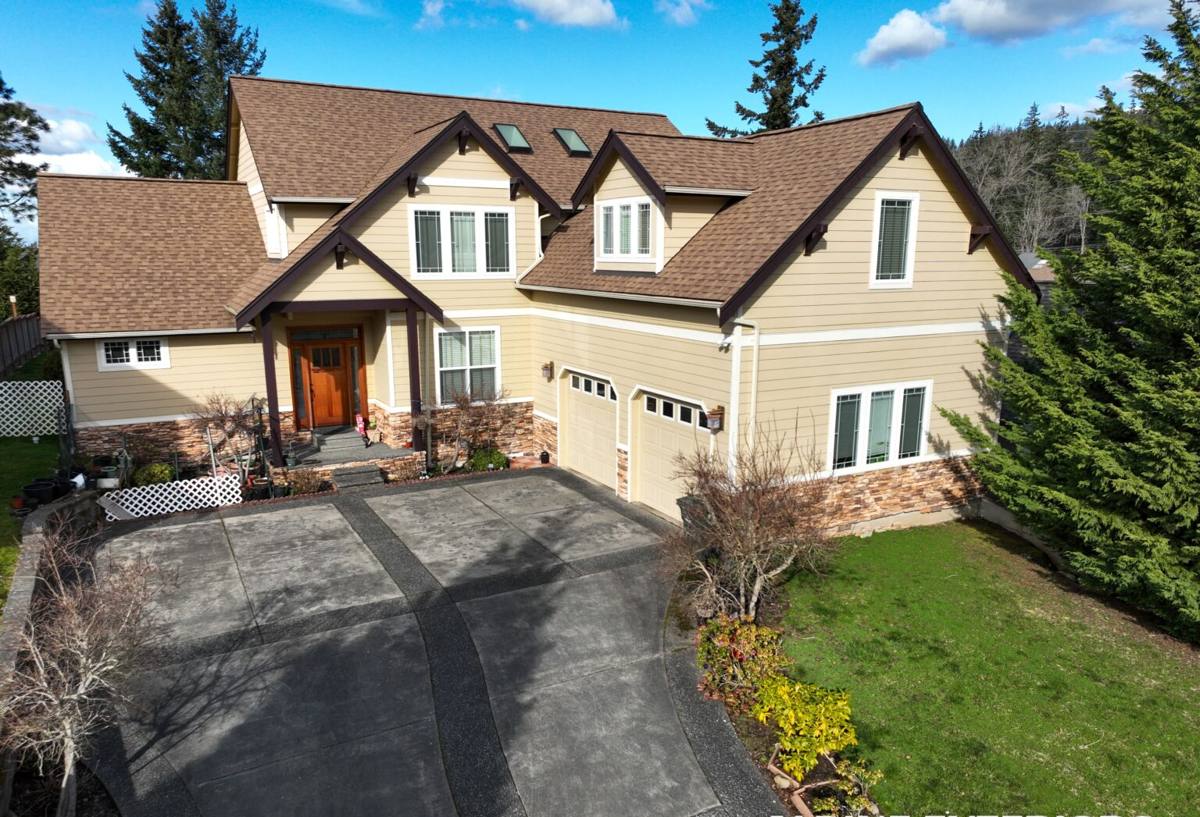
Why Green Lake Roofs Wear Differently
Shade and Moisture Don't Dry Out
A roof in full sun gets a chance to dry between storms. A roof shaded by tall trees for half the day stays damp longer, which gives moss, moisture, and algae more time to take hold in shingle granules, valleys, and north-facing slopes. Over years, that constant dampness softens shingle mat, degrades adhesive seals, and shortens the effective life of the roofing material — even if the shingles are rated for 25 or 30 years on paper.
Debris Load
Needles, leaves, and small branches collect in valleys and behind chimneys and dormers faster on a tree-covered lot. Left alone, that debris holds water against the roofing surface and clogs gutters, which backs water up under shingle edges. Any replacement plan for this area should include a gutter and drip-edge detail suited to heavier debris load, not just a standard install.
Driving Rain and Wind-Driven Water
Seattle storms often come in sideways off the water rather than straight down. That means water gets pushed up under shingle tabs, around flashing, and into gaps that would stay dry in a calmer rain pattern. Underlayment choice and flashing detail matter more here than in drier climates, where a roof can get away with looser tolerances.
What a Correct Roof Replacement Actually Involves
A roof replacement is more than a new layer on top of the old one — and in most cases, code and good practice both require a full tear-off rather than an overlay. Here's what a properly sequenced job includes:
- Full tear-off of existing roofing material down to the deck
- Inspection of the roof deck for soft spots, rot, or delamination, with replacement of any damaged sheathing
- Installation of ice-and-water shield at eaves, valleys, and penetrations — critical in a climate with prolonged wet weather
- Synthetic underlayment across the full deck for a secondary water barrier
- New flashing at all chimneys, skylights, walls, and roof-to-wall transitions
- Proper intake and exhaust ventilation sized to the attic volume
- Correct nailing pattern and fastener placement per manufacturer specification
- New drip edge and, where needed, gutter apron to handle debris and heavy rain volume
Skipping any one of these steps doesn't always show up right away. It shows up three, five, or eight years later as a leak, premature granule loss, or a moss colony that keeps coming back no matter how many times it's power-washed off.
Choosing the Right Roofing Material for a Shaded, Wet Lot
There's no single "best" roofing material for every home — it depends on the home's structure, budget, and how much shade and moss exposure the roof actually gets. Here's an honest comparison of the main options homeowners in this part of Seattle typically weigh:
| Material | Moss & Moisture Resistance | Typical Lifespan | Trade-offs |
|---|---|---|---|
| Architectural asphalt shingle | Good with algae-resistant granules; still needs periodic cleaning in heavy shade | 25–30 years | Best value; widest style and color range; moderate maintenance in shaded areas |
| Metal (standing seam or panel) | Excellent — sheds moisture fast, little surface for moss to grip | 40–60 years | Higher upfront cost; can be louder in heavy rain without proper underlayment; fewer style options for some home styles |
| Cedar shake | Poor in shaded, damp settings without diligent upkeep | 20–30 years with maintenance | Attractive on older bungalows, but moisture retention and maintenance burden make it a harder recommendation on tree-covered lots |
| Synthetic/composite shake | Good — engineered to resist moisture uptake better than natural wood | 30–50 years | Higher cost than asphalt; appearance and installation quality vary by manufacturer |
For a lot with the kind of shade and moisture exposure common around Green Lake, we generally steer homeowners toward algae-resistant architectural shingles or metal, depending on budget and roof style. We're upfront that cedar shake, while it suits the character of many older homes in this area, carries a real maintenance burden in constant shade — that's a maintenance and moisture-behavior trade-off, not a knock on the product itself.
Ventilation and Moisture Control Matter as Much as the Shingles
A new roof with poor attic ventilation is still a roof headed for trouble. In a climate with this much annual rainfall and humidity, trapped attic moisture condenses on the underside of the deck, feeds mold growth, and can rot sheathing from the inside out — problems that have nothing to do with the shingle brand and everything to do with airflow. A correct replacement includes balanced intake (soffit vents) and exhaust (ridge or box vents) sized to the attic's square footage, not just whatever vent style was already there.
Our Roof Replacement Process
- On-site inspection: We assess the current roof, deck condition, ventilation, and any moss or moisture issues specific to your lot's sun exposure and tree cover.
- Written estimate: A clear scope of work and price — no vague line items, no pressure to decide on the spot.
- Material selection: We walk through options suited to your home's structure, style, and this climate, including honest trade-offs for each.
- Permitting: We handle the permit process required for full roof replacements in Seattle before work begins.
- Tear-off and deck inspection: Old material removed, deck checked and repaired as needed.
- Installation: Underlayment, flashing, ventilation, and roofing material installed to manufacturer and code specification.
- Final walkthrough: We review the completed work with you and address any questions before calling the job done.
What Drives the Cost of a Roof Replacement
Every roof is different, so we won't quote a number without seeing yours — but the main factors that move a price up or down are consistent:
- Roof size (square footage) and the number of planes, valleys, and penetrations
- Pitch and accessibility — steep or hard-to-reach roofs take longer and require more safety setup
- Current deck condition — hidden rot or soft sheathing adds material and labor
- Material chosen — asphalt, metal, and composite shakes carry different material and labor costs
- Ventilation and flashing upgrades needed to bring an older roof system up to current standards
- Tear-off complexity — number of existing layers and disposal requirements
We give straightforward, itemized estimates so you can see exactly what you're paying for and why, rather than a single lump number.
Signs Your Roof Needs Replacing, Not Just Repair
Not every roof problem calls for a full replacement — but in a climate this wet, small issues can compound quickly. Watch for:
- Granule loss showing up as grit in gutters or downspouts
- Shingles that are cupping, curling, or cracking, especially on shaded slopes
- Persistent moss growth that returns within a season of cleaning
- Daylight visible through the roof deck from inside the attic
- Soft or spongy spots when walked on, or sagging along the ridge or eaves
- Interior water stains on ceilings after heavy rain
- A roof approaching or past its material's expected lifespan, especially if it's never been replaced
If you're seeing two or more of these, it's worth having someone look at the whole system rather than patching one spot at a time.
Why It Matters to Hire a Crew That Works This Neighborhood
Roofing crews that regularly work in and around Green Lake understand how shade patterns, tree cover, and King County's wet-season timing affect scheduling, material choice, and long-term performance. That familiarity shows up in practical ways — knowing which slopes on a shaded lot need extra attention to moss and moisture, sequencing a tear-off around the wettest months, and understanding what Seattle's permitting and inspection process actually requires before work starts. It's the difference between a roof that's simply installed and one that's installed correctly for where it sits.
If your roof is showing its age or you're planning ahead rather than waiting for a leak, we're happy to take a look and walk you through your options honestly. Reach out for a free, no-pressure estimate using the form below — we'll assess your roof, answer your questions, and give you a clear picture of what a correct replacement would involve for your home.