 Seattle
 Asphalt Shingle Roofing Built for Renton's Weather
Renton sits where the Puget Sound climate does its worst work on a roof: long stretches of steady rain from fall through spring, humid air off the water, and short winter days that never quite dry things out. Add King County's moss season — which for most homes here runs eight or nine months out of the year — and you have a climate that is genuinely hard on asphalt shingles if the roof underneath them isn't built correctly. A shingle roof that would last twenty-five years in a dry inland climate can fail early in Renton if the underlayment, ventilation, and flashing weren't done right the first time.
This page covers what we look at, install, and check specifically for asphalt shingle roofs in the Renton area — not a generic roofing overview, but the details that actually matter for homes dealing with driving rain, salt-tinged air, and moss.
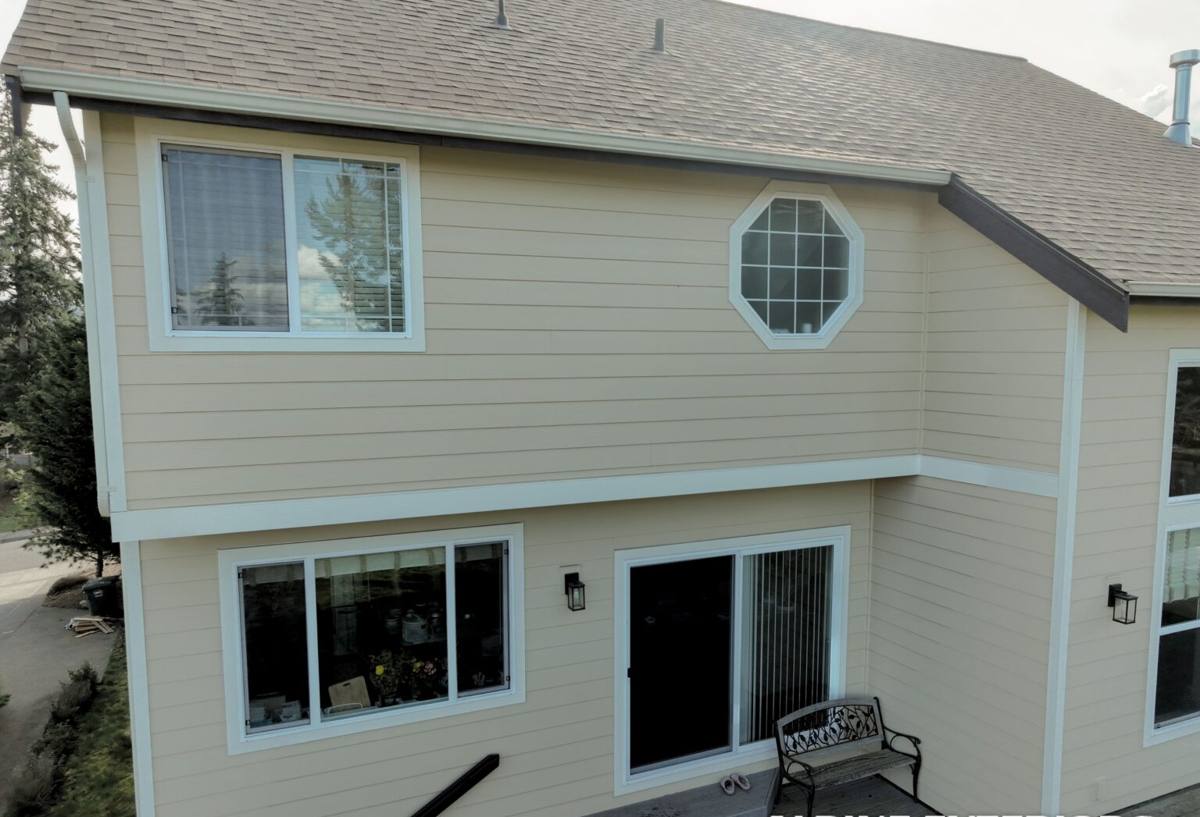
What Renton's Climate Does to a Shingle Roof
Moss and Organic Growth
Moss is the most visible sign of a struggling roof in this area. It doesn't just look bad — moss holds moisture against the shingle surface, works its way under shingle edges as it grows, and can lift tabs enough for wind-driven rain to get underneath. Roofs with poor sun exposure, overhanging trees, or shaded north slopes are the worst affected, and Renton has plenty of all three.
Driving Rain and Wind-Driven Moisture
Storms coming off the Sound don't always fall straight down. Wind-driven rain pushes water sideways and upward under shingle tabs, around chimneys, and at valleys and step flashing. A roof that's fine in a light drizzle can leak in a sideways November storm if flashing details were cut corners on.
Salt Air and Corrosion
Homes closer to Lake Washington and the broader Puget Sound corridor deal with a mild but persistent salt-air exposure that speeds up corrosion on exposed metal — nail heads, flashing, vent caps, and gutter hardware. Cheap or exposed fasteners corrode faster here than they would inland, which is part of why fastener and flashing choice matters more in this region than the shingle brand itself.
What a Correctly Installed Shingle Roof Includes
An asphalt shingle roof is really a system, not a single product. Get any one layer wrong and the shingles on top won't perform the way the manufacturer promises. For Renton conditions, we treat these as non-negotiable:
- Ice-and-water shield at eaves, valleys, and around all penetrations — the areas where wind-driven rain and ice-dam-style backup are most likely to force water under the shingle field
- Synthetic underlayment across the full roof deck as a secondary water barrier, not just the older felt paper that degrades faster under repeated wet-dry cycles
- Balanced attic ventilation — intake at the eaves and exhaust at the ridge, sized to the attic's square footage, so moisture doesn't get trapped under the deck and rot it from underneath
- Corrosion-resistant flashing and fasteners at every chimney, skylight, sidewall, and valley, given the salt-air exposure common across the area
- Proper nailing pattern — correct nail count and placement per shingle, which affects both wind rating and manufacturer warranty validity
Skipping any of these doesn't always show up right away. It shows up two or three winters later, when the first heavy rain finds the weak point.
Signs a Renton Roof Needs Repair or Replacement
Because moss and moisture damage build up gradually, a lot of homeowners don't realize how much a roof has deteriorated until there's an active leak. Some earlier warning signs to watch for:
- Moss or dark algae streaking on north-facing or shaded slopes
- Granules collecting in gutters or at downspout outlets — a sign the shingle surface is wearing thin
- Curling, cupping, or lifted shingle edges, especially on older 3-tab roofs
- Soft or spongy spots on the roof deck, usually found during a walk-on inspection
- Staining on interior ceilings or in the attic near chimneys, skylights, or valleys
- Daylight visible through the roof deck from inside the attic
One or two of these usually means a repair. Several at once, or a roof already past 18–20 years old, usually means it's time to talk about full replacement before a repair becomes a pattern of repeated repairs.
Our Process for a Renton Roofing Job
1. On-Site Inspection
We walk the roof (not just look from the ground), check the attic for ventilation and moisture issues, and inspect flashing points, valleys, and the condition of the decking underneath. Renton's older housing stock means deck condition varies a lot house to house, so we don't quote sight-unseen.
2. Written Estimate
You get a clear scope: tear-off vs. overlay (we don't recommend overlays in this climate — trapped moisture between layers is a real problem here), materials, ventilation work needed, and a firm price before anything starts.
3. Tear-Off and Deck Repair
Old roofing comes off down to the deck so we can actually see what's there. Any soft, rotted, or delaminated decking gets replaced — this is the step that gets skipped by crews trying to keep a bid artificially low, and it's the step that determines whether the new roof lasts.
4. Underlayment, Flashing, and Ventilation
Ice-and-water shield, synthetic underlayment, new flashing at every penetration, and ventilation corrected or upgraded if the attic needs it.
5. Shingle Installation
Installed to manufacturer nailing specs for full wind and warranty coverage, with valleys, ridges, and edges finished to shed water in the direction Renton's storms actually come from.
6. Cleanup and Final Walkthrough
Magnetic sweep for nails, debris hauled off, and a walkthrough so you can see the finished work and ask questions before we consider the job done.
Choosing Shingle Materials for This Climate
Not every shingle product performs the same in a wet, moss-prone climate. Here's how the common options compare for Renton conditions specifically:
| Shingle Type | Typical Lifespan Here | Moss/Moisture Resistance | Best Use |
|---|---|---|---|
| 3-Tab Asphalt | 15–20 years | Lower — thinner profile traps less debris but wears faster in wet cycles | Budget-conscious re-roofs, secondary structures |
| Architectural (Laminate) Asphalt | 25–30 years | Better — thicker, more wind-resistant, sheds water more effectively | Most Renton homes; best balance of cost and performance |
| Algae-Resistant (Zinc/Copper-Granule) Shingles | 25–30 years | Best — granules actively slow moss and algae growth | Shaded lots, north-facing slopes, tree-covered properties |
| Impact-Resistant (Class 4) Asphalt | 25–30 years | Comparable to architectural, added hail/impact durability | Homes wanting extra durability and possible insurance discounts |
For most Renton properties, especially anything with mature trees or partial shade, we lean toward architectural shingles with algae-resistant granules — the upfront cost difference is modest compared to what a homeowner spends on moss treatment and premature repairs over the life of a standard 3-tab roof.
Ventilation: The Detail Most Roofs Get Wrong
Attic ventilation doesn't get much attention from homeowners, but in a climate as wet as Renton's, it's one of the biggest factors in how long a roof actually lasts. Warm, moist air from the living space rises into the attic; without balanced intake and exhaust, that moisture condenses on the underside of the roof deck. Over years, that moisture cycle rots decking, degrades underlayment from below, and creates the exact damp environment moss and algae like on the outside. We check ventilation on every inspection, not just as an add-on — it's part of getting a shingle roof to actually reach its rated lifespan here.
What Affects the Cost of a Shingle Roof in Renton
| Factor | Why It Matters Locally |
|---|---|
| Roof size and pitch | Steeper pitches take longer and require more fall protection and staging |
| Deck condition | Older Renton homes often need partial deck replacement once old roofing is removed |
| Number of valleys, chimneys, skylights | Each penetration needs custom flashing — more of them, more labor and material |
| Ventilation upgrades needed | Adding proper intake/exhaust venting is common on older homes and adds to scope |
| Shingle grade selected | 3-tab, architectural, and algae-resistant products carry different material costs |
| Access and staging | Tight lots, tree cover, or steep driveways affect equipment and dump trailer placement |
Because of these variables, honest pricing on a shingle roof always comes from an actual walk of the property — anyone quoting a firm price over the phone without seeing the roof is guessing.
A Homeowner's Pre-Estimate Checklist
Before we come out, or while you're deciding whether it's time to replace, it helps to have a few answers ready:
- Roughly how old is the current roof, if known
- Any known leak history, and where
- Whether there's visible moss, moisture staining, or granule buildup in gutters
- Whether the attic has visible daylight, mold smell, or condensation
- Any tree overhang or heavy shade on part of the roof
- Whether the home has had prior repairs or a partial re-roof
None of this is required to get an estimate — we'll find most of it ourselves during the inspection — but it helps us give you a clearer picture faster.
Why It Matters That We Work in Renton Regularly
A crew that only occasionally works this part of King County can miss things a local crew catches automatically: how much moss pressure a particular slope orientation will see, which flashing details actually hold up against wind-driven rain off the Sound, and how local permitting and inspection processes run. Working Renton and the surrounding area consistently also means we're not guessing at weather windows — we know which stretches of the year give us dry enough conditions to tear off and dry-in a roof without exposing your home to an unplanned soaking mid-job.
If you're weighing a repair against a full replacement, or just want an honest read on how much life is left in your current shingle roof, we're glad to take a look. Reach out for a free, no-pressure estimate using the form below.