 Seattle
 Beacon Hill's Roofing Climate, Honestly
Beacon Hill sits on a ridge above the Duwamish Valley, and that elevation and exposure mean local roofs take on their own version of Seattle's weather. Homes here get long stretches of driving rain off Puget Sound, damp shaded stretches under mature trees on the north- and west-facing slopes, and the slow, steady moss buildup that comes with a marine climate where roofs rarely get a real chance to fully dry out between October and May. None of that is unusual for King County, but it adds up differently depending on the roof material, and it's a big part of why metal roofing keeps coming up as a serious option for homeowners on the Hill who are tired of re-doing the same repairs every few years.
This page is specifically about metal roofing for Beacon Hill homes — not a general metal roofing overview. The goal is to explain what actually matters for a roof in this neighborhood's conditions, what a correct installation looks like, and why the crew doing the work matters as much as the material itself.
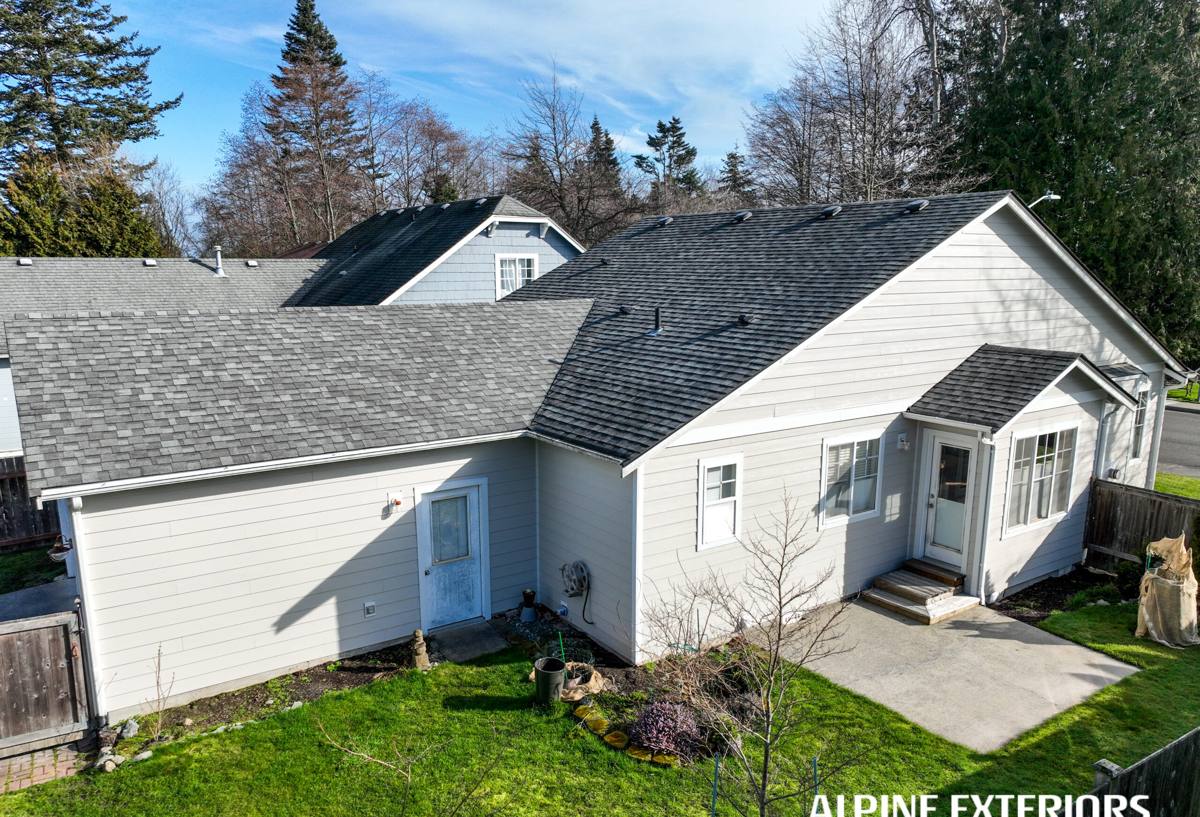
What Rain, Moss, and Salt Air Actually Do to a Roof
Driving Rain
Seattle rain isn't usually a downpour — it's a long, low-intensity soak that finds every gap, lap, and fastener weakness over time. On a roof with poor flashing detail or aging underlayment, that kind of rain doesn't cause dramatic failures right away. It causes slow water intrusion at valleys, chimneys, skylights, and wall transitions that shows up months later as a stain on a ceiling or rot in the sheathing underneath.
Moss and Shade
Beacon Hill has enough tree cover and north-facing rooflines that moss is a near-guarantee on the wrong material. Moss holds moisture against a roof surface, works into laps and seams, and on some materials it actively degrades the surface over time. On metal, moss can't root into the material itself, but it can still accumulate in low-slope areas or wherever debris collects, so panel choice and roof design still matter.
Salt Air and Moisture
Proximity to Puget Sound means a mild but real salt-air component in the regional climate, on top of the near-constant humidity. That combination is hard on unprotected or poorly coated metal, and it's part of why we're selective about which metal roofing products and finishes we install — not every "metal roof" on the market is built for a coastal-influenced marine climate like ours.
Why Metal Roofing Fits This Kind of Roof
Metal roofing isn't the right call for every home or every budget, but for Beacon Hill's conditions it solves several problems at once:
- Continuous panel runs with sealed seams shed driving rain instead of relying on overlapping pieces that can wick water sideways.
- A hard, non-porous surface gives moss and moisture-loving growth nothing to grip into, cutting down on the scrubbing and treatment cycle other roofs need.
- Steep-slope metal sheds standing water fast, which matters on a roof that rarely gets a long dry stretch to fully evaporate.
- Quality coated metal systems are built to handle coastal-influenced, moisture-heavy climates like ours when the coating and fastener system are matched to the environment.
- A well-installed metal roof is a long-term investment — decades of service life when the underlying details (flashing, ventilation, fastening) are done correctly.
That last point is the real caveat: metal roofing's reputation for longevity only holds up if the installation is right. A metal roof installed with the wrong fastener pattern, missing underlayment, or careless flashing work will fail in the same ways — and sometimes faster — as a poorly installed roof in any other material.
Metal Roofing Options for Beacon Hill Homes
Not all metal roofing is the same product wearing different colors. Here's how the common options compare for a home in this climate:
| System | How It's Installed | Best Fit For | Trade-Offs |
|---|---|---|---|
| Standing seam | Concealed fasteners, interlocking vertical seams | Homes wanting the cleanest water-shedding performance and longest service life | Higher upfront cost; installation quality is critical |
| Exposed-fastener panel | Screwed through the panel face with gasketed fasteners | Budget-conscious projects, outbuildings, additions | Fasteners and gaskets need periodic inspection over the roof's life |
| Metal shingle/shake panels | Interlocking panels that mimic shingle or shake profiles | Homeowners wanting metal's durability with a more traditional look | More seams than standing seam, so detailing at valleys matters more |
For most Beacon Hill homes, we lean toward standing seam or a well-engineered interlocking panel system, specifically because concealed or gasketed fasteners hold up better against this region's constant rain exposure than a system that relies on a lot of exposed hardware.
What a Correct Installation Actually Involves
Tear-Off and Deck Inspection
Every metal roofing job starts with removing the old roofing and inspecting the deck underneath. On older Beacon Hill homes, this is where we sometimes find soft or water-damaged sheathing from years of slow leaks under a failing roof — it gets replaced before anything new goes down, not covered over.
Underlayment
Metal roofing needs a synthetic or high-temp underlayment rated for the panel type, with self-adhered membrane at vulnerable areas — valleys, eaves, penetrations. This layer is the backup plan if anything ever gets past the panels, and in a climate that stays wet for months at a time, skipping or skimping on it is one of the most common causes of hidden roof failure.
Flashing and Transitions
Chimneys, skylights, wall intersections, and valleys are where most roof leaks actually start, regardless of material. Correct metal flashing detail — properly lapped, sealed, and integrated with the panel system — is non-negotiable in a rain-heavy climate like this one.
Fastening and Panel Layout
Panel spacing, fastener type, and clip systems (for standing seam) need to account for thermal movement — metal expands and contracts with temperature swings, and a system that doesn't allow for that will eventually work fasteners loose or stress seams.
Ventilation
A metal roof over a poorly ventilated attic can trap moisture underneath, which defeats the point of a durable exterior surface. Ridge and soffit ventilation sized correctly for the roof keeps moist interior air from condensing against the underside of the deck.
Our Process on Beacon Hill Jobs
- On-site assessment. We look at the existing roof, deck condition, ventilation, and any problem areas — valleys, chimneys, low-slope sections — before recommending a system.
- System and material selection. We walk through panel type, gauge, and finish options suited to the home's exposure and the homeowner's budget, explaining the real trade-offs rather than upselling.
- Written scope and timeline. A clear plan covering tear-off, underlayment, flashing detail, and ventilation work, so there are no surprises mid-project.
- Installation. Deck repair as needed, underlayment, flashing, panel installation, and ventilation work, done in the sequence that actually protects the home through the process — not just the finished roof.
- Final walkthrough. We review the completed roof with the homeowner, including what routine maintenance (if any) the system needs going forward.
What Affects the Cost of a Metal Roof Here
| Factor | Why It Matters |
|---|---|
| Panel system chosen | Standing seam typically costs more upfront than exposed-fastener panels, reflecting labor and material differences |
| Roof pitch and complexity | Multiple valleys, dormers, or steep pitches increase flashing work and labor time |
| Deck condition | Rot or damage found during tear-off adds repair scope before new roofing goes on |
| Ventilation needs | Homes with inadequate existing ventilation may need soffit or ridge vent work added |
| Access and site conditions | Steep lots, mature trees, or tight access on some Beacon Hill properties can affect staging and labor |
Metal roofing generally costs more upfront than asphalt shingles, but the honest way to evaluate it is against its service life and reduced maintenance burden — not against the lowest bid on paper. We give straightforward, itemized pricing so homeowners can see exactly what they're paying for.
Maintenance: What a Metal Roof Actually Needs
One of metal roofing's real advantages is a lighter maintenance load, but "low maintenance" doesn't mean "no maintenance," especially in this climate. A basic seasonal checklist:
- Clear debris (needles, leaves, branches) from valleys and low-slope areas where it can trap moisture.
- Check gutters and downspouts are clear so water isn't backing up against roof edges.
- Look at flashing around chimneys, skylights, and vents for any sign of separation or sealant wear.
- Watch for scratches or scuffs in the finish, especially after storms or any work done on the roof, and have them addressed before bare metal is exposed to moisture.
- Have the roof visually inspected every couple of years, or after any major windstorm common to the area.
Why a Local Beacon Hill Crew Matters
Metal roofing installation is detail-sensitive work, and the details that matter most — flashing at tricky transitions, underlayment choices, ventilation sizing — are the ones that get learned by doing them repeatedly in a specific climate, not from a manufacturer's install manual alone. A crew that regularly works Beacon Hill and the surrounding Seattle neighborhoods has already seen how local roof pitches, tree cover, and rain patterns play out over time, and builds that into how the roof goes on. That's a different level of judgment than a crew installing metal roofing for the first time in a climate they don't normally work in.
It also matters for warranty and follow-up. A local crew is reachable if a question comes up two years after installation, and understands the King County permitting and inspection process for roofing work without it becoming a delay.
Is Metal Roofing Right for Your Beacon Hill Home?
Metal roofing makes the most sense for homeowners planning to stay in their home long-term, who want to stop dealing with recurring moss and moisture issues, and who are comfortable with a higher upfront cost in exchange for a roof that's built to handle Seattle's rain and reduce maintenance over the decades ahead. It's not the automatic right answer for every roof or every budget — part of an honest assessment is telling a homeowner when a different system is a better fit for their situation.
If you're weighing metal roofing for a Beacon Hill home, we're happy to take a look and walk through what actually makes sense for your roof, your budget, and this climate. Fill out the form below for a free, no-pressure estimate.