 Seattle
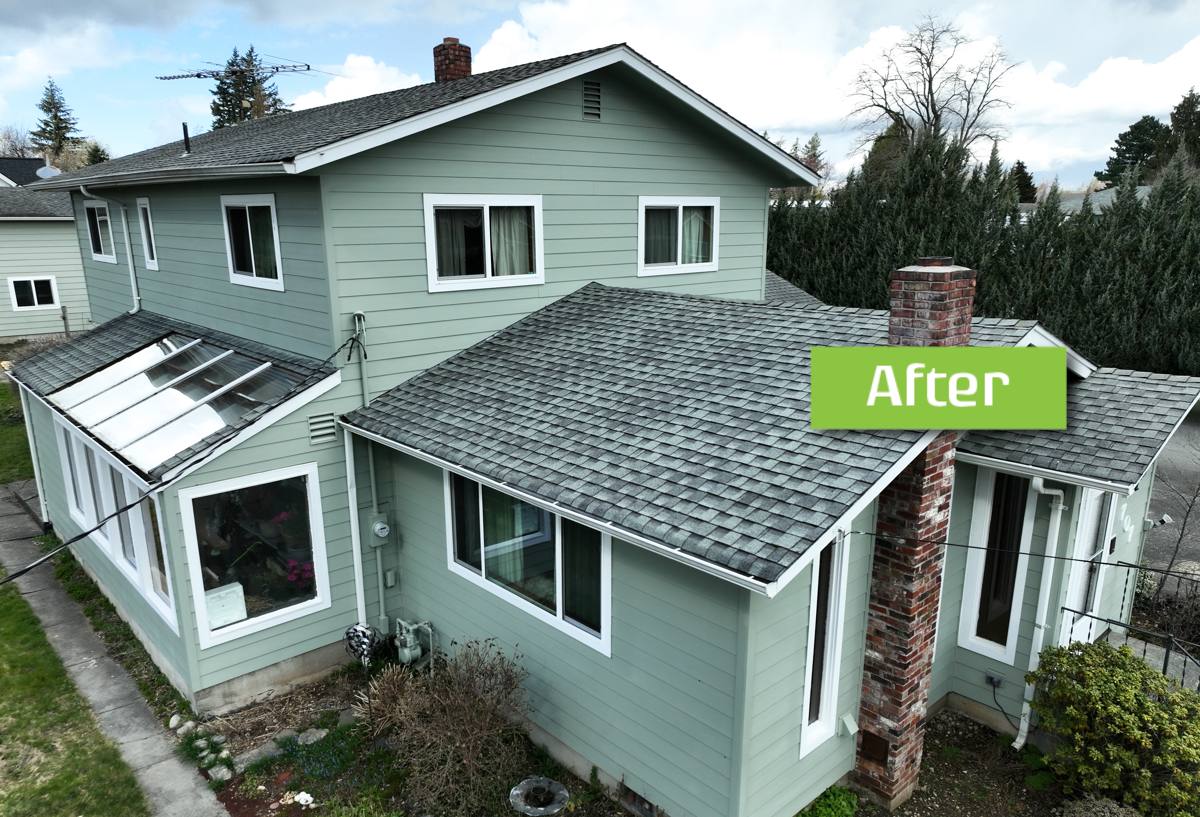
 New Roof Installation for Kirkland Homes
Kirkland sits on the eastern shore of Lake Washington in King County, inside the greater Seattle metro area, and that location shapes what a roof here actually has to survive. Marine air off Puget Sound and the lake, long stretches of steady rain, and tree cover on a lot of residential streets all add up to conditions that are harder on a roof than a dry-climate installation guide gives you credit for. We install new roofs across the Seattle area, and Kirkland is regular territory for our crew — enough that we've seen which shortcuts show up as leaks and moss mats within a few years, and which details actually hold up through a full King County winter.
This page is specifically about full new roof installation in Kirkland — tear-off and replacement, not patch repairs. If your roof is past the point of spot-fixing, or you're building new and need a first install done right, this is what we look at, what a correct job involves, and how we run the project from first look to final walkthrough.
What Kirkland's Climate Does to a Roof
Salt Air and Marine Moisture
Homes throughout the Seattle area, including Kirkland, sit within reach of salt-laden air moving in off Puget Sound, even at some distance from open water. That moisture-carrying air accelerates corrosion on exposed fasteners, flashing, and any lower-grade metal trim, and it wears down cheap coatings faster than a dry inland climate ever would. It's not a dramatic effect on any single day, but it's constant, and over the life of a roof it's exactly the kind of steady wear that separates a roof that lasts from one that doesn't.
Driving Rain
Pacific storm systems coming through the region don't just drop rain straight down — wind pushes it sideways into valleys, wall-to-roof transitions, and anywhere flashing meets a penetration like a vent pipe or chimney. That sideways-driven rain is harder on a roof assembly than the same total rainfall falling calmly, and it's precisely the kind of moisture that finds gaps a rushed or underspecified installation leaves behind. A roof built for Kirkland's weather has to assume rain won't always fall straight down.
A Long Moss Season
Mild year-round temperatures combined with near-constant moisture and a lot of tree cover give moss a growing season that can run most of the year on shaded, north-facing roof planes. Moss doesn't just look bad — it holds moisture against the roofing material, works into shingle laps and seams, and can lift edges over time, which shortens the service life of an otherwise sound roof. Kirkland's mature tree canopy, common on older residential lots, tends to make this worse than it would be on a more open, sun-exposed roof.
Signs a Kirkland Home Needs a New Roof, Not a Repair
Not every roofing problem calls for a full replacement, but there's a point where patching stops being the honest answer. A few signs that usually mean it's time to talk about a new roof rather than another repair:
- Shingles that are curling, cupping, or losing significant granules across large sections rather than one isolated spot
- Multiple past repairs in different areas, which usually means the underlying material is aging out everywhere, not just where it's visibly failing
- Daylight visible through the roof deck from inside the attic, or soft, spongy decking underfoot during an inspection
- Moss or dark algae staining that returns quickly after cleaning, especially on shaded slopes
- Persistent leaks around valleys, chimneys, or vent penetrations that keep recurring after flashing repairs
- A roof at or beyond its material's expected service life, especially if it was never re-roofed since the home was built
If you're only seeing one or two of these on a roof that's otherwise in decent shape, a repair may still make sense. We'll tell you that honestly during an inspection rather than push a full replacement that isn't needed yet.
What a Correct New Roof Installation Involves
Tear-Off and Deck Inspection
A proper new roof starts with removing the old roofing down to the deck, not layering over it. That's the only way to actually see the condition of the sheathing underneath, and in a wet climate like Kirkland's, it's common to find sections of deck that have taken on moisture damage over the years, particularly around old flashing points or in shaded valleys. Any soft or delaminated decking gets replaced before anything new goes down — installing new roofing over a compromised deck just hides the problem for a few more years.
Underlayment and Ice-and-Water Protection
The underlayment is the roof's backup layer against wind-driven rain that gets past the surface material, and in this climate it's not a place to cut corners. We use a synthetic underlayment rated for the exposure, with self-adhering ice-and-water membrane at the eaves, valleys, and any roof-to-wall transitions where water is most likely to back up or drive sideways. This detail matters more here than it would in a drier region, because Kirkland's rain volume and duration give water more chances to find a weak point.
Flashing at Every Penetration
Chimneys, skylights, vent stacks, and valleys are where the large majority of roof leaks actually start, not out in the open field of the roof. Correctly formed and properly lapped flashing at each of these points — set to shed water downward and outward, never trapping it — is one of the details that separates a roof that stays dry for decades from one that starts leaking within a few wet seasons.
Ventilation
A roof deck that can't breathe traps moisture underneath it, which shortens the life of the decking and the roofing material both. Balanced intake and exhaust ventilation keeps the attic space closer to outside temperature and humidity, which matters in a climate where the air outside is already carrying a lot of moisture most of the year. We size and place ventilation to the specific roof rather than treating it as an afterthought once the shingles are on.
Moss Prevention Details
Given how long the moss season runs here, we install zinc or copper strips near the ridge on roofs where moss has been a recurring issue, letting rain carry trace metal down the roof surface to slow regrowth. It's not a permanent fix on its own — tree trim and periodic cleaning still matter — but it measurably extends the time between moss treatments on shaded Kirkland roofs.
Fastening to Spec
Manufacturers specify fastener type, count, and placement for a reason, and it's one of the more common things we find done wrong on tear-offs of other contractors' work. Under-fastened or incorrectly placed nails are a leading cause of early shingle blow-off and loosening in a windy, wet climate, and it's a detail that's invisible once the roof is finished — which is exactly why it's worth asking a contractor about directly.
Roofing Material Options for Kirkland Homes
| Material | Typical Lifespan | How It Handles This Climate |
|---|---|---|
| Asphalt composition shingle | 20-30 years | Solid all-around performer when installed with proper underlayment and ventilation; the most common choice locally |
| Standing seam metal | 40-60 years | Sheds rain and moss buildup well due to its smooth, steep-shedding surface; higher upfront cost, minimal long-term maintenance |
| Synthetic/composite shake | 30-50 years | Resists moisture absorption better than natural wood shake while keeping a similar look; performs well in sustained wet conditions |
| Cedar shake | 20-30 years with upkeep | Requires regular treatment and cleaning to resist moss and rot in this climate; higher ongoing maintenance burden |
Asphalt composition shingle remains the most common choice on Kirkland homes for good reason — it balances cost, appearance, and proven performance when installed correctly. Metal and synthetic options cost more up front but ask less of the homeowner over time, which is worth discussing if you're planning to stay in the home long-term. We'll walk through the honest trade-offs for your specific roof rather than steering you toward whatever's easiest to install.
Our Installation Process
- On-site inspection: We walk the roof, check the attic from inside, and assess deck condition, ventilation, and any existing moss or water damage before quoting anything.
- Written scope and estimate: You get a clear breakdown of materials, labor, and any deck repair contingencies, explained in plain terms before work starts.
- Scheduling around weather: We plan the tear-off and dry-in around a realistic dry window so your home isn't left exposed longer than necessary.
- Tear-off and deck repair: Old roofing comes off, the deck gets inspected in full daylight, and any compromised sections are replaced before moving forward.
- Underlayment, flashing, and material installation: Installed to manufacturer spec, with the moisture and wind details this climate calls for.
- Final walkthrough: We review the finished roof with you, including ventilation, flashing points, and any moss-prevention measures installed, before calling the job done.
Cost Factors for a Kirkland Roof Replacement
| Factor | What Drives It | Local Climate Consideration |
|---|---|---|
| Roof size and pitch | Square footage and steepness affect material and labor time | Steeper pitches shed rain and moss better but take longer to work safely |
| Deck condition | Amount of sheathing replacement needed once old roofing is off | More common on older Kirkland homes with a history of moss or slow leaks |
| Material choice | Asphalt vs. metal vs. synthetic vs. cedar | Higher-durability materials cost more but ask less maintenance in sustained wet weather |
| Penetrations and valleys | Chimneys, skylights, and vent count add flashing labor | Each one is a potential leak point that needs correct flashing in driving rain |
| Tree cover | Heavily shaded lots often need more moss-prevention work | Common on established Kirkland neighborhoods with mature trees |
These are general cost drivers, not a quote. Every roof we look at in Kirkland is a little different once we're actually up there — a home that looks straightforward from the ground can turn up deck damage or an underspecified valley once the old roofing comes off. That's why we walk the roof and attic before giving you a real number, rather than pricing off a phone description or satellite photo.
Timing a Roof Replacement Around Seattle-Area Weather
The wettest, windiest stretch of the year in this region typically runs from late fall through winter, and installing a new roof during that window is harder on both the material and the crew than doing it in a drier season. Spring through early fall generally offers more consistent dry stretches, which matters because underlayment, flashing sealants, and shingle adhesive strips all set up better under stable, dry conditions. That said, a roof that's actively leaking shouldn't wait for ideal weather just to hit a preferred season — we can tarp and stabilize a failing roof and schedule the full replacement as soon as conditions allow.
Why a Local Crew Matters for This Job
A crew that works across the Seattle area regularly sees how salt air, driving rain, and a long moss season actually play out on real roofs over a full year, not just how a shingle performs on a manufacturer's spec sheet. That experience shapes decisions on install day — where extra flashing attention pays off, which slopes stay wet and shaded the longest, and where moss-prevention details are worth the extra time so you're not dealing with a callback after the next storm off the Sound. Kirkland's mix of lake-adjacent exposure and heavy tree cover isn't identical to every King County neighborhood, and a crew that's worked the area builds accordingly instead of applying a generic installation approach.
Get a Free, No-Pressure Estimate
If your Kirkland home needs a new roof, or you're not sure whether repair or replacement is the right call, we're glad to take a look and give you a straightforward, honest assessment. Use the form below to schedule a free estimate — no pressure, no upsell script.