 Seattle
 Energy-Efficient Windows Built for How Kirkland Actually Weathers
Kirkland sits right on Lake Washington, in the heart of King County's wet, mild, marine-influenced climate. That means your windows aren't just holding back cold air in January — they're managing months of steady drizzle, humidity that never fully lets up, and the kind of temperature swings between a warm July afternoon and a damp February morning that stress seals and frames differently than a drier climate would. Energy-efficient windows done right in Kirkland have to solve two problems at once: keep conditioned air where it belongs, and keep moisture from ever becoming the frame's problem.
We work on homes across Kirkland — from older lakefront properties to newer construction further up the hillside — and the pattern is consistent. Windows that were fine when installed start underperforming years before homeowners expect, usually because of how our specific climate interacts with seals, glazing, and frame materials, not because of poor original craftsmanship.
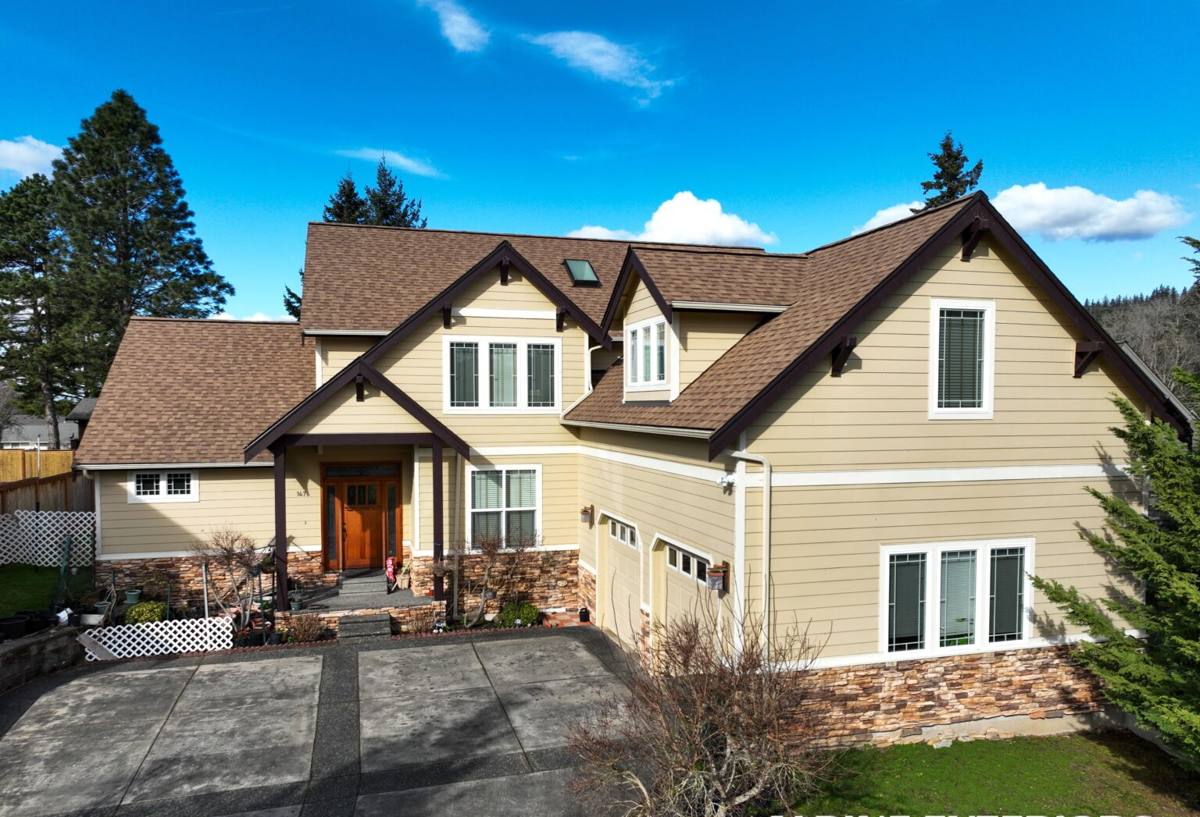
The Local Climate Factor
Rain and Humidity, Not Just Cold
Compared to a lot of the country, King County doesn't get brutally cold winters. What it gets instead is persistent moisture — long stretches of gray, damp weather that keeps humidity levels elevated for months at a time. That constant dampness is harder on window seals and frame joints than a short, sharp freeze, because it's sustained exposure rather than a single stress event. Weak seals show up as fogging between panes, soft spots in wood sills, or condensation on interior glass long before a window fails outright.
Moss and Organic Growth
Anywhere shaded, north-facing, or slow to dry — which describes a lot of window sills and frame exteriors around here — moss, algae, and mildew get a long growing season to take hold. On wood or poorly sealed composite frames, that growth holds moisture against the material and accelerates rot from the outside in. It's a slow process, which is exactly why it often goes unnoticed until a frame is already soft.
Driving Rain and Wind-Driven Moisture
Storms off the Sound don't just drop rain straight down — wind pushes it sideways into window openings, siding laps, and trim joints. A window that's properly flashed and sealed shrugs this off. One installed without the right moisture barrier behind the trim can develop hidden leaks that show up as staining or soft drywall well before anyone would think to blame the window itself.
What "Energy-Efficient" Actually Means
The term gets used loosely, but a genuinely efficient window comes down to a handful of measurable properties, not just how new it looks.
- U-factor — how well the window resists heat transfer. Lower is better for our climate, where you're heating more months than you're cooling.
- Solar Heat Gain Coefficient (SHGC) — how much solar heat passes through the glass. Matters more on south- and west-facing windows that catch direct afternoon sun.
- Low-E coatings — a microscopically thin layer that reflects heat while still letting visible light through, without darkening the glass.
- Gas fill between panes — argon or krypton gas slows heat transfer better than plain air, and matters over the life of the window, not just at installation.
- Frame material and construction — the frame is often the weak point in overall efficiency, not the glass.
A window can have great glass and still perform poorly if the frame material or the installation lets air and moisture bypass it entirely. That's why we treat the frame, the flashing, and the installation itself as part of the "efficiency" package, not an afterthought to the glass spec.
Frame Material Comparison for This Climate
| Frame Material | How It Handles Our Moisture | Maintenance | General Cost Tier |
|---|---|---|---|
| Vinyl | Doesn't rot or corrode; performs consistently in damp conditions | Low — occasional cleaning | Lower |
| Fiberglass | Very stable in temperature and moisture swings; strong long-term durability | Low | Mid to higher |
| Wood (clad exterior) | Interior wood warmth with an exterior shell resisting moisture, but depends heavily on installation quality | Higher — cladding and seams need periodic checks | Higher |
| Aluminum | Conducts heat and cold readily; prone to condensation without thermal breaks | Low | Lower to mid |
None of these materials is universally "wrong" — the right choice depends on the home's style, budget, and how exposed a given wall or elevation is to weather. We'll walk through the honest trade-offs for your specific windows rather than push one material across the board.
Signs Your Current Windows Are Costing You Money
Most homeowners don't replace windows because one shatters — they replace them because the house stopped feeling comfortable and the energy bill stopped making sense. Watch for these signs, especially heading into another wet Kirkland winter:
- Condensation or fogging between the panes of a double-pane window (a failed seal, not a cleaning issue)
- Noticeable drafts near the frame even when the window is fully latched
- Difficulty opening, closing, or latching — often a sign the frame has shifted or swollen
- Visible gaps, soft spots, or discoloration in the exterior trim or sill
- Rooms near certain windows that are consistently colder or draftier than the rest of the house
- Moss or dark staining building up on the sill or lower frame corners
- Single-pane glass anywhere in a room you actively heat or cool
What a Correct Installation Actually Involves
The window unit itself is only part of the job. In a climate like ours, installation quality determines whether that unit performs for twenty years or starts leaking within a few winters. A correct install includes:
- Removing the old unit and inspecting the rough opening for hidden rot or moisture damage before anything new goes in
- Installing proper flashing so water sheds away from the opening, not into it
- Using a continuous moisture barrier that integrates with the existing wall's weather-resistive barrier, not just caulk at the surface
- Shimming and leveling the unit so it operates correctly and seals evenly on all sides
- Insulating the gap between the frame and the rough opening correctly — too little leaves gaps, too much can bow the frame
- Sealing and trimming the exterior in a way that sheds wind-driven rain rather than trapping it
Skipping any of these steps is how a good window ends up with a bad reputation. Most window "failures" we're called out to inspect are actually installation issues, not product defects.
Our Process
1. On-Site Assessment
We look at each window opening individually — not just the glass, but the sill, trim, and surrounding wall condition. Kirkland homes span a wide range of ages and construction styles, and the right approach for a newer build isn't always right for an older one.
2. Straightforward Product Guidance
We'll explain the real differences between frame materials, glass packages, and installation methods for your specific home, in plain terms, including what each option costs to maintain over time — not just up front.
3. Careful Removal and Prep
Old units come out carefully, and we address anything unexpected we find in the opening — soft framing, prior water damage, or inadequate flashing — before installing anything new.
4. Installation to Manufacturer and Code Standards
Every window is installed to the manufacturer's specifications and applicable building code, with attention to the moisture-management details this climate demands.
5. Cleanup and Walkthrough
We clean up the job site and walk through each window's operation with you before we consider the job done.
Why a Local Kirkland Crew Matters
Window replacement isn't a one-size-fits-all trade. A crew that regularly works in Kirkland and the broader Eastside knows how local homes were typically built, what King County permitting and inspection expects, and — critically — how the specific mix of rain, humidity, and moss exposure here behaves differently than in a drier region. That local pattern recognition is what catches a soft sill or a missing moisture barrier before it becomes a bigger repair.
It also matters for accountability. A local crew is easy to reach if a question comes up after the install, and has a reputation in the community worth protecting — that's a different incentive structure than an out-of-area company that won't be back through town next season.
Cost Factors to Expect
Every home is different, so exact numbers depend on your specific windows, but these are the main factors that move the price:
| Factor | Why It Affects Cost |
|---|---|
| Number and size of windows | More openings and larger glass areas mean more material and labor |
| Frame material chosen | Vinyl, fiberglass, and clad-wood carry different material costs |
| Full-frame vs. retrofit replacement | Full-frame replacement addresses the rough opening directly and typically costs more but is often necessary when there's underlying damage |
| Condition of the existing opening | Hidden rot or moisture damage discovered during removal adds repair work |
| Access and height | Second-story, hard-to-reach, or oversized windows take more time and equipment |
| Glass package (double vs. triple-pane, coatings, gas fill) | Higher-performance glass costs more but can lower long-term energy use |
Maintenance in a Wet Climate
Energy-efficient windows still need basic upkeep to keep performing, especially given how long our wet season runs each year:
- Keep sills and exterior trim clear of moss, leaves, and standing debris
- Check that gutters and downspouts are directing water away from window openings, not onto them
- Look for early condensation between panes as an early sign of seal failure, not just a cosmetic issue
- Re-caulk exterior joints if you notice cracking or gaps forming over time
- Operate windows periodically even in the off-season so hardware and weatherstripping don't stick or compress unevenly
If you're noticing drafts, rising energy bills, or a window that just doesn't feel right anymore, it's worth having it looked at before another Kirkland winter puts more strain on it. We offer free, no-pressure estimates — take a look at the form below to get one scheduled.