 Seattle
 Board & Batten Siding on Kirkland Homes
Board and batten is one of the most requested looks in Kirkland right now — vertical panels with raised battens covering the seams, usually paired with a lighter field color and dark trim. It shows up on lakefront remodels, new builds off Market Street and Rose Hill, and additions where a homeowner wants a modern-farmhouse or Pacific Northwest contemporary look without going full modern flat-panel. It's a good look for this area. But board and batten is also a siding style that punishes a sloppy install faster than lap siding does, and Kirkland's climate is exactly the kind of climate that finds those mistakes.
This page is about doing board and batten correctly on a Kirkland house — what the local conditions demand, what a correct install actually involves, and why we only do this work in James Hardie fiber cement.
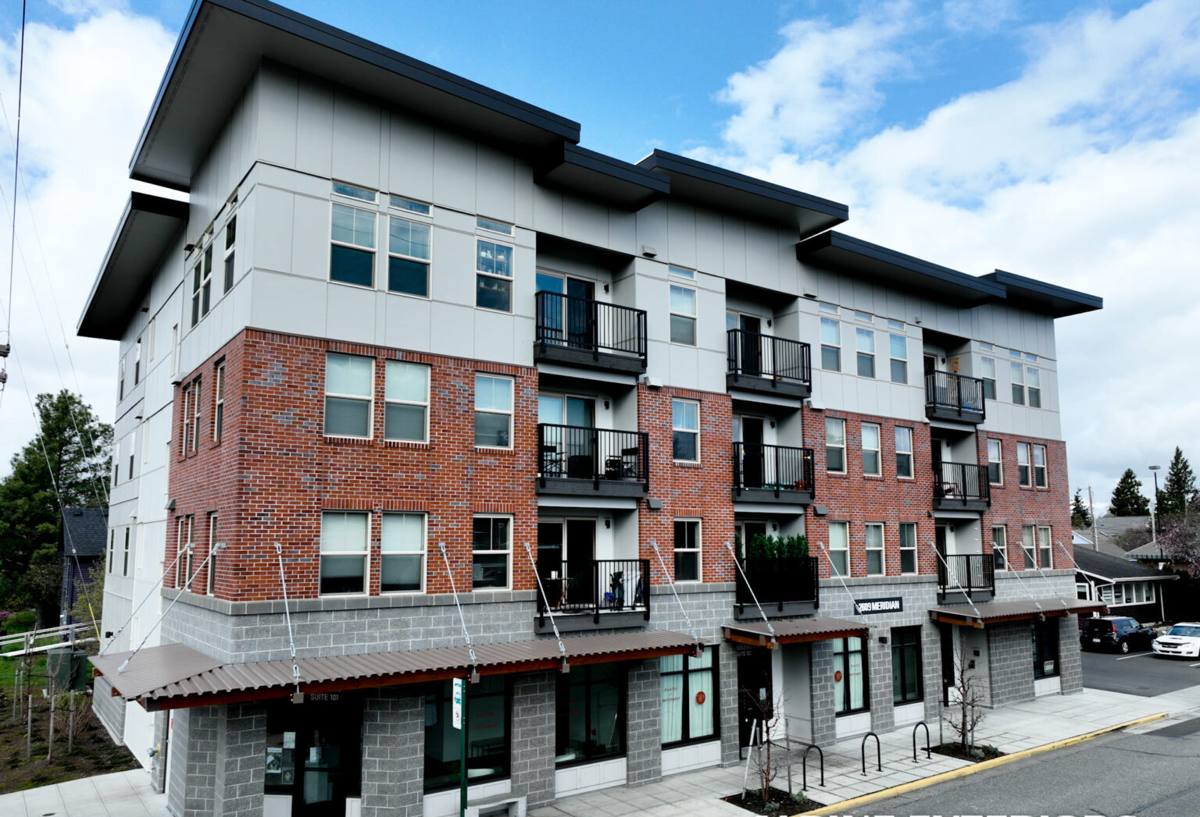
What Kirkland's Climate Does to Vertical Siding
Kirkland sits right on Lake Washington, which means homes here deal with a specific combination of conditions: near-constant marine humidity, driving rain that comes in sideways off the lake during winter storms, heavy tree cover on the older residential streets, and long stretches of overcast, low-sun weather that never quite dries a house out. That combination adds up to a long moss and algae season — often eight or nine months of the year — plus the slow, steady moisture load that eventually finds any gap in a siding system.
Vertical siding styles are more exposed to this than horizontal lap siding in one specific way: every batten seam is a vertical water channel. Rain doesn't just hit a board and batten wall, it runs down it, and every batten joint, every horizontal trim transition, and every point where the panel meets a window or door is a place water wants to collect. On a lake-adjacent property with salt-tinged air and shade from mature trees, a seam that isn't flashed and gapped correctly won't just look bad in a few years — it'll trap moisture behind the cladding where you can't see it until there's a real problem.
None of this means board and batten is a bad choice for Kirkland. It means the installation details matter more here than they would in a drier climate, and the material behind those details matters just as much.
Where This Shows Up Fastest
- North- and west-facing walls that stay damp longest after storms roll off the lake
- Walls shaded by mature evergreens, where moss and algae get a head start every year
- Battens installed tight against the field panel with no room to move, which traps water at the seam
- Bottom edges near grade, decks, or planters where splash-back keeps the lowest courses wet
What a Correct Board & Batten Job Involves
Board and batten looks simple — a flat panel with strips over the seams — but the system behind it is doing real work. A correct install has several layers most homeowners never see once it's finished:
- A drainage plane behind the panel. House wrap or building paper installed shingle-style so any water that gets past the cladding has somewhere to go besides your sheathing.
- Rain screen gap where appropriate. A small air space behind the panel lets moisture drain and the wall dry out between storms, instead of holding water against the panel back.
- Proper batten spacing and fastening. Battens need enough clearance to allow the panel to expand and contract without binding, and they need to be fastened per the manufacturer's pattern — not just nailed wherever looks even.
- Flashing at every horizontal transition. Window heads, belly bands, and the base of the wall all need metal or manufactured flashing, not just caulk, to shed water outward.
- Correct clearance at grade and roof lines. Siding that runs too close to the ground, a deck, or a roof surface stays wet far longer than siding with proper clearance — a common problem on older Kirkland lots where landscaping has crept up over the years.
- Factory-finished panels, not field-primed. A factory finish seals the cut face and surface far more consistently than a painter can in the field, which matters most on a style with this many exposed seams.
Skip any one of these and the wall may look fine at handoff and still cause problems in three to five years — usually right where the moss and shade are worst.
Material Options for Board & Batten
Board and batten can be built in several materials. Here's how they actually hold up under Kirkland's specific mix of rain, humidity, and moss pressure:
| Material | How It Handles Kirkland's Climate | Ongoing Maintenance |
|---|---|---|
| James Hardie fiber cement | Non-combustible, engineered for wet marine climates, factory ColorPlus finish resists moss and fading | Occasional wash; repaint interval measured in decades, not years |
| Cedar / primed wood | Classic look but absorbs moisture at seams and end cuts; prone to rot and moss growth in shaded, damp areas | Repainting or restaining every few years; regular inspection of seams |
| Vinyl | Sheds water but panels can warp with temperature swings and rarely achieve a crisp board-and-batten shadow line | Low, but limited repair options if damaged; can't be repainted to refresh |
| Engineered wood (LP-type products) | Wood-based core is vulnerable if moisture gets past a seam or cut edge, which is a real risk on a vertical, seam-heavy style | Depends heavily on installation quality and ongoing edge sealing |
Why We Only Install James Hardie Board & Batten
We standardized on James Hardie fiber cement for every project we do, and board and batten is where that decision matters most, because this style has more seams, more cut edges, and more exposed joints than standard lap siding. Hardie's engineered HZ product lines are formulated for exactly this kind of wet, marine climate — the panels resist moisture absorption at the core, they don't support moss growth the way bare wood does, and the ColorPlus factory finish covers the full panel and cut edges far more evenly than a field-applied coat ever could.
It's also non-combustible, which matters increasingly to insurers and to homeowners thinking about wildfire smoke seasons even on the wetter side of the state. And it carries a strong transferable warranty that's backed by the manufacturer, not just the installer — something worth asking about with any siding contractor, on any product.
We're not going to pretend other materials don't have their fans. Cedar has real character and vinyl has a low price point. But for a style that lives or dies on how well its seams are sealed, we've made the call that fiber cement, installed correctly, is the only material we're willing to put our name on.
Our Process on a Kirkland Board & Batten Job
- On-site assessment. We walk the exterior, check existing wall assembly and moisture history, and flag shaded or lake-facing walls that need extra attention to drainage and clearance.
- Design and layout. Batten spacing, reveal width, and trim color get planned out before material orders go in — this is where the finished look gets locked in.
- Prep and drainage plane. Old siding removal (if needed), sheathing repair, house wrap, and rain screen furring go in before a single panel is hung.
- Installation to Hardie spec. Panels and battens fastened per manufacturer instructions, with correct nailing patterns and expansion gaps — not eyeballed.
- Flashing and sealing. Every window, door, and horizontal transition flashed properly; sealant used where it belongs, not as a substitute for flashing.
- Final walkthrough. We check clearances at grade, deck ledgers, and roof lines before calling the job done.
Because we work Kirkland regularly, we already know which streets have heavier tree cover, which lots sit low relative to the lake, and which walls take the worst of the winter storms — that local pattern recognition shapes decisions like batten spacing and where extra flashing attention goes, before we ever get on the ladder.
Maintenance and What to Expect Afterward
A correctly installed Hardie board and batten wall in Kirkland is a low-maintenance wall, not a no-maintenance wall. Plan on an occasional gentle wash to knock back surface moss and pollen, especially on shaded north walls, and a periodic visual check of caulking at window and door transitions every couple of years. Beyond that, the factory finish and the material itself are doing the heavy lifting — you're not repainting a board and batten wall every few years the way you would with primed wood.
Get a Straight Answer for Your House
Every Kirkland lot is a little different — how much shade it gets, how close it sits to the lake, how exposed it is to winter storms — and that affects what a board and batten installation actually needs to hold up long term. If you're weighing board and batten for a Kirkland home, we're glad to walk the exterior with you, point out anything specific to your site, and give you a straight, no-pressure estimate using the form below.