 Seattle
 Beacon Hill's Climate Is Harder on Siding Than It Looks
Beacon Hill sits above the Duwamish valley with open exposure toward Puget Sound, which means homes here take on a mix of weather that a lot of inland Seattle neighborhoods don't deal with in the same combination. There's salt-laden air moving in off the Sound, driving rain that hits siding at an angle instead of falling straight down, and a wet season that runs long enough to keep exterior walls damp for weeks at a stretch. Add King County's mild, moss-friendly temperatures and you have conditions that are genuinely tough on exterior materials, even when a house looks fine from the street.
None of this is dramatic, storm-driven damage. It's slow. Moisture works into seams, paint film breaks down under UV and damp cycles, and organic growth gets a foothold anywhere siding stays wet longer than it should. By the time problems are visible — bubbling paint, soft spots, streaking — the siding has usually been losing the fight for a while.
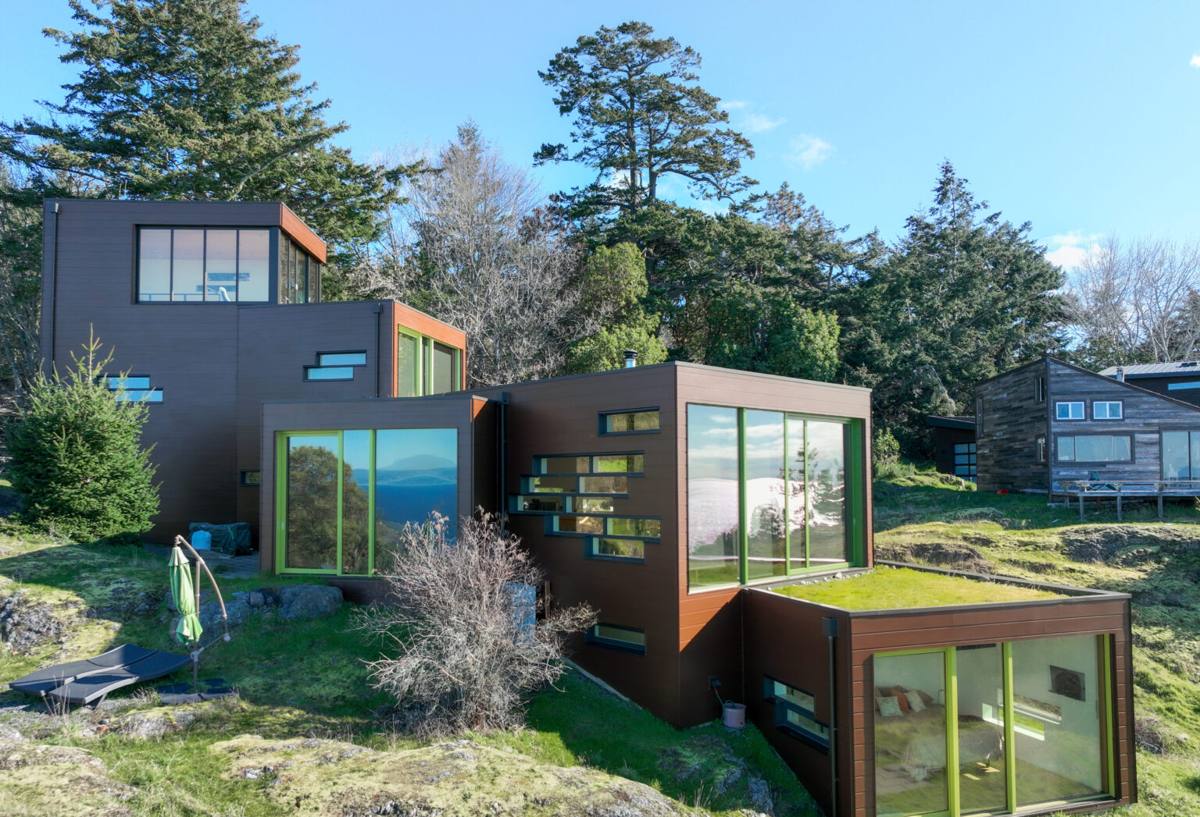
What Beacon Hill's Terrain and Housing Stock Mean for Siding Choice
Beacon Hill is one of Seattle's older hill neighborhoods, with a mix of early-to-mid-century bungalows and Craftsman-style homes alongside newer infill construction. That mix matters for siding decisions in a few practical ways:
Shade and Airflow
Mature trees and tight lot spacing are common on the hill, and shaded, low-airflow walls dry out slower after rain. North- and east-facing walls in particular can stay damp for days after a storm, which is exactly the environment moss and mildew prefer.
Older Wall Assemblies
Many Beacon Hill homes have been re-sided at least once, sometimes more. Layers of old siding, aging trim, and sheathing that's never been fully exposed and inspected are common. A siding replacement here is as much about what's underneath the new material as the material itself.
Elevation and Exposure
Because the hill rises above surrounding lower ground, some homes catch more direct wind-driven rain than you'd expect for an in-city location. That exposure is worth factoring into how siding is detailed at seams, corners, and penetrations — not just what product goes up.
Why We Only Install James Hardie on Beacon Hill Homes
We install James Hardie fiber cement siding exclusively. We don't install vinyl, LP SmartSide, Cemplank, Allura, primed spruce, or cedar, and that's a deliberate standard, not a limitation in what we're able to offer. Given what Beacon Hill's climate does to exterior materials over time, here's why Hardie is the product we're willing to put our name behind:
- It doesn't rot or delaminate. Fiber cement is dimensionally stable and doesn't absorb and swell with moisture the way wood-based products can, which matters on shaded, slow-drying walls.
- It's non-combustible. James Hardie siding won't ignite or contribute fuel to a fire, which is a meaningful difference from wood siding and some engineered wood products.
- ColorPlus factory finish resists the wear that causes most repaint calls. The baked-on finish holds up to UV and moisture cycling better than field-applied paint on raw wood, which means fewer repaints and less chance of moisture getting behind failing paint film.
- It's engineered for climate. Hardie's HZ5 product line is formulated for wetter, more moisture-exposed regions like the Pacific Northwest, not a one-size-fits-all national product.
- The warranty is transferable and substantial when the installation is done to spec — which is the part most homeowners never get told matters as much as the product itself.
Every one of those points is a trade-off decision, not marketing. Vinyl is cheaper up front but can warp and doesn't hold color the way ColorPlus does. Cedar and primed spruce look great new but need ongoing maintenance to keep moisture out, which is a hard ask in a climate that stays wet as long as ours does. LP SmartSide and similar engineered wood products perform reasonably when installation is flawless, but they're less forgiving of the small gaps and seams that inevitably show up over decades on a real house. Fiber cement gives up a little on installed cost and adds weight, but it gives back durability in exactly the conditions Beacon Hill sees most.
The James Hardie Product Lines That Fit This Climate
Not all Hardie products are used the same way, and part of doing this correctly is matching the line to the house:
- HardiePlank lap siding — the standard horizontal siding for most homes, available in a range of textures and exposures to match Craftsman, bungalow, or more contemporary styles common on the hill.
- HardiePanel vertical siding — often used as an accent on gables, dormers, or modern-style additions.
- HardieShingle — a shingle profile that works well on homes with a more traditional or cottage character.
- HardieTrim — matched trim boards so corners, window casings, and fascia age at the same rate as the field siding instead of becoming the weak point.
All of it goes up in the HZ5 formulation, which is Hardie's engineering response to exactly the moisture load our region produces.
What a Correct Installation Involves
James Hardie siding is only as good as the assembly it's installed over. Most siding failures we get called out to inspect on older Beacon Hill homes aren't material failures — they're installation shortcuts that let water in behind the siding, where it does damage no one sees until it's expensive.
Water Management Comes First
A correctly installed system starts with a weather-resistive barrier over sound sheathing, and in most cases a rainscreen gap — a thin drainage space between the barrier and the siding — that lets any moisture that does get past the surface drain and dry instead of sitting against the wall. This one detail matters more in our climate than almost anywhere else in the country.
Flashing and Fastening
Every window, door, and penetration needs proper flashing integrated with the barrier, not just caulked over. Fastener placement and spacing follow Hardie's published specifications exactly — over-driven or misplaced nails are one of the most common causes of premature siding failure, and it's an easy thing for a rushed crew to get wrong.
Joints and Caulking
Hardie's installation guidelines specify exactly where caulking is appropriate and where it isn't. Over-caulking can trap moisture instead of letting it escape, which defeats the purpose of the drainage plane underneath.
Installed off-spec, even the best siding product will underperform. Installed correctly, it's engineered to handle exactly the conditions Beacon Hill sees every winter.
How Hardie Compares for Beacon Hill's Conditions
| Factor | James Hardie Fiber Cement | Vinyl | Cedar / Primed Spruce | LP SmartSide |
|---|---|---|---|---|
| Moisture / rot resistance | Does not rot; dimensionally stable | Doesn't rot, but can warp in heat/cold cycling | Vulnerable if maintenance lapses | Engineered wood; sensitive to sustained moisture at cut edges |
| Moss / mildew resistance | ColorPlus finish resists growth better than bare wood | Resists growth but can trap moisture at seams | Prone to moss and mildew in shaded, damp spots | Factory finish helps, but seams need diligent sealing |
| Fire resistance | Non-combustible | Combustible, can melt/deform | Combustible | Combustible |
| Maintenance | Low; occasional wash, no repainting for years | Low; can fade and become brittle over time | High; regular painting/sealing required | Moderate; edge sealing and finish upkeep matter |
| Typical lifespan when installed to spec | Decades, with strong transferable warranty | Decades, but color/finish degrade sooner | Shorter without consistent upkeep | Solid if maintained; more installation-sensitive |
Our Process, Start to Finish
- On-site assessment. We look at existing siding, sheathing condition where accessible, moisture history, and how sun/shade and wind exposure hit each wall of the specific house.
- Tear-off and inspection. Removing old siding is when we find out what's really going on behind it — soft sheathing, old flashing failures, or trapped moisture that needs to be addressed before anything new goes up.
- Weather barrier and drainage plane. We install a proper weather-resistive barrier and rainscreen assembly suited to the wall, not a generic wrap-and-go approach.
- Hardie installation to manufacturer specification. Correct fastening, flashing integration, and joint treatment, using the product lines that fit the home's style and exposure.
- Trim, caulking, and finish detail. The details that determine whether the installation ages evenly or starts showing problems at the seams first.
- Final walkthrough. We go over the finished work with the homeowner before calling the job done.
Why a Crew That Already Works Beacon Hill Matters
Siding installation isn't identical from one Seattle neighborhood to the next, and Beacon Hill has its own quirks worth knowing before the first board comes off. Hillside lots mean staging and access sometimes take more planning than a flat-lot job. Older homes on the hill often have layered siding history — more than one prior re-side — that needs careful, sometimes deliberate removal rather than assumptions about what's underneath. And knowing which walls on a hill-facing lot take the worst of the wind-driven rain changes where extra attention to flashing and drainage detail pays off most.
A crew that's worked other homes in the neighborhood has already seen these patterns and isn't learning them on your project. That's not a substitute for doing the fundamentals right on every job — it's what makes doing them right faster and with fewer surprises.
Keeping Your Siding Ahead of Moss Season
Even the right product installed correctly benefits from basic upkeep in our climate. A few habits go a long way toward protecting a Hardie installation for the long haul:
- Keep gutters clear so overflow isn't running down and pooling against siding walls
- Trim back branches and shrubs that keep specific wall sections shaded and slow to dry
- Rinse siding periodically, especially on north-facing and shaded walls where moss gets a head start
- Watch for streaking, dark staining, or soft spots and have them checked before they spread
- Have caulking and flashing at windows and trim inspected every few years, since these are the first places water finds a way in
If your Beacon Hill home's siding is original, aging, or showing early signs of trouble, we're happy to take a look and give you an honest assessment. Reach out for a free, no-pressure estimate — there's a form right below to get started.