 Seattle
 Custom Windows Built for Green Lake Homes
Green Lake is one of Seattle's older, denser residential pockets, and that shows in the housing stock. A lot of homes around the lake were built in the early-to-mid 1900s, with plenty of craftsman bungalows and post-war houses mixed in with newer infill construction closer to the water. That range matters when it's time to replace windows, because a 1920s house with original wood sash openings needs a different approach than a 1990s remodel with vinyl already in place. Custom windows aren't about upsizing everything to premium materials — they're about matching the window to the actual opening, the actual wall assembly, and the actual way water moves around your house.
We work Green Lake regularly, which means we've seen how these homes age in this specific pocket of Seattle. That's different from working off a spec sheet for a house we've never set foot near.
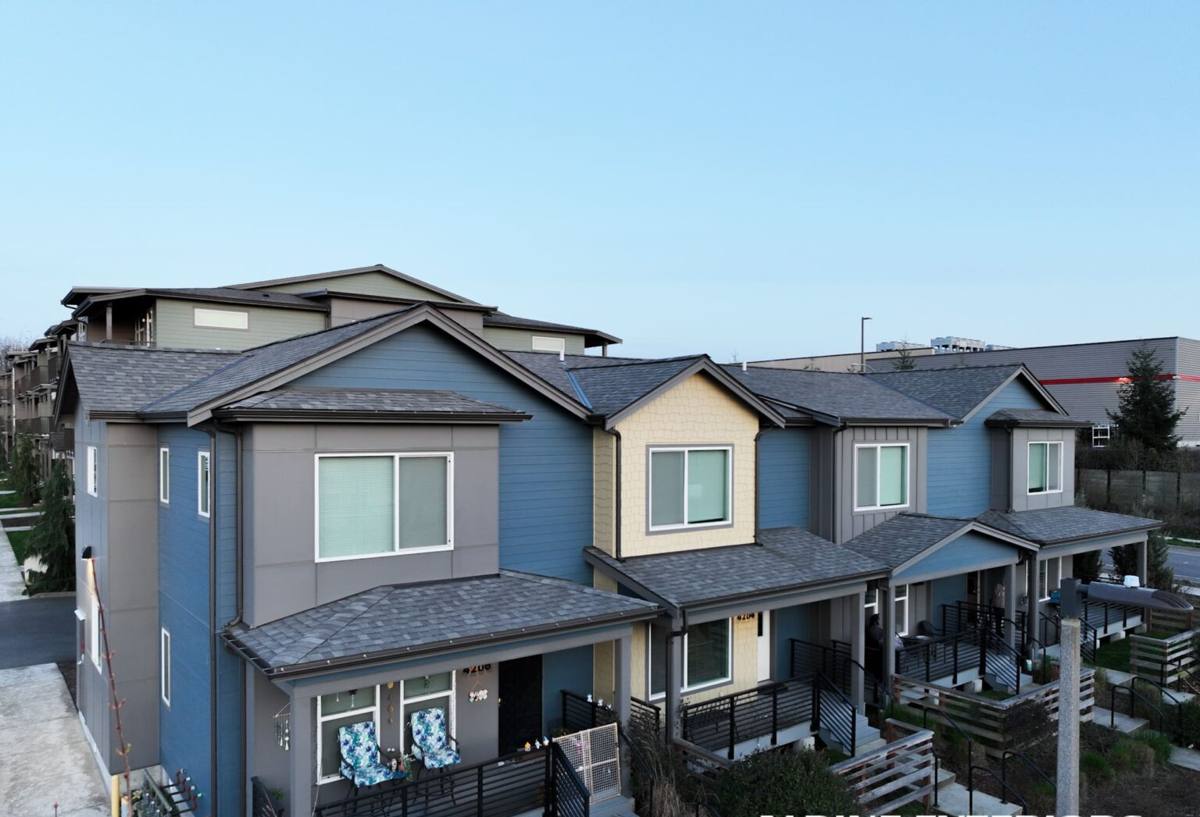
What Seattle's Wet Climate Does to Windows Over Time
Seattle's marine climate doesn't spare inland neighborhoods like Green Lake just because they're a few miles from Puget Sound. Moisture-laden air moves across the whole city, and combined with King County's long rainy season, it creates conditions that are hard on window assemblies in three specific ways:
Driving rain
Seattle's rain often comes in sideways during fall and winter storms, driven by wind off the Sound. That means water isn't just falling on your windows, it's being pushed into every seam, gap, and flashing detail. A window that would perform fine in a drier climate can leak here if the flashing and sealant details aren't done correctly.
A long moss season
Shaded, north-facing walls and window trim around Green Lake — especially under mature trees, which this neighborhood has plenty of — stay damp for months at a time. That's exactly the environment moss and algae need to take hold on wood trim, sills, and even vinyl cladding if it isn't cleaned or if drainage is poor.
Condensation and slow rot
Cool, humid air against warm indoor glass creates condensation, and condensation that sits on a wood sill or gets trapped behind poorly sealed trim is one of the most common causes of hidden rot we find when we pull old windows out. By the time it's visible on the interior, it's often been developing for years.
Choosing the Right Window Material for This Climate
There's no single "best" window material for every house — it depends on your budget, your home's age, and how much upkeep you want to take on. Here's an honest breakdown of the main options we install and how they hold up in a climate like Seattle's.
| Material | Moisture Performance | Maintenance | Typical Lifespan | Best Fit |
|---|---|---|---|---|
| Vinyl | Good — won't rot, but seams and corner welds need to be well-made to stay watertight long-term | Low — occasional cleaning | 20–30 years | Budget-conscious replacements, rental properties, straightforward openings |
| Fiberglass | Very good — dimensionally stable, resists warping in wet/dry cycles | Low | 30–40+ years | Homes where you want vinyl-level upkeep with better long-term stability |
| Wood-clad | Good on the exterior (clad in vinyl, aluminum, or fiberglass) but the interior wood still needs attention | Moderate — interior finish maintenance | 25–35 years, longer with upkeep | Craftsman and older Green Lake homes where interior wood trim matters visually |
| Aluminum | Poor without a thermal break — conducts cold and condensates heavily in this climate | Low | 20–30 years | Generally not our first recommendation for Seattle homes unless thermally broken |
For a lot of the older homes around Green Lake, we end up recommending fiberglass or a well-detailed vinyl unit for full-house replacements, and wood-clad when the homeowner wants to preserve the original interior trim look. We'll walk through the actual trade-offs for your specific house rather than pushing one material across the board.
What a Correct Custom Window Install Actually Involves
"Custom" doesn't just mean a non-standard size. It means the installation is built around your specific wall assembly, your specific opening, and Seattle's specific weather — not a generic template. A correct job includes:
- Removing old windows carefully enough to inspect the rough opening for hidden rot or water damage before anything new goes in
- Repairing or rebuilding any damaged framing found during removal, rather than covering it up
- Installing proper flashing at the head, sides, and sill so water is directed out and away from the wall, not trapped behind the new window
- Using the right sealants and backer rod for the gap size and exposure — a bead of caulk over a gap that's too wide will fail within a season or two
- Insulating the gap between the window frame and rough opening correctly, without over-packing it, which can bow the frame
- Making sure the window is plumb, level, and square before it's fastened, so it operates smoothly for years instead of binding or sagging
Skipping any of these steps is how a brand-new, expensive window ends up leaking or fogging within a few years. The window unit itself is only part of the job — the installation detail work is what determines whether it actually keeps water out in a climate like this one.
How Our Process Works
1. On-site assessment
We look at your existing windows, the surrounding trim and siding condition, and how water currently drains around each opening. This is also when we check for signs of past leaks or rot that aren't obvious from inside the house.
2. Honest options and a written estimate
We'll walk through material and style options that fit your house and budget, with straightforward pricing — no pressure toward the most expensive option if it isn't what your house needs.
3. Measuring and ordering
Custom windows are measured to the actual opening, not a nominal size, which matters more on older Green Lake homes where original openings have often settled slightly out of square over the decades.
4. Installation
Removal, framing repair if needed, flashing, setting, sealing, and insulating — done in the sequence that keeps water managed at every stage, not just at the end.
5. Final walkthrough
We check operation, look at the finished exterior detailing, and make sure everything is sealed and functioning before we consider the job done.
Permits and Code Considerations for Older Homes
Seattle and King County have specific requirements around window replacement, particularly when it comes to egress windows in bedrooms and basements. If a window opening is being resized, or if a room's egress requirements weren't met to begin with, that can trigger permit and code requirements beyond a simple swap. Energy code also plays a role — replacement windows generally need to meet current performance standards for U-factor, which affects which products we can specify.
Older Green Lake homes sometimes have openings that predate current egress and energy code standards entirely. We'll flag that during the assessment so there are no surprises mid-project, and so any permit needs are handled up front rather than discovered after the fact.
Signs Your Current Windows Are Past Their Useful Life
Not every window issue means full replacement, but these are the signs worth taking seriously, especially in a climate that's this hard on window seals and wood:
- Fog or moisture trapped between panes of double-pane glass — the seal has failed and can't be repaired
- Noticeable drafts even with the window fully latched
- Soft or discolored wood at the sill or lower frame corners
- Windows that are difficult to open, close, or lock, or that have started to sag
- Visible gaps between the frame and the wall, or cracked/missing exterior caulk
- Moss, algae, or persistent black staining on frames or nearby trim
- A noticeable jump in heating costs without another clear explanation
Why Hiring a Crew That Already Works Green Lake Matters
A contractor who works this neighborhood regularly already has a feel for the housing stock — which decades of homes tend to have original single-pane wood windows still in place, which ones were remodeled with builder-grade vinyl that's now failing, and how water tends to behave around this area's mix of mature landscaping and older wall assemblies. That's not something you get from a national franchise crew rotating through on a one-off job. It shows up in small decisions on-site: how much rot repair to budget for before we even start, which flashing details actually hold up through a King County winter, and what questions to ask before ordering custom sizes for an opening that's been sitting since the 1930s.
Maintenance That Extends the Life of New Windows
Even a well-installed window benefits from a little upkeep in this climate. A few habits go a long way:
Rinse pollen, dust, and moss spores off frames and glass a couple times a year, especially on shaded sides of the house. Check exterior caulk lines annually for cracking or gaps, and have them touched up before they fail completely. Keep gutters and downspouts clear so water isn't sheeting down over window heads during heavy storms. If you have wood-clad interior trim, keep an eye on the finish and address any wear before moisture gets underneath it.
If your windows around Green Lake are drafty, fogged, hard to operate, or you're just planning ahead for a remodel, we're glad to come take a look. The estimate is free, there's no pressure, and you'll get a straight answer about what your home actually needs — you can request one using the form below.