 Seattle
 Metal Roofing Built for Columbia City's Weather
Columbia City sits in one of the wetter, greener pockets of Seattle, and the roofs here take a longer beating than roofs in drier climates ever do. Between the steady rain that runs from fall through spring, the tree canopy that keeps things shaded and damp, and the marine air that moves through the whole Puget Sound region, a roof in this neighborhood is working hard almost year-round. Metal roofing has become a popular answer because it sheds water fast, resists the moss and algae that plague other roofing materials here, and holds up to decades of King County weather without the recurring maintenance cycle homeowners get used to with other options.
This page is about metal roofing specifically for Columbia City homes — what the local climate demands, what a correct installation actually involves, and how we handle these projects when we're working in this neighborhood.
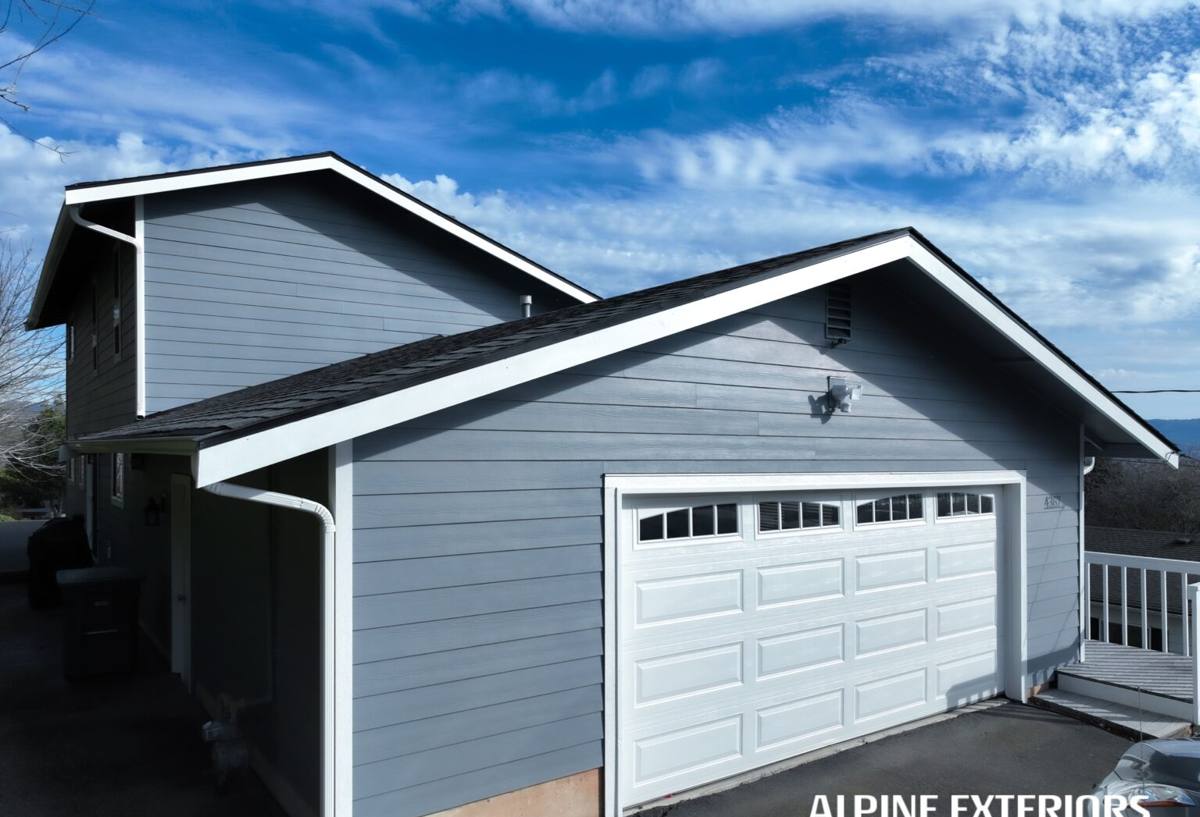
What Seattle Rain and Moss Season Actually Do to a Roof
Moss and Organic Growth
Columbia City's mature street trees and shaded lots are part of what makes the neighborhood pleasant to live in, but they also mean roofs stay damp longer after every rain. Moss, lichen, and algae take hold on roofing materials that hold moisture, and once established they work their way under shingles or shakes, lift edges, and trap water against the roof deck. On a well-installed metal roof, moss has a much harder time getting a foothold — the surface sheds water quickly and doesn't hold the fine debris and grit that organic growth needs to root into. It's not a total guarantee of a moss-free roof forever, especially in shaded, low-slope areas, but it removes one of the biggest recurring problems local homeowners deal with.
Driving Rain and Wind-Driven Water
Seattle's rain is rarely a downpour — it's usually a long, steady, wind-pushed rain that can drive water sideways under flashing, around vents, and into any gap that wasn't detailed correctly. Metal roofing performs well against this kind of weather when the panels, seams, and flashing are installed correctly, but the flip side is that any shortcut in the flashing or fastening detail shows up as a leak eventually, sometimes months later after the water has already found its way into the wall or attic. This is a material where installation quality matters as much as the product itself.
Salt Air and Corrosion
The Puget Sound region's marine air carries salt and moisture that accelerate corrosion on any exposed metal — fasteners, flashing, gutters, and roofing panels included. It's a slower process than what you'd see right on the waterfront, but over years it matters. This is why panel coatings, fastener quality, and metal gauge aren't places to cut corners on a roof that's going to sit through decades of this coastal-influenced weather.
Metal Roofing Options for Columbia City Homes
Not every metal roofing system is the same, and the right choice depends on the home's roof pitch, style, and budget. Here's how the common options compare for a neighborhood like Columbia City:
| System | Best For | Moss/Rain Performance | Trade-offs |
|---|---|---|---|
| Standing seam | Most roof styles, especially lower pitches | Excellent — concealed fasteners, continuous panel runs shed water fast | Higher material and labor cost than exposed-fastener panels |
| Exposed fastener (screw-down) | Budget-conscious projects, outbuildings, some main roofs | Good, but exposed screws are a maintenance point and a common leak source over time | Fasteners need periodic checking and eventual replacement |
| Stone-coated steel | Homes wanting the look of shingles or tile with metal's durability | Very good; textured surface still sheds better than organic materials | More installation labor; higher upfront cost |
For most Columbia City homes we recommend standing seam as the default choice — the concealed fastening system removes the single biggest long-term weak point in metal roofing, which matters given how much sustained rain this area gets. Exposed-fastener panels are a reasonable option where budget is the deciding factor, but we're upfront with homeowners about the added maintenance that comes with visible screws in a climate like this one.
What a Correct Metal Roof Installation Involves
Underlayment and Water Protection
A metal roof is only as good as what's underneath it. In a climate that sees this much sustained rain, we use a high-quality synthetic underlayment across the full roof, with self-adhering ice-and-water membrane at the vulnerable points — eaves, valleys, and any low-slope transitions. This layer is what protects the roof deck if wind-driven rain ever gets past the panels themselves, and it's not a place to use a minimal-spec product just to save cost.
Fastening and Panel Layout
Panel layout has to account for the home's actual roof geometry — valleys, dormers, chimneys, and any low-slope sections all change how water moves across the roof. Fasteners (or clips, for standing seam) need to be spaced and torqued correctly; over-driven or under-driven fasteners are one of the most common causes of early leaks and premature wear on metal roofs.
Flashing Details
Flashing is where most metal roof failures actually start, not the panels themselves. Chimneys, skylights, vent pipes, and roof-to-wall transitions all need custom-fit flashing, properly layered with the underlayment so water is always directed out and down, never trapped or funneled sideways. This is detail work that separates a roof that holds up for decades from one that starts leaking in a few years.
Our Process for Columbia City Projects
- On-site assessment — we look at the existing roof deck, ventilation, pitch, and any problem areas (moss buildup, soft decking, prior leak history) before recommending a system.
- Material and system selection — we walk through panel type, gauge, and finish options based on the home's style and the homeowner's budget and priorities.
- Tear-off and deck inspection — old roofing comes off and the deck is inspected and repaired as needed; this step matters more in a climate where hidden moisture damage is common.
- Underlayment and flashing installation — the protective layers go down first, with extra attention at valleys, eaves, and any penetration point.
- Panel installation — panels are fastened per manufacturer spec, with layout planned around the roof's actual geometry rather than a generic template.
- Final walkthrough — we review the finished roof with the homeowner, including what routine upkeep to expect.
Maintenance and What to Expect Over Time
Metal roofing is lower-maintenance than most alternatives, but "low-maintenance" isn't "no-maintenance," especially in a neighborhood with this much tree cover and rainfall. A simple annual check goes a long way:
- Clear leaves, needles, and debris from valleys and around any roof penetrations — buildup here is what starts moss growth even on a metal roof.
- Check gutters and downspouts are flowing freely; blocked gutters push water back up under roof edges.
- Look for any early moss or algae staining in shaded, low-slope areas and address it before it spreads.
- Have exposed fasteners (if that system was used) checked periodically for backing out or wear.
- After any major windstorm, a quick visual check for lifted flashing or debris damage is worth the few minutes it takes.
Cost Factors for Metal Roofing in Columbia City
Metal roofing costs more upfront than asphalt shingles, but the calculation local homeowners are usually making isn't just sticker price — it's total cost over the life of the roof, including the moss removal, gutter clearing, and earlier replacement that shingles tend to need in this climate. A few things that move the price on any given project:
| Factor | Effect on Cost |
|---|---|
| Panel system (exposed-fastener vs. standing seam) | Standing seam typically costs more due to labor and concealed clip hardware |
| Roof complexity (valleys, dormers, multiple pitches) | More cutting, flashing, and labor time increases cost |
| Existing deck condition | Rot or moisture damage found during tear-off adds repair cost |
| Panel gauge and coating | Heavier gauge and better corrosion-resistant coatings cost more but last longer in coastal-influenced air |
We give homeowners a clear, itemized estimate before any work starts, so there's no guessing about what's driving the price on a given roof.
Why Hire a Crew That Already Works in Columbia City
A roofing crew that regularly works Columbia City and the surrounding Seattle neighborhoods knows what this specific climate does to a roof — how fast moss establishes under this tree cover, where wind-driven rain tends to find weak flashing, and how the marine air here affects material choices over a 30-, 40-, or 50-year roof life. That local pattern recognition is worth more than it sounds like on paper: it's the difference between a flashing detail that's "up to code" and one that's actually built for what this neighborhood's weather does year after year.
If you're weighing a metal roof for a Columbia City home, we're happy to come take a look and give you a straightforward, no-pressure estimate — no scare tactics, just an honest read on your roof and what it needs. Use the form below to get started.