 Seattle
 Columbia City is one of Seattle's older, more architecturally mixed neighborhoods, and that mix is exactly why custom windows come up so often here. Century-old homes near the historic core sit blocks away from newer townhomes and infill construction built to entirely different standards, and neither one plays nicely with a one-size-fits-all window order. "Custom" doesn't have to mean ornate or expensive — most of the time it just means the opening in the wall isn't a size you can pull off a shelf, and the window has to be built to match the house rather than the other way around.
Why So Many Columbia City Homes Need Custom Sizing
Two very different housing eras drive custom window work in this neighborhood, and they create different problems.
Older Homes Near the Historic Core
A good share of Columbia City's housing predates modern window manufacturing standards, and part of the neighborhood sits within a recognized historic district, which means some homeowners are also weighing preservation goals alongside performance. On these houses, rough openings were framed by hand, decades before anyone agreed on standard window dimensions, so a stock replacement is often close — but not close enough to seal properly without reframing or shimming that compromises the fit.
Newer Infill and Additions
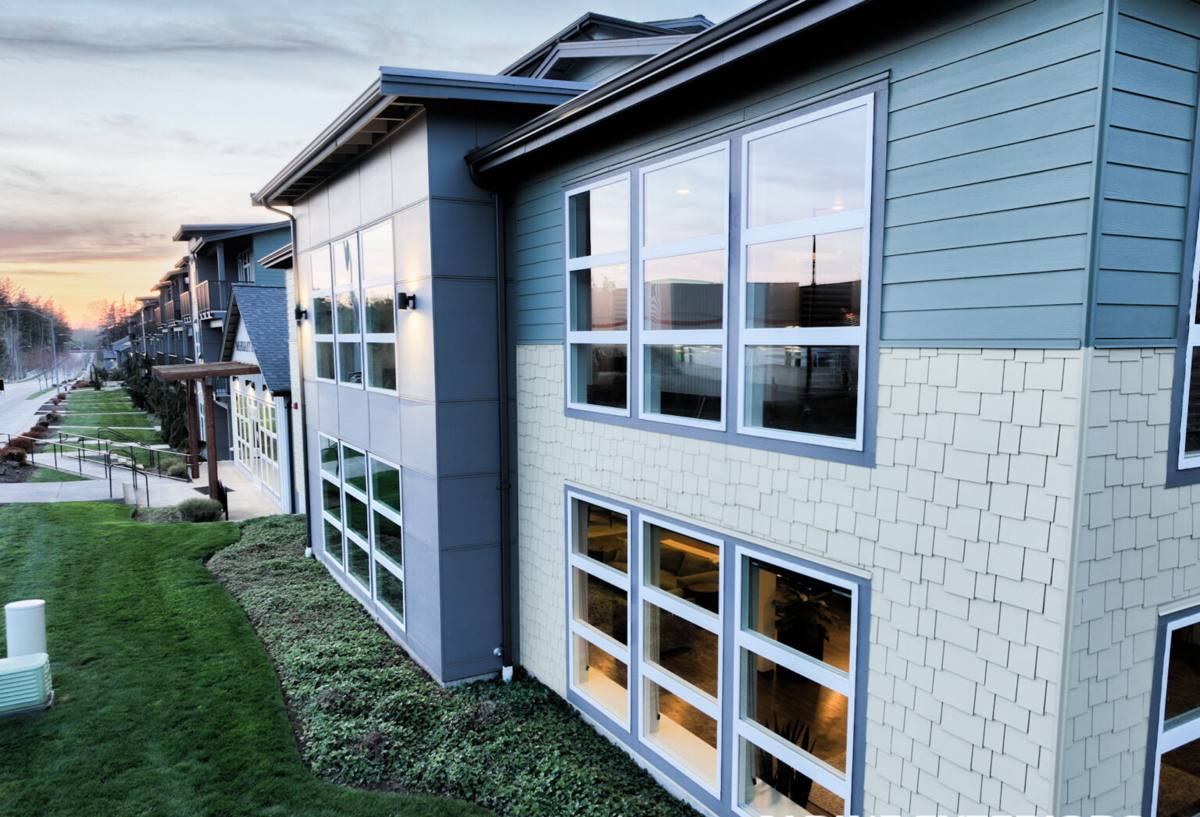
Columbia City has also seen a steady wave of newer construction — townhomes, additions, and infill builds — especially as the neighborhood has grown denser near its commercial core. Newer doesn't mean standard, though. Contemporary design leans on tall, narrow openings, oversized picture windows, and multi-unit assemblies that are custom by design, not by accident. Those projects need the same careful measurement and sourcing as a 100-year-old bungalow, just for different reasons.
What King County's Climate Adds to the Job
Seattle's marine climate doesn't spare Columbia City just because it's set back from the water. Salt-tinged air moves through the whole region, driving rain comes in sideways during winter storms rather than falling straight down, and a long moss and mildew season settles into any shaded, damp corner of a house for most of the year. All three work against whatever gaps or shortcuts exist around a window, and a custom opening — with more perimeter, more unusual angles, or more places where dissimilar materials meet — raises the degree of difficulty for keeping water out.
Where Custom Openings Are Most Vulnerable
It's rarely the glass or the sash hardware that fails first on a custom install. It's the sill, the head flashing, and the corners where the new frame meets the older wall assembly behind it — the spots most likely to get rushed on a low-bid job, and the spots that hold water against framing through a wet King County winter if they're not done right the first time.
Custom Window Situations We See in Columbia City
- Non-standard replacement sizes — matching an opening in a home built before modern sizing standards existed
- Historic-district-sensitive replacements — matching proportions, divided-lite patterns, or trim profiles on homes where original character matters
- Bay and picture windows — common on both older homes and newer infill, each requiring its own support and flashing plan
- Tall, narrow openings — a signature of contemporary townhome design, with framing tolerances that leave little margin for error
- Basement and daylight-basement egress windows — sized to code minimums for converted lower-level living space
- Matched sets for additions — new windows that need to sightline with the original house next to them
What a Correct Custom Window Installation Involves
A custom window is only as good as the opening it goes into and the flashing detail around it. On a Columbia City project, that generally means:
- Removing the old window carefully and inspecting the framing and sheathing underneath for rot or prior water damage before anything new goes in
- Taking precise measurements of the actual opening, not the nominal size of the window being replaced
- Repairing or replacing any damaged framing, sheathing, or old flashing found during removal
- Installing new flashing — sill pan, side, and head flashing — sequenced correctly so water sheds outward at every layer, not just caulked over gaps
- Setting and shimming the new unit square and plumb, since older openings and hand-framed walls rarely line up perfectly on their own
- Sealing and insulating the gap between frame and rough opening with appropriate materials, not spray foam and caulk alone
- Finishing exterior trim so water is directed away from the new seams rather than pooling against them
Skip steps four through six and the window itself can be excellent quality and still leak or rot the surrounding framing within a few wet seasons.
Custom vs. Stock: What Actually Changes
| Factor | Stock Window | Custom Window |
|---|---|---|
| Lead time | Often available quickly | Built to order — plan for weeks, not days |
| Fit | Standard sizes only — reframing needed if the opening doesn't match | Matched to the exact opening or original design |
| Flashing complexity | Straightforward, well-documented rectangular details | Shape- and age-specific — older or oversized openings need extra care |
| Structural review | Rarely needed for a like-for-like swap | Sometimes needed for bay windows or altered rough openings |
| Cost | Lower, especially for common sizes | Higher — reflects manufacturing and labor complexity |
| Best fit | Simple replacements in standard, newer openings | Older Columbia City homes, historic-district projects, additions, contemporary infill |
What Drives Cost on a Custom Window Project
We won't quote a number without seeing the opening, but the factors that move price on custom work are consistent from job to job:
| Factor | Why It Matters |
|---|---|
| Size and glass area | Larger units cost more to manufacture and are heavier to set safely |
| Shape complexity | Bay, tall-narrow, or angled units need specialty manufacturing and more flashing labor |
| Opening condition | Rot, old flashing failures, or out-of-square framing add repair work before the new unit goes in |
| Frame material | Vinyl, fiberglass, and wood-clad units differ in cost and long-term maintenance |
| Historic-district detailing | Matching proportions, grille patterns, or trim profiles adds sourcing and labor time |
| Number of units | A matched set for an addition typically has better per-unit economics than a single window |
Frame Materials for This Climate
Frame material matters more on a custom unit, since a larger or older opening has more surface area exposed to King County's wet season and less forgiveness if something is installed wrong. We'll walk through the honest trade-offs for your specific opening rather than defaulting to whatever's fastest to install. In general, vinyl and fiberglass frames hold up to sustained Seattle-area moisture with less ongoing maintenance than an all-wood exterior finish — a wood interior with a durable exterior cladding can still be the right call on an older home where the interior look matters and the exterior is properly protected.
Preserving Character in a Historic-District Neighborhood
A fair number of Columbia City homeowners want a replacement window that actually belongs on a house of that era — correct proportions, matching divided-lite patterns, trim that lines up with the original woodwork — rather than an obviously modern unit dropped into an old wall. That goal matters even more here given the neighborhood's historic district, where the streetscape's overall character is part of what makes the area worth living in. It's achievable with today's custom options, but it adds a step: matching sightlines and proportions to an existing house takes more measuring and more back-and-forth with the supplier than picking a size off a chart. Worth doing if the look matters to you — but it shouldn't come at the cost of proper flashing and sealing underneath, which is the part that actually protects the house.
Why Local Experience Matters for This Kind of Work
Manufacturer installation instructions are written for a standard, newer-construction opening. A lot of Columbia City's window stock — old and new alike — doesn't match that description, and Seattle's weather doesn't leave much room for error when it doesn't. A crew that has actually opened up walls in this neighborhood, found what's really behind the siding, and reframed or flashed around it knows which parts of the manufacturer's guidance are non-negotiable in this climate and where extra time is worth spending even when it's not strictly required.
That experience shows up in decisions that rarely get discussed up front — how much lap a flashing course needs on an old, uneven sill, when a header needs extra support because the original opening was never built to hold a heavier modern unit, whether an opening needs partial reframing rather than a shim-and-caulk fix. Those choices decide whether a custom window in a Columbia City home is still performing cleanly in fifteen years or showing rot and drafts in five.
A Practical Checklist Before You Start
- Get the actual rough opening measured before assuming a stock size will work
- Ask whether any rot or old water damage was found — and get it fixed before the new window goes in, not after
- Confirm the flashing sequence being used, not just the window brand
- Decide upfront whether matching the home's original proportions and grille pattern matters to you
- Get a clear, realistic lead time for custom units before committing to a schedule
- Ask how labor and the window unit itself are each warrantied — they're often separate
If you're dealing with an odd-sized opening in an older Columbia City home, planning a historic-sensitive replacement, or matching windows to a newer addition, it's worth having someone look at the actual opening before pricing anything. We offer free, no-pressure estimates for custom window projects in Columbia City and the surrounding Seattle area — use the form below to get a time on the schedule.