 Seattle
 Asphalt Shingle Roofing Built for Columbia City's Weather
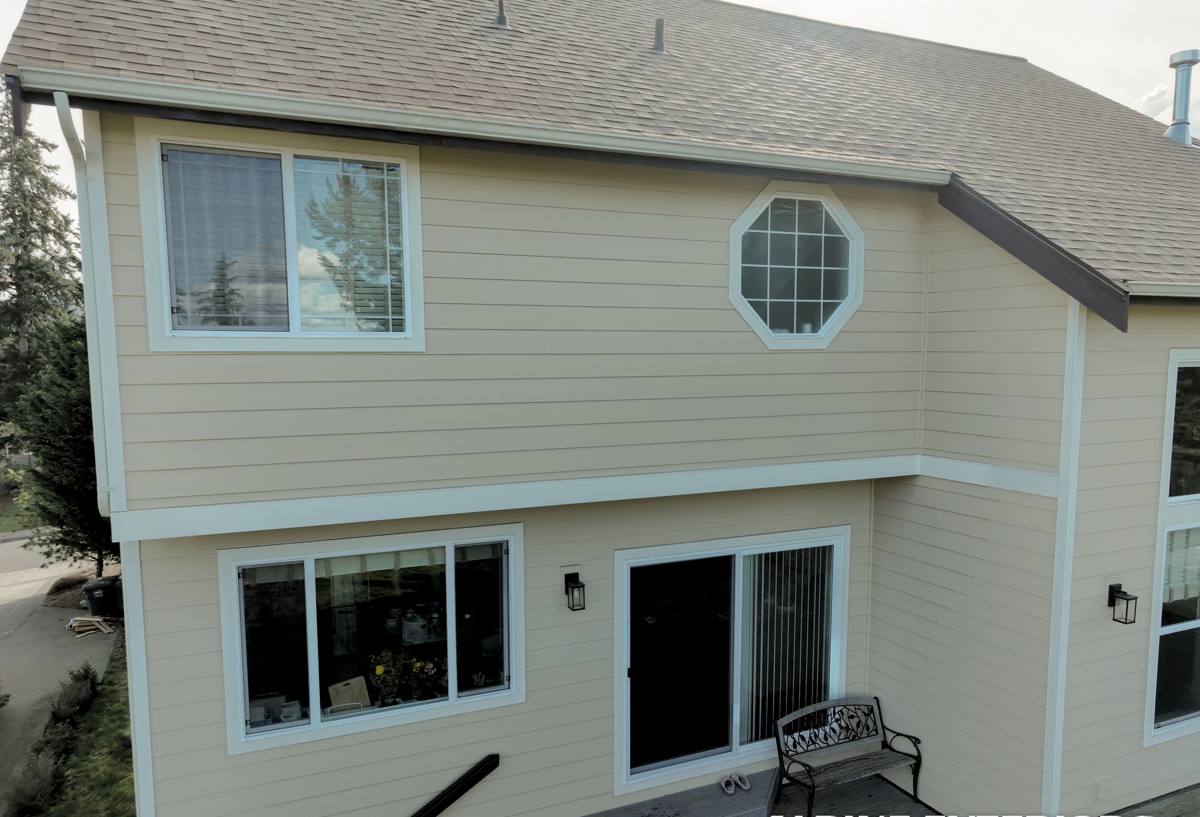
Columbia City homes deal with a specific combination of conditions: long stretches of driving rain off the Sound, moisture-laden air that keeps roofs damp for days at a time, and a moss season that can run from fall through spring. None of that is unusual for King County, but it does mean a roof installed with generic assumptions — rather than local ones — tends to underperform here. Asphalt shingle roofing remains one of the most practical choices for this neighborhood's mix of older bungalows, mid-century houses, and newer infill construction, but only when the materials, ventilation, and detailing are chosen with Seattle's climate in mind, not a national average.
This page covers what a correctly installed asphalt shingle roof looks like for a Columbia City property, the decisions that matter most, and why local installation experience changes the outcome.
Why Local Climate Changes the Job
Moisture Is the Constant Variable
Seattle doesn't get the heaviest annual rainfall in the country, but it gets a lot of low-intensity, long-duration rain, plus periods of wind-driven rain that pushes water sideways under poorly lapped shingles or weak flashing. A roof here spends more cumulative hours wet than a roof in a drier climate, even if the total rainfall numbers look moderate on paper. That changes what "correct installation" means: underlayment choice, flashing at every penetration, and proper shingle overlap matter more here than in places where roofs dry out quickly between storms.
Moss Season Is Not Cosmetic
Moss and algae growth on shade-prone, north-facing, or tree-covered roof sections is a maintenance issue, not just an appearance issue. Moss holds moisture against the shingle surface, and over years that shortens the life of the roofing material and can work its way under shingle tabs. Columbia City's tree canopy and closely spaced lots mean a lot of roofs in the area get partial shade for large parts of the day, which is exactly the condition moss favors.
Salt Air's Slow Effect on Metal Components
Proximity to Puget Sound means the air here carries more salt content than an inland climate. This mostly affects the metal components of a roofing system — flashing, drip edge, nails, and vents — rather than the shingles themselves. Lower-grade or improperly coated metal will corrode faster in this environment, which is why the fasteners and flashing metal used matter as much as the shingle brand on the invoice.
What a Correct Asphalt Shingle Job Involves
A shingle roof is a system, not a single product. Each layer has a job, and skipping or under-speccing any one of them is where premature leaks and shortened roof life come from.
- Tear-off and deck inspection: Old roofing removed down to the deck, with the sheathing checked for soft spots, rot, or delamination before anything new goes on.
- Ice and water shield at vulnerable areas: Self-adhering membrane at eaves, valleys, and around penetrations — the areas most exposed to wind-driven rain and ice damming during cold snaps.
- Synthetic underlayment across the field: A water-resistant barrier under the shingles that gives a second line of defense if any shingle is compromised.
- Properly lapped, corrosion-resistant flashing: At chimneys, skylights, walls, and valleys — the single most common source of roof leaks when done wrong.
- Balanced ventilation: Intake at the eaves and exhaust at the ridge, sized to the attic volume, to control moisture buildup and temperature swings.
- Correct nailing pattern and shingle exposure: Manufacturer-spec nail placement and count, not the minimum needed to pass a quick look.
- Ridge cap and starter strip installed as a system, not an afterthought: These finish pieces protect the most wind-exposed parts of the roof.
Choosing the Right Shingle for a Columbia City Roof
Architectural vs. Three-Tab
Three-tab shingles are the lower-cost, flatter-profile option. Architectural (dimensional) shingles cost more but are heavier, more wind-resistant, and better suited to a climate with regular wind-driven rain. For most Columbia City homes, we recommend architectural shingles as the standard choice — the added durability pays for itself over the life of the roof in a climate this wet.
Algae-Resistant (AR) Shingles
Given the moss and algae pressure discussed above, we default to algae-resistant shingle lines for anything with tree coverage or a shaded exposure. These shingles have copper or zinc granules blended in that slow algae growth. It's not a permanent fix — moss removal and gutter maintenance are still part of ownership — but it meaningfully extends the interval between problems.
Impact and Wind Ratings
King County isn't a high-hail region, but wind events do happen, especially in fall and winter storms. We look at a shingle's wind rating relative to its warranty terms and make sure the installation (nail count, adhesive strip activation) actually qualifies the roof for that rating — a shingle is only as wind-resistant as its installation.
| Factor | Three-Tab Shingle | Architectural Shingle |
|---|---|---|
| Typical lifespan | 15–20 years | 25–30+ years |
| Wind resistance | Lower | Higher |
| Moss/algae resistance (with AR granules) | Available | Available, better base durability |
| Upfront cost | Lower | Moderate |
| Fit for Columbia City's rain/moss exposure | Acceptable, higher maintenance | Better long-term match |
Ventilation: The Part Homeowners Don't See
A shingle roof with poor attic ventilation will underperform no matter how good the shingles are. In a climate as damp as Seattle's, trapped attic moisture condenses on the underside of the sheathing, which can rot the deck from the inside out and void shingle warranties that require adequate ventilation. Balanced intake-and-exhaust airflow also reduces the freeze-thaw stress that contributes to ice damming during King County's occasional cold snaps. When we quote a re-roof, we evaluate existing ventilation as part of the job — not as an upsell added later.
Our Installation Process
1. On-Site Assessment
We inspect the existing roof, attic ventilation, deck condition, and any problem areas (valleys, chimney flashing, shaded sections with moss buildup) before quoting anything. This is where we catch deck damage or ventilation issues that a drive-by estimate would miss.
2. Clear, Written Scope
You get a written scope covering shingle line, underlayment type, flashing approach, and ventilation plan — not just a square-footage price. If your roof has a shaded north side or tree exposure, we'll flag that as a factor in shingle selection and future maintenance.
3. Tear-Off and Deck Repair
Full tear-off to bare deck, with any soft or damaged sheathing replaced before underlayment goes down. Covering a compromised deck with new shingles just delays a bigger problem.
4. Installation to Manufacturer Spec
Ice and water shield, underlayment, flashing, shingles, and ridge components installed in the sequence and fastening pattern that keeps your warranty valid and matches what this climate actually requires.
5. Final Walkthrough
We walk the completed roof and go over what was done, what to expect for maintenance (moss checks, gutter clearing), and what your warranty covers.
Maintenance That Actually Matters Here
- Check shaded and north-facing roof sections for moss growth once or twice a year — early removal is far less disruptive than letting it establish.
- Keep gutters clear so water isn't backing up under the shingle edge during heavy rain events.
- After major windstorms, a quick visual check (from the ground) for lifted or missing shingles can catch small problems before they become leaks.
- Avoid pressure washing moss off shingles — it strips granules and shortens shingle life; use low-pressure treatments or professional removal instead.
- Have flashing around chimneys and skylights checked periodically — these are the most common leak points on an otherwise sound roof.
Why a Crew That Works Columbia City Regularly Matters
Roofing crews that work across a wide range of climates default to generic specs. A crew that regularly works in Columbia City and the surrounding Seattle neighborhoods knows which roof orientations in this area tend to hold moss, which older homes commonly have under-ventilated attics, and how to detail flashing for a climate where roofs rarely get a long dry stretch to reveal small mistakes before they become leaks. That local pattern recognition is the difference between a roof that looks right on installation day and one that actually holds up through a full King County winter.
Get a Straightforward Estimate
If you're weighing a repair against a full re-roof, or just want an honest read on how much life is left in your current roof, we're happy to take a look. Reach out through the form below for a free, no-pressure estimate on asphalt shingle roofing for your Columbia City home.