 Seattle
 Building a Deck That Actually Holds Up in University District
University District homes see a specific mix of weather that a lot of national deck-building advice simply doesn't account for. You've got long stretches of driving rain in the fall and winter, a moss season that can run six months or more, and Puget Sound's salt-laden air working on every exposed fastener, hinge, and metal bracket. A deck that's framed and finished the way it would be in a drier climate will show problems within a few seasons here — soft spots, black streaking, sponge-like decking, and hardware that rusts before it should.
We build and rebuild decks in this neighborhood the way the local conditions actually demand: with drainage as the first design decision, not an afterthought, and with materials and fasteners chosen for a wet, coastal-influenced climate rather than a catalog photo.
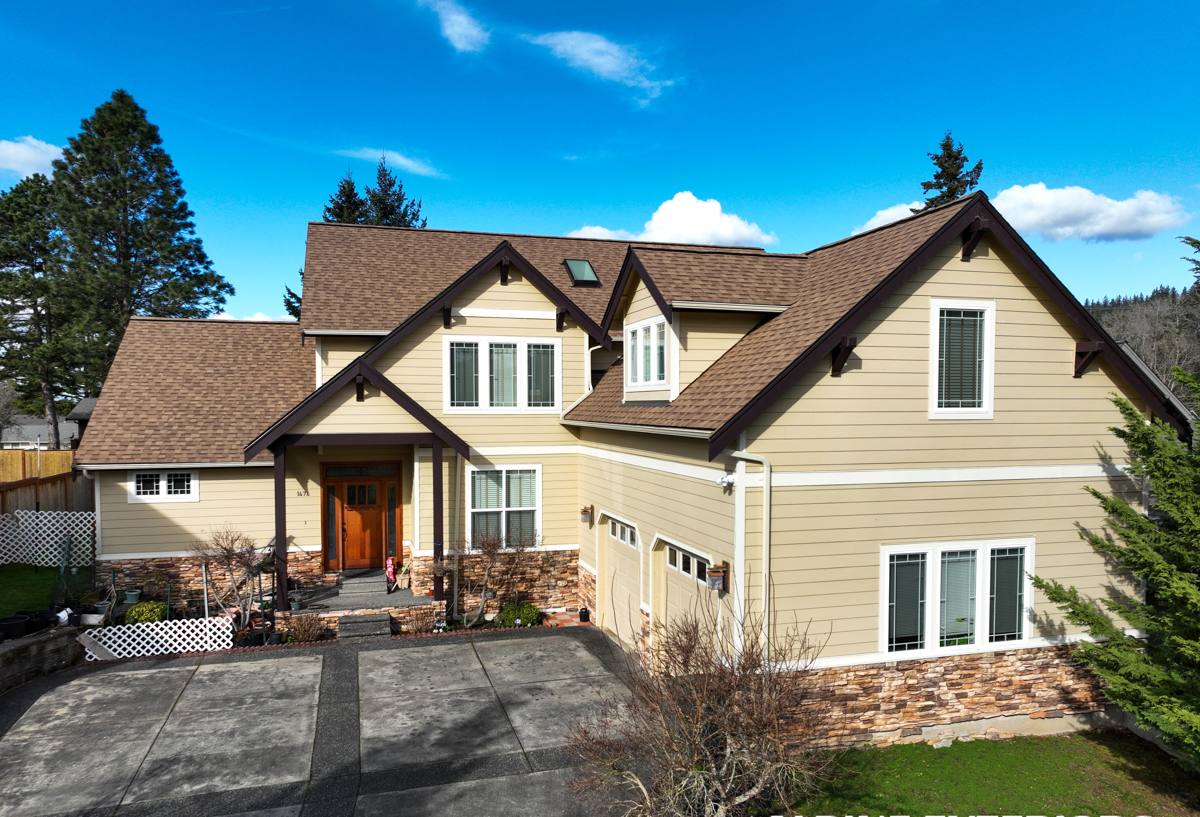
What Seattle's Climate Does to a Deck Over Time
Driving Rain and Standing Water
Rain in this part of King County doesn't just fall straight down — wind off the Sound pushes it sideways into ledger boards, stair stringers, and any joint where two pieces of wood meet. Over time, water finds its way into end grain, fastener holes, and any spot where flashing was skipped to save a step. That's where rot starts, almost always from the inside out, long before it's visible on the surface.
Moss and Organic Growth
University District's tree cover and the region's mild, damp winters mean moss and algae have a long growing season on any horizontal surface that doesn't dry out quickly. Moss holds moisture against the decking surface, which accelerates wood decay and makes composite and wood boards alike more slippery underfoot. A deck with poor airflow underneath, or boards installed too tight together, will grow moss faster and hold it longer than one built with proper spacing and ventilation.
Salt Air and Metal Fatigue
Even away from the immediate waterfront, Seattle's marine air carries enough salt to accelerate corrosion on standard fasteners, joist hangers, and railing hardware. Builders who don't account for this will use whatever screws and brackets are cheapest, and homeowners end up with rust stains bleeding through the decking and structural connectors weakening years ahead of schedule.
Choosing Decking Material for This Climate
There's no single "best" decking material — there's a best material for your budget, your maintenance appetite, and how much sun versus shade your yard gets. Here's how the common options actually perform under University District conditions:
| Material | Moisture Behavior | Moss Resistance | Maintenance |
|---|---|---|---|
| Pressure-treated wood | Absorbs water readily; needs sealing | Low — moss takes hold fast without upkeep | Annual cleaning and re-sealing |
| Cedar | Naturally moisture-resistant, but still needs finish | Moderate | Periodic sealing, occasional board replacement |
| Composite (capped) | Does not absorb or rot | Moderate to good, depending on brand and texture | Periodic washing; no sealing or staining |
| PVC decking | Fully moisture-proof | Good with regular rinsing | Lowest — occasional cleaning only |
We don't push one product line on every homeowner. What we do insist on is being honest about the trade-offs: wood costs less up front but demands real yearly maintenance in this climate, while composite and PVC cost more initially but shift the burden from sealing and staining to simple washing. The wrong call isn't picking wood — it's picking wood and skipping the maintenance a wet climate requires.
What a Correctly Built Deck Involves
A deck that lasts in University District's climate is built differently below the surface than one built for a dry region. The details that matter most are the ones you won't see once the project is finished:
Ledger Attachment and Flashing
Where the deck attaches to the house is the single most common failure point we find on older decks in this neighborhood. Proper flashing — installed in the correct layered order with the house's existing weather barrier — keeps water from tracking behind the siding and into the rim joist. Skipping or rushing this step is invisible on installation day and expensive to fix later.
Joist Protection and Spacing
Joists need a moisture barrier tape or cap to keep standing water from soaking into the top of the framing, plus enough gap between deck boards for water to drain through rather than pool on top. Tight-fit boards look clean in a photo but trap moisture and accelerate both rot and moss growth.
Fasteners and Hardware
Given the salt content in Seattle's air, we use stainless steel or coated fasteners and connectors rated for coastal exposure, not the standard-grade hardware that's fine in drier inland climates. It costs more per piece and makes no difference to how the deck looks — but it's the difference between hardware that lasts the life of the deck and hardware that stains and weakens within a handful of winters.
Footings and Drainage
Given King County's clay-heavy soils in many yards, footings need to be sized and set below frost depth with drainage that carries water away from the post base rather than letting it pool. A deck can look solid for a couple of years on undersized or poorly drained footings before movement starts showing up in the railings and stairs.
How Our Process Works
Every deck project follows the same basic sequence, whether it's a full rebuild or new construction:
- On-site assessment — we look at drainage, sun/shade exposure, existing structure (if a rebuild), and how the space will actually be used.
- Material and design conversation — an honest walkthrough of decking options, railing styles, and what each choice costs to maintain over time in this climate.
- Permitting — we handle the permit application and inspection scheduling required for the project.
- Demolition (if applicable) — old decking, framing, and footings are removed and hauled off, with structural issues flagged before rebuilding begins.
- Framing and flashing — the structural work that determines how the deck performs for the next 15-25 years happens here, not in the visible finish work.
- Decking, railing, and finish work — the visible layer goes on last, once the structure underneath is sound.
- Final walkthrough — we review the finished deck with you, including what maintenance it will and won't need going forward.
Maintaining a Deck in a Wet, Mossy Climate
Even a well-built deck needs some seasonal attention in this region. A short list of what actually matters:
- Sweep leaves and debris off the deck surface regularly in fall — trapped organic material holds moisture and feeds moss growth.
- Rinse or lightly scrub moss and algae off decking before it builds up a slick layer, especially on shaded sections.
- Check that gaps between boards remain clear so water can drain through rather than pool.
- Inspect ledger flashing and any caulked joints once a year for cracking or gaps.
- For wood decks, plan on re-sealing or re-staining every one to three years depending on sun exposure.
- Look over railing hardware and fasteners periodically for early rust or corrosion, especially after a wet winter.
Permits and Code in Seattle and King County
Most new decks and many deck rebuilds in Seattle require a building permit, particularly once you're above a certain height off grade or attaching structurally to the house. Requirements cover things like guardrail height, stair geometry, footing depth, and ledger attachment methods — all details that matter more in a wet climate where a code shortcut becomes a structural problem faster than it would somewhere dry. We handle the permit process as part of the project so you're not left navigating city requirements on your own.
Why It Matters to Hire a Crew That Already Works This Neighborhood
A deck builder who mainly works drier inland regions can still build something that looks right — but "looks right" and "built right for University District's weather" aren't always the same thing. A crew that regularly works in this part of Seattle already knows which fastener grades hold up, how much board spacing actually matters here versus in a dry climate, and where past decks in the neighborhood tend to fail first. That local pattern recognition is what keeps a deck from turning into a five-year problem instead of a twenty-year investment.
We also know the practical side of working in this neighborhood — typical lot layouts, drainage patterns common to the area, and how to sequence a build around King County's wetter months so framing isn't left exposed to weather any longer than necessary.
Get a Straight Answer About Your Deck Project
Whether you're planning a new deck, replacing one that's showing its age, or just want an honest read on whether yours needs repair or full replacement, we're happy to take a look. Use the form below to request a free, no-pressure estimate — we'll walk the space, talk through material options that fit your budget, and give you a clear picture of what the project actually involves before you decide anything.