 Seattle
 Beacon Hill's Weather Works Differently on a Roof
Beacon Hill sits up on a ridge above the Duwamish valley, which means roofs here take wind and weather that lower, more sheltered parts of Seattle don't see the same way. Storms rolling in off Puget Sound hit the hill with more force, and the elevation that gives the neighborhood its views also gives storms a clear run at exposed roof planes. Add in the salt-tinged air that drifts up from the Sound, driving rain that comes in sideways during the wetter months, and a moss season that can run from October well into spring, and you've got a roof that ages differently than one in a drier climate.
None of that means Beacon Hill roofs fail faster than others — it means storm damage here tends to show up in specific, predictable places, and a repair that doesn't account for the local conditions usually needs to be redone within a year or two. This page is about doing it right the first time, specifically for this neighborhood.
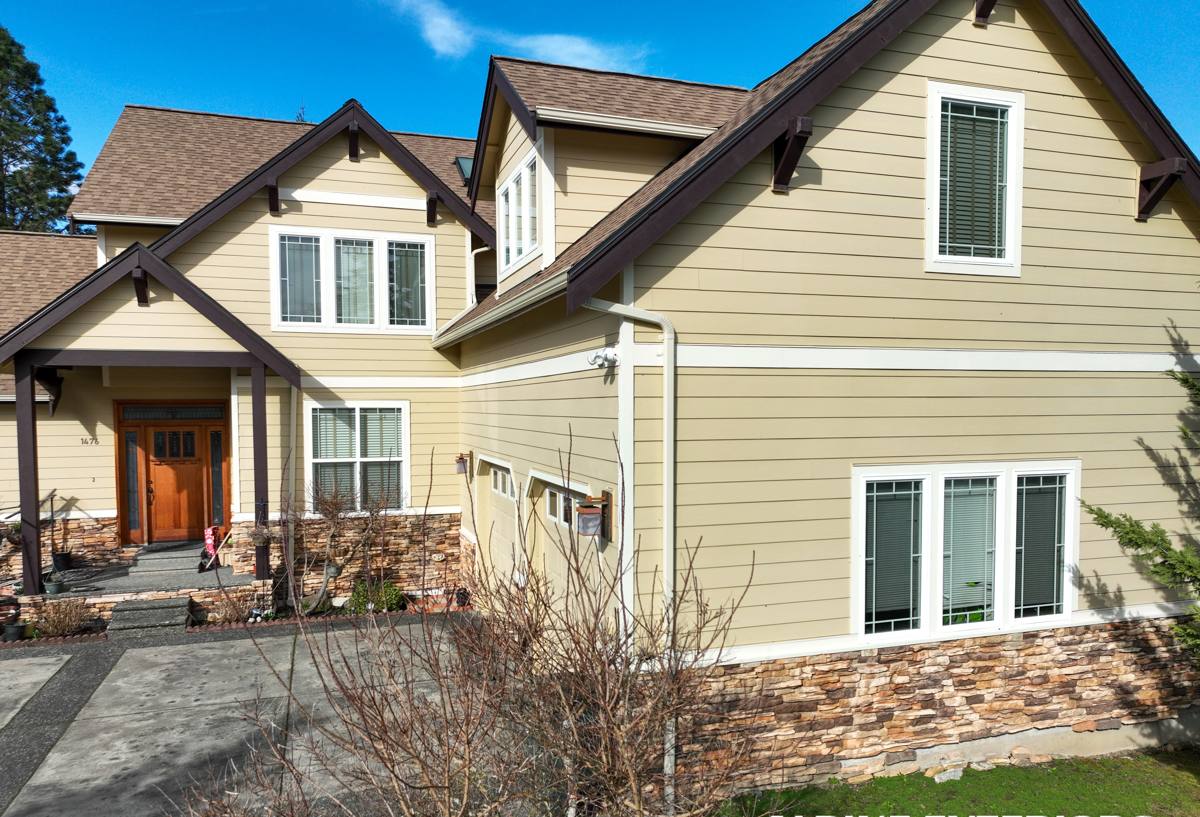
What Storm Damage Actually Looks Like in This Neighborhood
Wind Damage
Beacon Hill's exposure means gusts can get up under shingle tabs or shake edges, especially on roof faces that catch wind coming off the water. Once a wind event lifts a section of roofing, even slightly, that spot is compromised for every rain event that follows — it doesn't have to blow off completely to start letting water in.
Driving Rain
King County storms rarely come straight down. Wind-driven rain finds its way under flashing, around chimneys, and into any gap that would stay dry in a calm rain. On older homes with original flashing details, this is one of the most common ways storm damage turns into a slow leak that isn't noticed until there's a stain on a ceiling.
Moss and Debris Buildup
The tree canopy that makes Beacon Hill's older blocks so pleasant also drops needles, leaves, and seed debris onto roofs year-round. Combined with a long damp season, that debris holds moisture against shingles and feeds moss growth. During a storm, mats of moss and debris can dam up water on a roof plane or clog valleys and gutters right when the roof needs to shed water fastest — that's often when a marginal roof turns into an active leak.
Tree Limb and Impact Damage
Wind storms combined with saturated soil bring down limbs, and Beacon Hill's mature street trees and yard trees mean this is a real risk during any significant windstorm. Impact damage can range from a few cracked or punctured shingles to structural damage on the decking underneath.
What's Happening Underneath the Surface
Visible shingle damage is only part of the picture. Storm damage repair that only replaces what's obviously broken on top often misses what's happening below:
- Underlayment: Once wind or impact breaches the shingle layer, the felt or synthetic underlayment underneath is the last line of defense. If it's old or was already compromised by moss and moisture, it may not hold up even after the visible shingle damage is patched.
- Decking: Sustained moisture from a slow leak or a debris dam can soften the plywood or board decking underneath. This won't always show from the attic side right away, especially on Beacon Hill's older homes with less ventilation than current code requires.
- Flashing: Around chimneys, skylights, and roof-to-wall transitions, flashing that's been flexed by wind or corroded by years of salt-tinged moisture is a common source of leaks that get blamed on "the storm" when the storm just exposed an existing weak point.
Why This Matters for Beacon Hill Specifically
Given the mix of older bungalow-era housing stock and newer construction on the hill, we see a wide range of roof ages and original construction quality. An older roof with decades of moss cycles and salt air exposure needs a more careful look after a storm than a newer roof — even if the visible damage looks similar from the ground.
Our Storm Damage Repair Process
1. Inspection First, Not Assumptions
We start every storm call with a full roof inspection, not just a look at the spot the homeowner points to. Storm damage rarely stays confined to one area, and on a hillside property with wind exposure, we check every plane, all flashing points, and the attic if accessible.
2. Document Before We Touch Anything
We photograph and note damage before starting repairs. This protects the homeowner if an insurance claim is involved, and it gives us a clear before-and-after record of the work.
3. Stabilize First
If there's active water intrusion or exposed decking, our first priority is stopping further damage — not scheduling a full repair for next week. See emergency tarping below.
4. Repair to Match, Not Just Patch
We match shingle type, color, and exposure as closely as possible so a repair doesn't stand out as an obvious patch, and we replace flashing rather than re-sealing it when it's been compromised — sealant is a short-term fix, not a repair.
5. Clear the Debris and Moss That Caused the Backup
If moss or debris buildup contributed to the damage, we clear it as part of the repair, not as an upsell afterward. Leaving the underlying cause in place means the same failure happens again next storm season.
Emergency Tarping and Stabilization
When a storm has left a roof actively leaking or with exposed decking, the priority is keeping water out until a proper repair can be done — not rushing a permanent fix in bad weather. A correctly installed tarp:
- Covers well past the damaged area on all sides, not just the visible hole
- Is anchored so wind can't get underneath and rip it loose in the next gust
- Directs water off the roof rather than pooling it against the tarp edges
- Is inspected again once the immediate storm system has passed
A poorly placed tarp can do more harm than good on a windy hillside lot, so this isn't a job for a quick DIY fix if the damage is significant.
Repair vs. Replace: What Actually Drives the Decision
Not every storm-damaged roof needs full replacement, and not every "small" leak is actually a small repair. The honest answer depends on a handful of factors:
| Factor | Favors Repair | Favors Replacement |
|---|---|---|
| Roof age | Under roughly half its expected lifespan | Already near or past expected service life |
| Extent of damage | Localized to one section or plane | Multiple planes or widespread moss/moisture damage |
| Decking condition | Solid, no soft spots | Soft or delaminated decking found during inspection |
| Shingle match availability | Matching material still available | Discontinued product, visible mismatch unavoidable |
| Prior repair history | First storm event on this roof | Repeated patch jobs over several years |
We'll tell you honestly which side of this table your roof falls on. A repair that's likely to fail again within a couple of storm seasons isn't a good use of anyone's money.
Insurance Claims and Documentation
Storm damage is one of the more straightforward insurance claim categories, but it still requires clear documentation: dated photos, a written scope of damage, and an itemized repair estimate. We provide documentation homeowners can hand directly to their adjuster, and we're available to walk an adjuster through the damage on-site if that's helpful. We don't inflate scopes to chase a bigger payout — our job is an accurate assessment, whether that helps or hurts a claim.
What to Do Right After a Storm
- Photograph any visible damage from the ground — don't get on the roof yourself
- Check attic spaces (if safely accessible) for new water stains or light coming through
- Note the date and general weather conditions of the storm event for your records
- Call for an inspection promptly — delayed reporting can complicate insurance claims
- Avoid sealing anything yourself before an inspection; it can obscure the actual damage
Moss and Ongoing Prevention
Given how much of Beacon Hill's storm damage traces back to moss and debris buildup rather than the wind or rain alone, prevention is genuinely the cheapest repair available. Regular moss treatment, gutter clearing before the fall storm season, and trimming back overhanging limbs all reduce how much damage a given storm can do. We're happy to flag these during a repair visit even when they're not the reason for the call.
Why a Crew That Knows Beacon Hill Matters
A roofing crew that mostly works flatter, more sheltered parts of King County can still do competent work, but they won't necessarily know which roof orientations on this hill take the worst of a southwesterly storm, or how a particular block's tree cover changes the moss timeline. We work this neighborhood regularly, which means we're not guessing at exposure or drainage patterns — we've seen how these roofs actually perform through a full Seattle storm season, not just how they look on the day of the estimate.
If a recent storm has left you with damage, missing shingles, or a leak you're not sure about, we're glad to take a look. Fill out the form below for a free, no-pressure estimate — we'll tell you plainly what we find and what it would take to fix it right.