 Seattle
 Roofing Built for Columbia City's Housing Stock and Weather
Columbia City is one of Seattle's older residential neighborhoods, with a mix of early-1900s craftsman bungalows, mid-century homes, and newer infill construction tucked under a mature tree canopy. That combination — older roof framing, big deciduous trees dropping leaves and debris, and a housing stock where many original roofs have already gone through one or two replacement cycles — means roofing needs here aren't identical to a newer subdivision on the Eastside or a wide-open lot with full sun exposure. A new roof installation in this neighborhood has to account for both the age of the structure underneath it and the shade, moisture, and organic debris load the surrounding trees create.
Add in the broader Puget Sound region's weather pattern — long stretches of driving rain, high humidity, and a moss season that can run from fall through spring — and it's clear a roof here needs more than just new shingles nailed down. It needs a system: underlayment, flashing, ventilation, and drainage all working together so water and moisture never get a foothold.
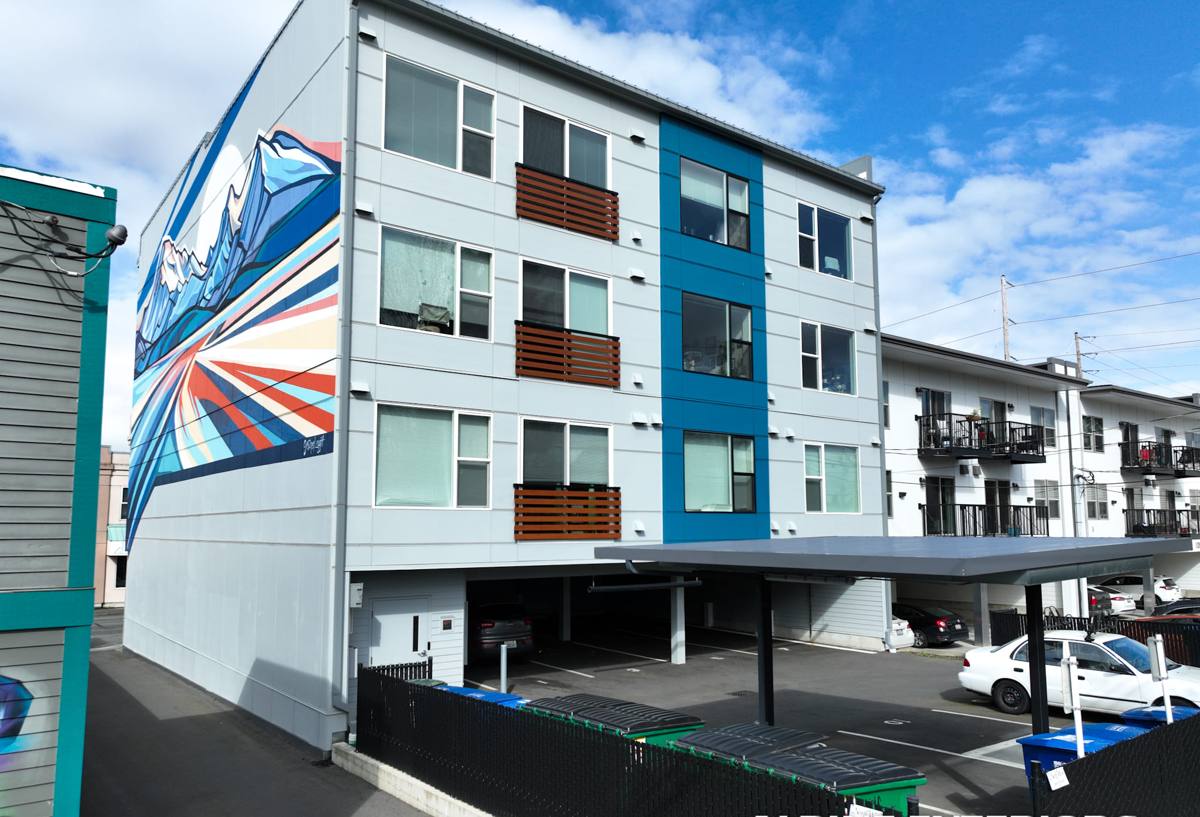
What King County's Climate Does to a Roof Over Time
Seattle doesn't get hammered by hail or extreme heat the way other parts of the country do, but the slow, steady wear here is its own challenge. Wind-driven rain works its way sideways under poorly lapped shingles and around aging flashing. Constant damp keeps roof surfaces wet for days at a time, which is exactly the environment moss and algae need to take hold. And shaded, tree-covered lots — common in Columbia City — stay wetter longer after a storm than roofs in full sun, extending the window where organic growth and rot-friendly moisture can set in.
None of that means a roof here needs to be exotic or overbuilt. It means the basics — proper underlayment, correctly lapped and sealed flashing, adequate attic and roof ventilation, and a moss-resistant surface — actually have to be done right, not just done. A lot of roof failures we see aren't caused by bad materials; they're caused by shortcuts in the details that don't show up until a few winters of driving rain and standing moisture have had time to work.
Signs a Roof Needs Full Replacement, Not Another Repair
- Shingles that are cupping, cracking, or losing granules in patches rather than just at the edges
- Moss or algae staining that comes back within a season or two of cleaning, even after treatment
- Daylight visible through the roof deck or attic sheathing that feels damp or soft to the touch
- Multiple leak repairs in different spots over the past few years instead of one isolated issue
- Flashing around chimneys, skylights, or vent stacks that's rusted, lifted, or was never properly step-flashed
- A roof that's at or past the manufacturer's expected service life for its material type
- Sagging rooflines, which usually point to deck or framing damage, not just surface wear
Material Options for a Columbia City Roof
Most homes in this neighborhood are good candidates for either a quality architectural asphalt composition shingle or, for homeowners wanting a longer-term investment, standing seam metal. There's no single "right" answer — it depends on the roof's pitch, the home's style, the budget, and how long the owner plans to stay in the house. Below is an honest comparison of the two options we install most often in this area, plus where basic three-tab shingles still fit.
| Material | Typical Lifespan | Moss/Moisture Resistance | Best Fit |
|---|---|---|---|
| Three-tab asphalt shingle | 15–20 years | Fair — needs regular moss treatment | Budget-driven projects, rental properties |
| Architectural (dimensional) asphalt shingle | 25–30 years | Good, especially with algae-resistant granules | Most Columbia City homes; balance of cost and durability |
| Standing seam metal | 40–50+ years | Excellent — sheds moss and debris naturally | Steep-pitch roofs, long-term owners, modern or farmhouse-style homes |
We steer most homeowners toward algae-resistant architectural shingles as the default for shaded, tree-heavy lots — the copper- or zinc-infused granules actively discourage moss and algae growth, which matters more here than in drier climates. Metal costs more up front but earns that back in reduced maintenance and a roof that essentially sheds moss on its own rather than needing regular cleaning.
How We Approach a New Roof Installation
1. Inspection and Deck Assessment
Before any tear-off begins, we get on the roof and into the attic. Older Columbia City homes sometimes have deck sheathing that looks fine from below but has soft spots or old water staining once the existing roofing is stripped away. We flag this upfront so there are no surprises mid-project — and no pressure to sign off on deck repairs you didn't know were coming.
2. Full Tear-Off
We remove the existing roofing down to the deck rather than layering over it. Overlaying hides problems and shortens the life of the new roof — it's not something we do, regardless of what it might save on labor.
3. Deck Repair and Prep
Any damaged or rotted sheathing gets replaced before anything new goes down. This is the step that determines whether the roof performs for its full expected lifespan or starts failing early from the inside out.
4. Underlayment and Ice-and-Water Protection
Given how much wind-driven rain this region gets, we use a synthetic underlayment across the full roof and add ice-and-water shield at vulnerable points — eaves, valleys, and around penetrations — where wind can drive moisture up and under standard shingle laps.
5. Flashing
Chimneys, skylights, sidewalls, and vent stacks all get new step and counter-flashing, properly integrated with the underlayment. Reused old flashing is one of the most common causes of "mystery leaks" on an otherwise new roof, so we don't do it.
6. Roofing Installation
Shingles or panels go down to manufacturer spec — correct nailing pattern, correct exposure, correct overlap. This is where corners get cut on rushed jobs, and it's the difference between a roof that handles 25 years of Puget Sound storms and one that doesn't.
7. Ventilation Check
We confirm intake and exhaust ventilation are balanced. More on why this matters below.
8. Final Walkthrough and Cleanup
We walk the property for nails and debris, including a magnetic sweep of the yard and driveway, and review the finished roof and warranty paperwork with the homeowner.
Why Ventilation Deserves Its Own Conversation
In a climate this wet, roof ventilation isn't optional trim — it's part of the moisture-control system. Without balanced intake (usually soffit vents) and exhaust (ridge vents or equivalent), warm, humid air from inside the house gets trapped in the attic. That trapped moisture condenses against the cool underside of the roof deck, which rots sheathing and rafters from the inside — sometimes years before any exterior sign of a problem shows up. It also shortens shingle life by cooking them from underneath in summer and keeping them damp in winter.
We check existing ventilation on every replacement and correct it as part of the job when it's inadequate, rather than treating it as a separate upsell. A new roof installed over bad ventilation is a roof that's already on a shorter clock.
What Drives the Cost of a New Roof
| Factor | Why It Matters |
|---|---|
| Roof size and pitch | Steeper roofs take longer, need more safety setup, and use more material per square |
| Number of layers to remove | Tear-off of multiple old layers adds labor and disposal cost |
| Deck condition | Rotted or soft sheathing found during tear-off adds repair cost, but skipping it isn't an option |
| Material choice | Three-tab, architectural shingle, and metal fall at different price points and lifespans |
| Roof complexity | Valleys, dormers, skylights, and multiple penetrations all add flashing and labor time |
| Access | Tight urban lots, tree cover, and limited driveway access can affect staging and dumpster placement |
Exact pricing depends on all of the above, which is why we walk every roof in person before quoting rather than giving numbers over the phone. A ballpark range without seeing the roof usually ends up wrong in one direction or the other.
Why a Crew That Already Works This Neighborhood Matters
Columbia City's older homes, narrower lots, and mature street trees create real, practical constraints — parking for equipment, tree limb clearance, dumpster placement, and sometimes tie-ins to older, non-standard roof framing. A crew that regularly works in this part of Seattle has already solved these logistics dozens of times and isn't figuring it out for the first time on your project. It also means faster City of Seattle permitting familiarity where a permit is required, and a better read on what King County's weather patterns actually do to a roof over a full year, not just what a manufacturer's spec sheet says in ideal conditions.
Local experience also shapes material recommendations. We're not guessing which shingle lines hold up to years of Pacific Northwest damp and moss pressure — we're basing it on what we've seen come off roofs in this exact climate.
Maintaining a New Roof After Installation
- Keep gutters clear of leaves and debris, especially in fall under tree cover common to this neighborhood
- Have moss treated or gently removed before it builds a thick mat, rather than after
- Trim back overhanging branches that keep sections of the roof shaded and damp longer than the rest
- Schedule a visual inspection after major windstorms to catch lifted shingles or flashing early
- Avoid pressure washing the roof surface directly — it can strip granules and shorten shingle life
A well-installed roof in this climate is largely low-maintenance, but a little seasonal attention goes a long way toward hitting its full expected lifespan.
Get a Free, No-Pressure Estimate
If your Columbia City home is showing signs of an aging roof — or you'd just like an honest opinion on how many years it has left — we're glad to take a look. Use the form below to request a free estimate, and we'll walk the roof, answer your questions, and give you a straight assessment with no pressure to move forward until you're ready.