 Seattle
 Deck Repair Built for Columbia City's Climate
Columbia City sits in one of Seattle's older, tree-shaded pockets of King County, and that combination is tough on decks. Mature tree cover keeps yards cool in summer but also keeps deck surfaces damp long after a storm passes, since sunlight and wind don't reach the wood fast enough to dry it out. Add in the region's driving rain, salt-laced marine air drifting in off Puget Sound, and a moss season that can run from October through May, and you have a near-perfect recipe for slow, hidden deck decay. Most deck problems we see in this neighborhood didn't happen overnight — they built up over several wet seasons while the deck still looked fine from a distance.
This page covers deck repair specifically — what fails first on a Pacific Northwest deck, what a correct repair actually involves, and how we handle the work when we come out to a Columbia City property.
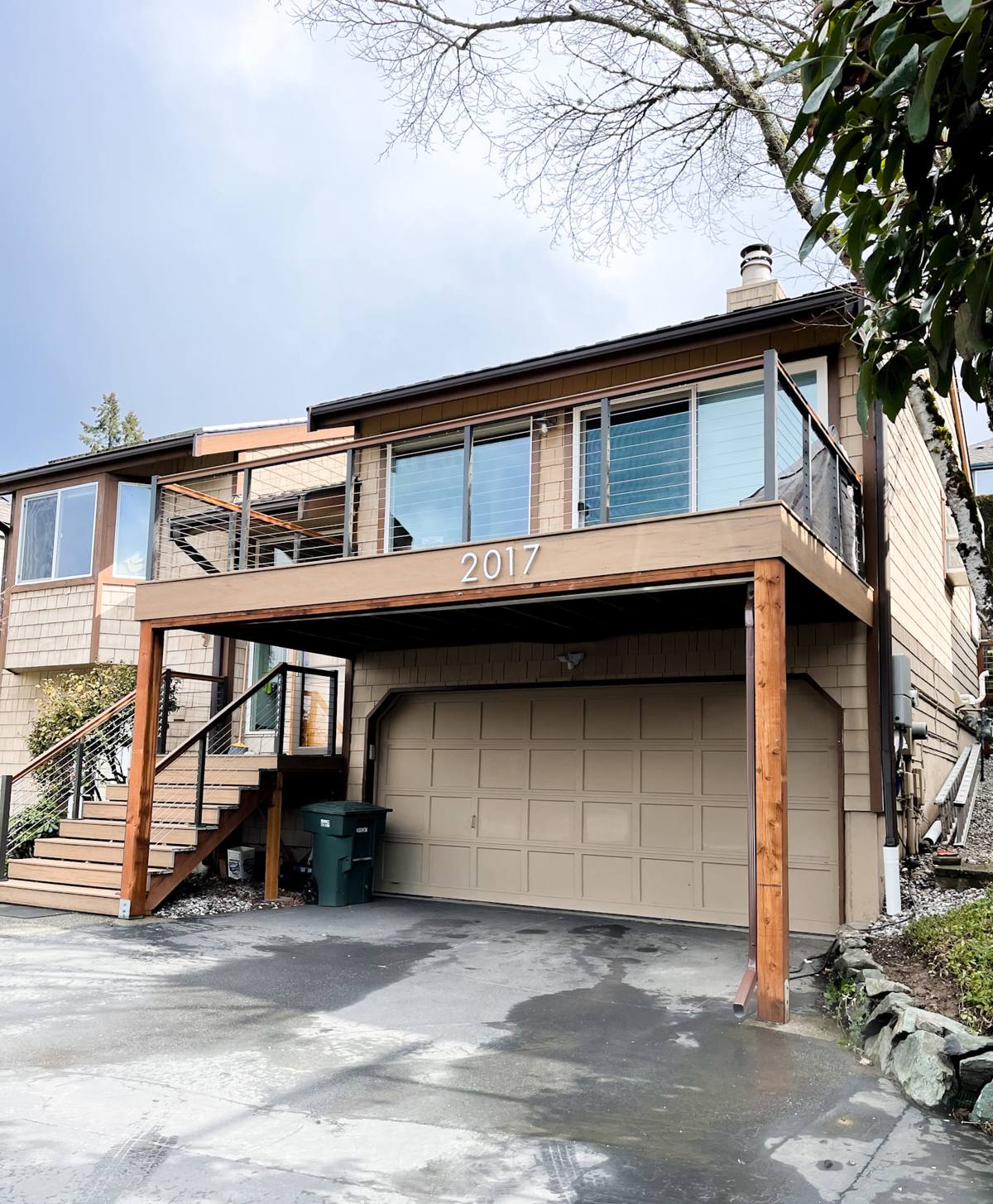
Why Local Decks Fail: The Climate Factors
Moisture That Never Fully Leaves
Seattle's rain isn't just frequent, it's often fine and lingering, which means it works its way into every joint, screw hole, and board gap rather than running off quickly. Wood decking, ledger boards, and framing lumber that stay damp for days at a stretch are exactly what wood rot fungi need to get established.
Moss and Algae Buildup
Shaded, moisture-retentive surfaces in this part of King County grow moss and algae readily. Beyond looking bad, a moss mat on a deck surface holds water against the wood constantly and can make boards slick and genuinely unsafe underfoot, especially on stairs.
Salt Air and Metal Fasteners
Homes closer to the water pick up trace salt in the air, which speeds up corrosion on nails, screws, and metal connectors. Corroded fasteners lose grip strength long before the wood around them looks obviously damaged, which is part of why deck failures can catch homeowners off guard.
Freeze-Thaw Cycling
King County doesn't get deep winters, but it does get repeated short freezes. Water that's soaked into a crack or a fastener hole expands when it freezes, widening the damage a little more each cycle.
Signs a Deck Needs Repair, Not Just a Cleaning
Not every issue means a full rebuild, but it's worth knowing what points to a real structural problem versus routine maintenance.
- Soft, spongy, or springy spots when you walk across the decking
- A screwdriver or awl sinks easily into a board, post, or the ledger board where it's fine to test
- Visible gaps, cupping, or splitting boards, especially near fastener heads
- Rust streaking around screws or nail heads
- Any wobble in the guardrail when you push on it
- Stair stringers that flex or feel uneven underfoot
- Persistent green or black growth that comes back within weeks of cleaning
- Gaps opening up where the deck ledger meets the house
If you're seeing more than one or two of these, it's worth having someone look at the framing underneath, not just the visible decking.
What a Correct Deck Repair Actually Involves
A repair that only replaces the boards you can see, without checking what's underneath, is one of the most common ways deck problems get patched instead of fixed. A proper repair works from the structure outward.
1. Ledger Board and Ledger Connection
The ledger board — where the deck attaches to the house — is the single most important structural point on most decks, and it's also the part most exposed to water running off the house. We check the ledger for rot, confirm proper flashing is in place to keep water from tracking behind it, and verify the connection hardware meets current structural standards rather than just replacing what was there before.
2. Framing: Joists, Beams, and Posts
We inspect joists and beams for soft spots, especially at the ends and anywhere water tends to pool, and check posts at the base where they meet footings or concrete — a common rot point since that's where moisture sits longest. Damaged framing members get sistered or replaced, not just covered over.
3. Fasteners and Hardware
Corroded joist hangers, post bases, and screws get swapped for hardware rated for outdoor and, where relevant, coastal-air exposure. Mixing new lumber with old, corroded hardware is a shortcut that shows up as a problem again within a couple of seasons.
4. Decking Boards and Surface
Only after the structure underneath is sound do we address the decking surface itself — replacing damaged boards, resetting fastener patterns for proper drainage gaps, and matching material where a full re-decking isn't needed.
5. Guardrails and Stairs
Because these are the components most tied to safety, we test every rail and stringer under load, not just by eye. A rail that looks fine but isn't properly through-bolted into blocking is a liability we won't leave in place.
Moss, Algae, and Ongoing Surface Care
Structural repair solves the framing problems, but Columbia City's shaded, damp conditions mean moss and algae will come back on any bare wood surface without some ongoing care. We can advise on cleaning approaches that won't damage the wood fibers (aggressive pressure washing can actually open up grain and accelerate future water absorption), and where it makes sense, we'll point out spots where trimming back overhanging branches would meaningfully cut down on shade and debris buildup. This isn't something we push products for — it's mostly about airflow, drainage, and periodic cleaning done the right way.
Repair vs. Replacement: How We Help You Decide
Homeowners often aren't sure whether a deck is worth repairing or whether it's time to start over. It usually comes down to how much of the structure is still sound.
| Factor | Repair Likely Makes Sense | Replacement Worth Considering |
|---|---|---|
| Ledger board condition | Solid wood, minor surface wear | Widespread soft wood or rot at the house connection |
| Framing (joists/beams) | Isolated soft spots, otherwise sound | Rot in multiple joists or main beams |
| Posts and footings | Stable, no base rot or settling | Posts rotted at the base or footings shifting |
| Decking surface | Some boards worn, structure fine | Most boards cupped, splitting, or spongy |
| Deck age | Under 15-20 years, maintained | Older than 20-25 years with little upkeep |
| Design/code fit | Meets current safety needs | Undersized framing or outdated rail spacing |
Most decks we're called out to in this neighborhood fall somewhere in between — sound framing with a few problem areas — which is exactly the kind of job a targeted repair is built for.
How Our Deck Repair Process Works
- On-site inspection: We walk the deck, probe suspect areas, and check the structure from underneath wherever access allows — not just a visual pass from the top.
- Honest scope: You get a clear picture of what's failing, what's still sound, and what your realistic options are, including a straightforward repair-vs-replace recommendation.
- Written estimate: A defined scope of work and price range before anything is torn into, so there are no surprises mid-project.
- Repair work: Structural issues get addressed first — ledger, framing, posts, hardware — followed by decking, rails, and stairs as needed.
- Final check: We test rails and stairs under load and walk the deck with you before calling the job done.
Permits and Code Considerations in Seattle
Depending on the scope of work, deck repairs in Seattle and King County can fall under permit requirements, particularly for structural framing changes or guardrail modifications. Simple like-for-like board replacement usually doesn't trigger a permit, but ledger reattachment, post replacement, or rail rebuilds can. We'll flag when a job crosses that line so you're not caught off guard, and handle the permitting conversation as part of the scope rather than leaving you to sort it out.
Why Hiring a Crew That Knows Columbia City Matters
A deck repair crew that mostly works drier inland areas can miss things that are routine for anyone working King County's wetter, shadier neighborhoods week in and week out. Knowing which framing connections tend to rot first in this climate, how much drainage gap decking actually needs here versus a drier region, and which hardware holds up against the area's moisture and occasional salt air isn't guesswork — it's pattern recognition from doing this work locally, season after season. That's the difference between a repair that holds and one you're calling someone about again in two years.
Get a Free, No-Pressure Estimate
If your deck has soft spots, a wobbly rail, or moss that keeps coming back no matter how often you clean it, it's worth having it looked at before those issues spread further into the framing. Fill out the form below for a free estimate — we'll give you a straight answer on what's going on and what it would take to fix it right, with no pressure to do more than the job actually needs.