 Seattle
 Why Bellevue Roofs Wear Out Differently Than Roofs Inland
A roof in Bellevue isn't fighting the same battle as a roof in Spokane or Boise. Between Lake Washington on one side and Puget Sound weather rolling in from the west, Bellevue homes sit in a marine climate that stays damp for months at a time. Driving rain finds its way under loose or aging shingles, moisture-laden air keeps roof surfaces from ever fully drying out, and long stretches of overcast, mild weather create ideal conditions for moss and algae to take hold. None of this means a roof fails faster here out of nowhere — it means a roof that was installed correctly, with the right materials and ventilation, will hold up, and one that was installed to a lower standard will show problems years before it should.
New roof installation in this part of King County has to account for that reality from the first layer of underlayment to the last course of shingles. It's not about upgrading to something exotic — it's about not skipping the details that matter in a wet climate.
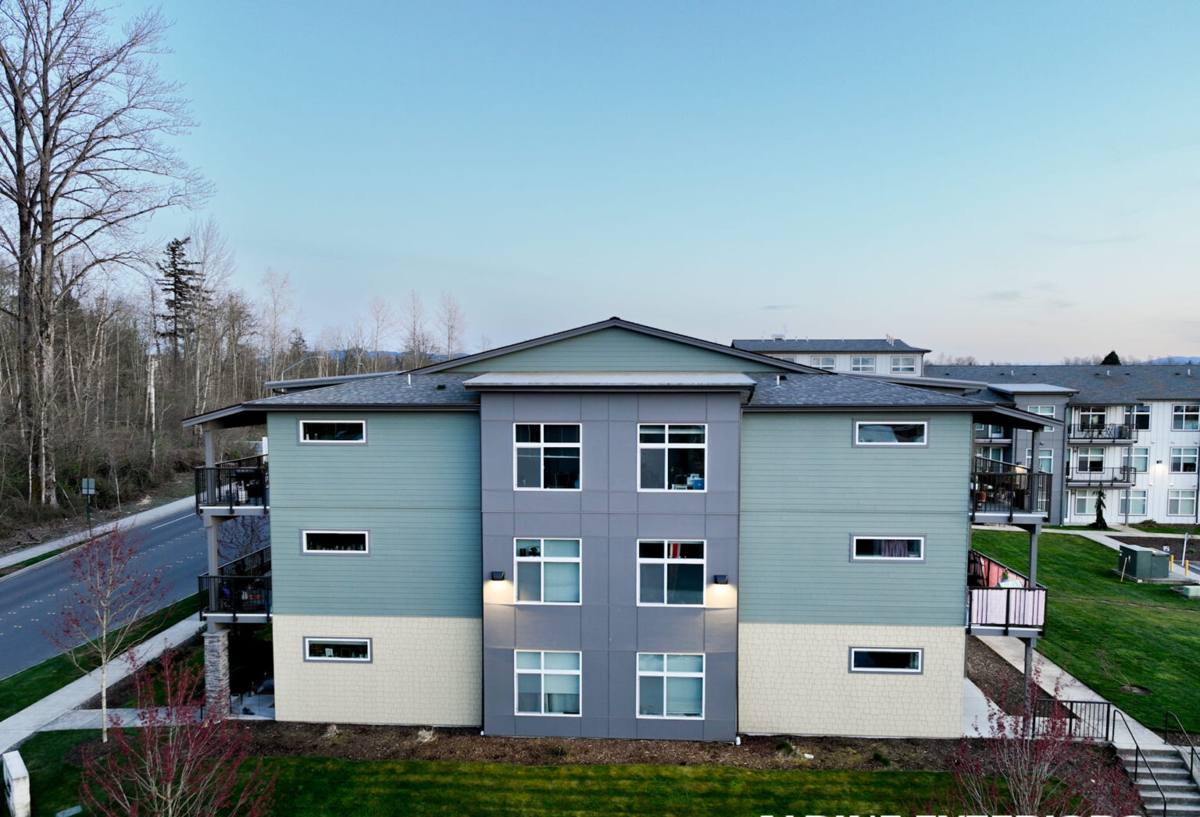
Signs a Bellevue Home Needs Replacement, Not Another Repair
Homeowners often ask us whether they really need a full new roof or if another round of patching will get them through another season. A few honest signs point toward replacement:
- Granules collecting in gutters or at downspout outlets, which means the shingle surface is wearing thin
- Shingles that are cupping, curling at the edges, or cracking when walked on
- Dark streaking or thick moss growth that keeps coming back within a season of cleaning
- Soft spots in the roof deck, or daylight visible through the attic at roof edges or valleys
- A roof that's already had two or more repair visits for leaks in different spots within a couple of years
- A roof approaching or past 20-25 years old for asphalt composition, regardless of appearance
If a roof is only showing one or two of these and is otherwise sound, targeted repair can still make sense. But once moisture has been getting underneath the roofing material for a while, patching becomes a temporary fix on top of a bigger problem, and that's when a full replacement is the more honest recommendation.
What a Correct New Roof Installation Actually Involves
A new roof is more than swapping out old shingles for new ones. In a climate that sees this much rain, the layers underneath the visible surface do most of the real work.
Tear-off and deck inspection
We remove the old roofing down to the deck rather than installing over it. That's the only way to actually see the condition of the sheathing underneath — soft, delaminated, or water-stained decking has to be replaced before anything new goes down, or the new roof is only as good as the rotten wood underneath it.
Ice and water shield at vulnerable areas
Valleys, eaves, and roof penetrations get a self-adhering waterproof membrane before the underlayment goes on. In a region where wind-driven rain can push water sideways and uphill under standard felt, this layer is what keeps that water from ever reaching the deck.
Synthetic underlayment across the field
We use synthetic underlayment rather than old-style felt paper across the full roof. It holds up better to the repeated wet-dry cycles common here and gives the deck a second line of defense if wind or debris ever compromises the shingle layer above it.
Proper flashing at every transition
Chimneys, skylights, sidewalls, and roof-to-wall transitions are where the majority of leaks actually start — almost never in the open field of the roof. New step flashing, counter-flashing, and pipe boots at every one of these points is not optional; it's the difference between a roof that leaks in year three and one that doesn't leak in year twenty.
Balanced attic ventilation
Intake at the eaves and exhaust at the ridge, sized to move air through the attic space, keeps moisture from condensing on the underside of the deck. Without it, trapped humidity can rot sheathing from underneath — a problem you won't see from the ground until it's serious.
Choosing a Roofing Material for This Climate
There's no single "best" roofing material — the right choice depends on budget, the home's architecture, and how much long-term maintenance an owner wants to take on. Here's how the common options compare for a marine, moss-prone climate like Bellevue's:
| Material | Typical Lifespan | Moss & Moisture Behavior | Relative Cost | Best Fit |
|---|---|---|---|---|
| Architectural asphalt shingle | 25-30 years | Good with algae-resistant granules and proper ventilation | $ | Most homes; best value for the climate |
| Standing seam metal | 40-50+ years | Sheds moisture and moss very well due to smooth, sloped surface | $$$ | Owners planning to stay long-term or wanting minimal moss upkeep |
| Cedar shake | 20-30 years with upkeep | Attractive but holds moisture in a wet climate; needs regular treatment | $$$ | Owners committed to ongoing maintenance for a traditional look |
| Concrete or clay tile | 40-50+ years | Very durable but heavy; requires structure rated for the load | $$$$ | Homes built or reinforced to carry the weight |
For most Bellevue homes, a quality architectural asphalt shingle with algae-resistant granules strikes the best balance of upfront cost, appearance, and performance against moss. We'll walk through the honest trade-offs for your specific home and roofline rather than pushing whatever carries the best margin — a steep, shaded roof with a heavy tree canopy behaves differently than an open, sun-exposed one, even on the same street.
How We Approach Moss and Long-Term Moisture Management
Moss doesn't just sit on top of a roof looking bad — its root structure holds moisture against the shingle surface and can lift edges over time, giving water a path underneath. A long moss season, which is the norm here for much of the year, means moss prevention has to be designed into the roof, not treated as an afterthought.
That starts with material choice — algae-resistant shingles are treated with copper or zinc granules that slow regrowth — and continues with keeping the roof properly ventilated so it dries out between rain events instead of staying damp. Zinc or copper strips near the ridge can also be installed to release trace metals with each rain, which helps suppress new moss growth across the whole slope over time. None of this eliminates the need for occasional gentle cleaning, but it significantly reduces how often that's necessary.
Our Installation Process, Start to Finish
- On-site assessment — we inspect the existing roof, attic, and ventilation, and take measurements for an accurate scope and estimate.
- Written proposal — a clear breakdown of materials, scope, and price before any work begins, with no vague allowances.
- Permitting — we pull the required permit through the applicable jurisdiction so the work is inspected and documented, not done off the books.
- Material delivery and site protection — landscaping, siding, and gutters are protected before tear-off starts.
- Tear-off and deck repair — old roofing removed, deck inspected, and any damaged sheathing replaced.
- Waterproofing and underlayment — ice and water shield at vulnerable areas, synthetic underlayment across the field.
- Flashing, shingles, and ventilation — installed in the sequence and fastening pattern the manufacturer requires to keep the warranty valid.
- Final cleanup and walkthrough — magnetic sweep for debris, gutter check, and a walkthrough so you know exactly what was done.
Permitting and Working Within King County Requirements
Reroofing in Bellevue requires a permit, and that permit exists for a reason — it means an inspector independently confirms the deck, flashing, and ventilation were done to code before the roof is closed up. A contractor who skips or avoids permitting isn't saving you money; they're removing the one check that protects you if something was done wrong. We handle permitting as a standard part of every reroof, coordinated with the relevant jurisdiction, so there's a documented record of the work if you ever need it — for a future sale, an insurance claim, or a warranty question.
Why a Crew That Already Works in Bellevue Matters
Roofing crews that mostly work drier climates tend to build to a drier climate's tolerances — looser flashing details, less attention to underlayment overlap, ventilation sized for a different set of assumptions. A crew that works Bellevue and the broader Seattle area regularly builds every roof assuming it will see driving rain and a long stretch of damp, mossy weather, because that's what actually happens here. That shows up in the small decisions: how flashing is lapped, how much ice and water shield goes down versus the minimum code requires, and how ventilation is balanced for a specific roofline rather than a generic rule of thumb. Local experience also means familiarity with the specific permitting process and inspection expectations in this part of King County, so the project doesn't stall waiting on paperwork nobody anticipated.
Checklist: What to Confirm Before You Sign a Roofing Contract
- Contractor is licensed and bonded to work in Washington State, and carries current liability insurance
- The proposal specifies exact materials, including shingle line and underlayment type — not just "30-year shingle"
- Tear-off to the deck is included, not an overlay on existing roofing
- Ice and water shield at valleys, eaves, and penetrations is called out specifically
- Ventilation is addressed as part of the scope, not left as-is by default
- A permit will be pulled and inspections scheduled as part of the job
- Warranty terms are in writing — both the material warranty and the workmanship warranty
- Payment schedule is reasonable, with no large upfront deposit before materials are ordered
Any reputable local contractor should be able to answer every one of these clearly and without hesitation. If a proposal is vague on any of them, that's worth asking about before signing anything.
If your roof is showing its age or you're just weighing options before it becomes an emergency, we're happy to take a look and give you a straightforward assessment — no pressure, no scare tactics. Use the form below to request a free estimate for your Bellevue home.